



Sony WH-1000XM6 vs Bose QuietComfort Ultra: Which ANC Headphones Actually Win?
Two headphone lineups have dominated the premium ANC conversation for years, and the rivalry between Sony’s WH-1000XM6 and Bose’s QuietComfort Ultra shows no sign of cooling. Both sit at the top of their respective company’s consumer audio stacks, both cost north of $300, and both make the same core promise: block out the world and deliver exceptional sound while doing it. The differences, though, run deeper than spec sheets suggest.
This comparison breaks down eight key categories where these headphones diverge in ways that actually matter for daily use – commuting, travel, remote work, and long listening sessions. Neither headphone is a clear loser, but depending on your priorities, one will suit you considerably better than the other.
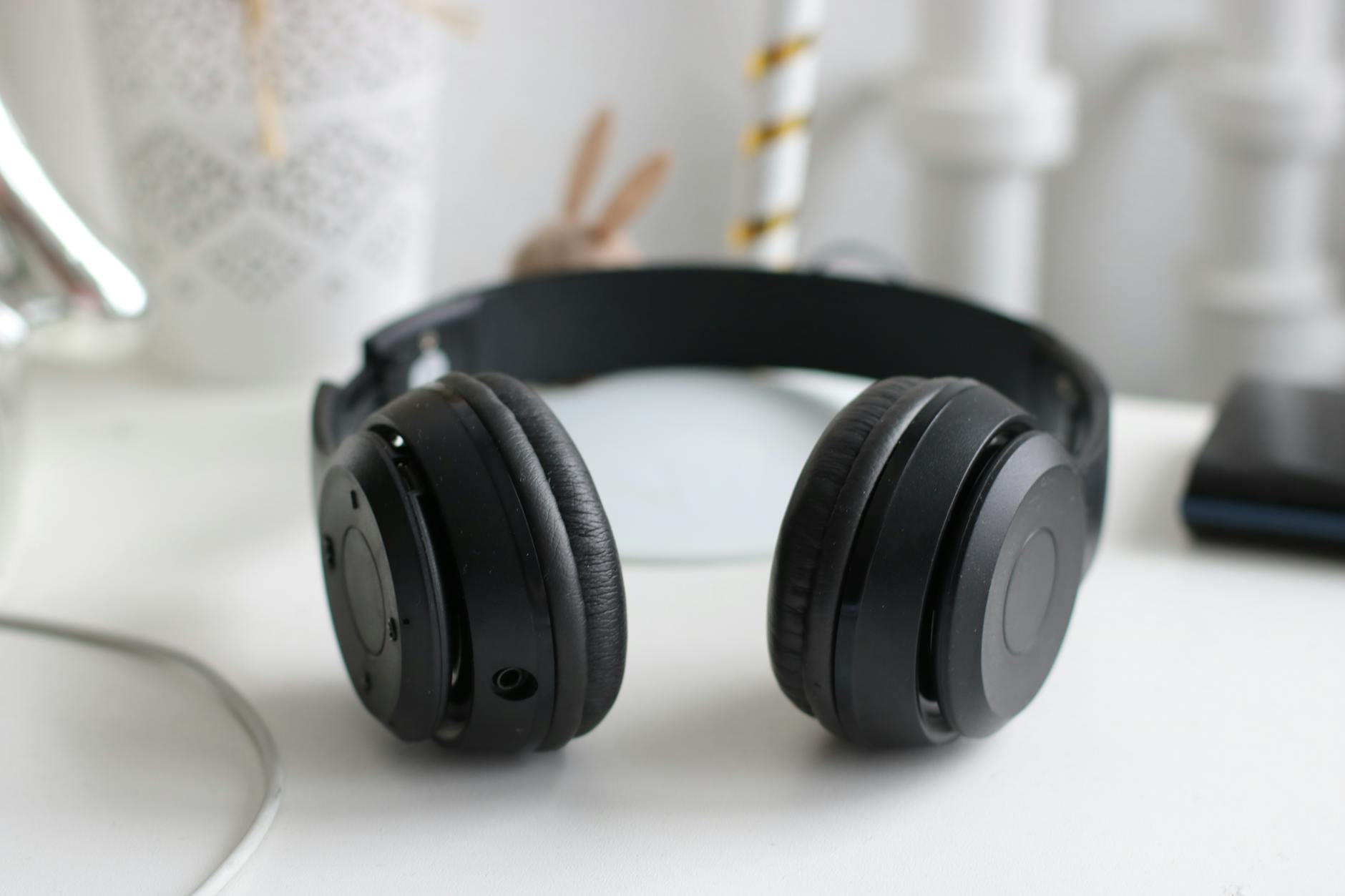
1. Active Noise Cancellation Performance
Sony’s WH-1000XM6 runs its QN3 processor, which analyzes ambient sound at a high sample rate and adjusts cancellation in near real time. The result is deep, pressure-free silence that handles low-frequency drone – airplane cabins, train carriages, HVAC systems – with a consistency that sets a benchmark for the category. Sony also added dual noise sensor microphones per ear cup, giving it more environmental data to work with compared to its predecessor.
Bose’s QuietComfort Ultra counters with CustomTune technology, which runs an acoustic calibration each time you put the headphones on. That personal adjustment means the ANC adapts to the shape of your ear canal specifically, rather than applying a universal cancellation profile. In practice, this makes the Bose particularly strong at handling mid-frequency noise – voices, office chatter, keyboard clatter – where Sony occasionally lets more bleed through.
For raw low-frequency cancellation on a long flight, Sony edges ahead. For office environments where voices are the primary nuisance, Bose’s personalized calibration gives it a meaningful advantage. Neither headphone will let in enough ambient noise to genuinely distract you, but the character of the silence differs.
2. Sound Quality and Audio Tuning
Sony tunes the WH-1000XM6 with a V-shaped profile that’s been refined over several generations – boosted bass, slightly recessed mids, and crisp highs. It’s an enjoyable consumer tuning that flatters most popular genres without sounding aggressively colored. The LDAC codec support is the headline feature here, allowing high-resolution Bluetooth streaming at up to 990kbps when paired with a compatible Android device. For listeners who store lossless audio files, that extra bandwidth is audible in instrument separation and spatial detail.
Bose takes a warmer, more balanced approach. The QuietComfort Ultra’s soundstage feels wider and more spacious, which suits acoustic, jazz, and classical recordings particularly well. It doesn’t reach the same technical ceiling as Sony’s LDAC playback at peak quality, but the Bose consistently sounds more natural on vocal-forward tracks. The difference between the two is most obvious in complex orchestral arrangements, where Bose’s imaging lets instruments breathe, and in hip-hop or EDM, where Sony’s bass presentation hits harder.
3. Immersive Audio and Spatial Sound
Bose built its QuietComfort Ultra around what it calls Immersive Audio – a head-tracking spatial mode that anchors sound to a fixed position relative to the room rather than moving with your head. It’s one of the more convincing implementations of spatial audio on headphones, and it works without needing a connected app after initial setup. The effect is less like surround sound processing and more like a genuinely wider listening space.
Sony’s response is 360 Reality Audio and DSEE Extreme, an AI upscaling feature that reconstructs high-frequency detail in compressed audio. Sony’s spatial audio features work well within the Sony Music ecosystem and certain streaming integrations, but the head-tracking implementation isn’t as polished as Bose’s. If immersive listening modes are a primary reason you’re spending $350-plus on headphones, the QuietComfort Ultra delivers a more refined experience out of the box.
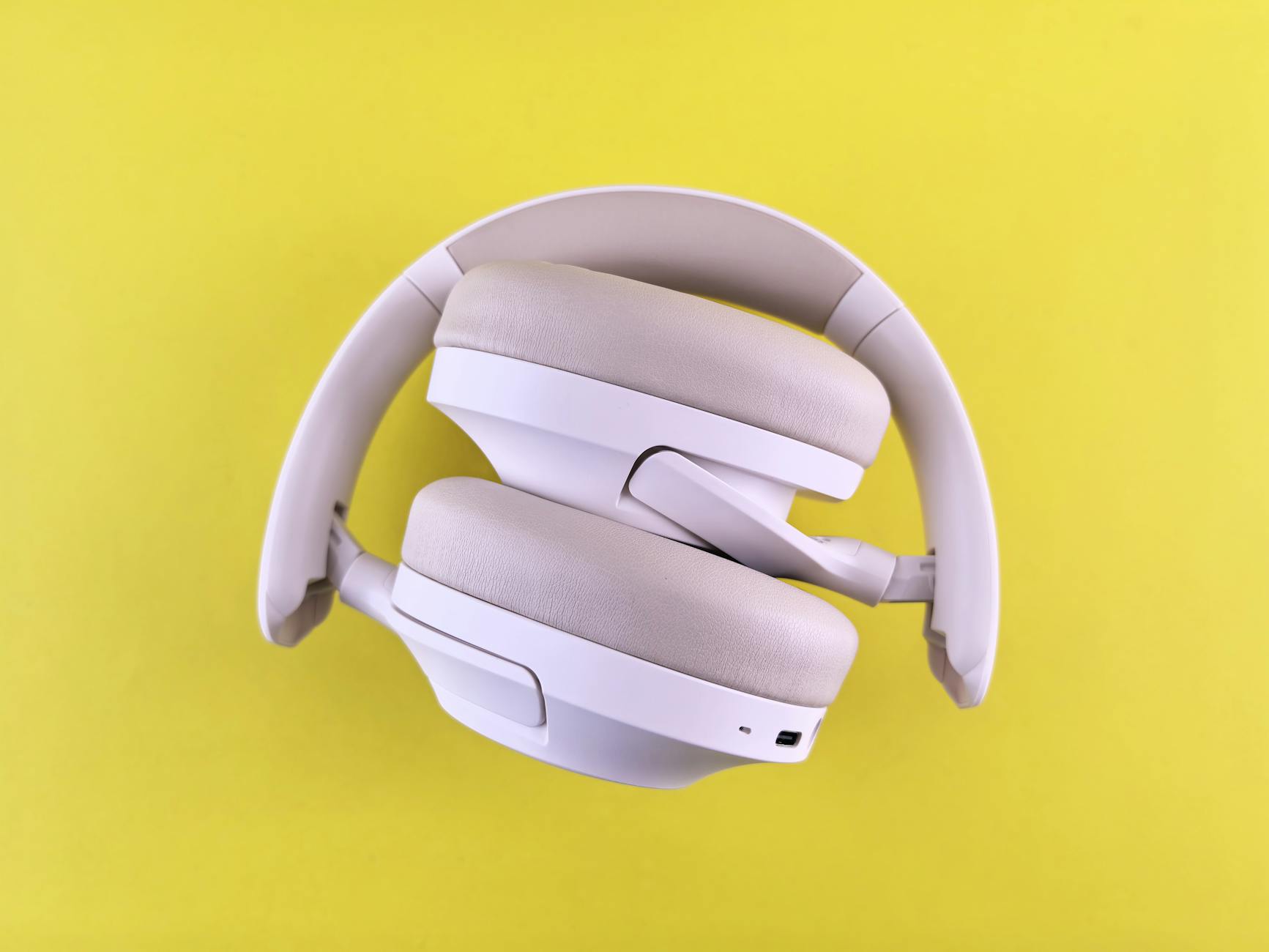
4. Comfort and Build Quality
The WH-1000XM6 is lighter than its predecessors and uses a redesigned headband with softer padding distribution. It’s still a plastic-forward build, which keeps weight down but gives it a less premium feel when held in hand. On the head, the clamping force is gentle enough for extended sessions without fatigue, and the ear cushions use a protein leather material that manages heat reasonably well.
Bose has always prioritized comfort, and the QuietComfort Ultra continues that tradition. The PlushCommp ear cushions are noticeably softer, the frame distributes pressure more evenly, and the overall fit feels more secure on different head shapes without increasing clamp force. For listeners who wear headphones for four or more hours at a stretch – on long-haul flights or full workdays – the Bose tends to win on comfort simply because it disappears on your head more completely.
Build quality goes to Bose on materials feel, but Sony’s design is more adjustable and may fit a wider range of head sizes without pressure points. Both headphones include folding mechanisms for travel storage, and both come with decent carrying cases.
5. Battery Life and Charging
Sony claims 30 hours of battery with ANC enabled on the WH-1000XM6, which in real-world use lands closer to 26-28 hours at moderate volume. A quick charge feature delivers roughly 3 hours of playback from a 3-minute charge, which is a legitimate convenience for travelers who habitually forget to plug in. The headphones charge via USB-C.
Bose rates the QuietComfort Ultra at 24 hours with ANC on, dropping slightly when Immersive Audio mode is active. That’s a meaningful gap in favor of Sony for anyone regularly spending time on long-haul flights or long commutes where charging access is limited. Bose also offers quick charge, adding around 2.5 hours from a 15-minute top-up. For battery-conscious buyers, Sony’s lead here is consistent enough to factor into the decision.
6. App Features and Customization
Sony’s Headphones Connect app is among the most feature-dense in consumer audio. It provides granular EQ control, Speak-to-Chat settings, Ambient Sound mode adjustment, auto-pause sensitivity, and adaptive sound controls that shift ANC profiles based on detected activity – walking, sitting, commuting. For users who like to fine-tune their audio experience, the depth of options is genuinely useful rather than overwhelming.
Bose’s app is cleaner and more approachable but offers less customization. You get a basic EQ, shortcut remapping for the action button, and Immersive Audio controls. The CustomTune calibration runs automatically and isn’t something you adjust manually. Bose’s philosophy is clearly “set it and forget it,” which works well for listeners who want great sound without managing settings. Power users will find Sony’s ecosystem more accommodating.
7. Call Quality and Microphone Performance
Call quality has historically been a weakness across premium ANC headphones, and neither of these is a professional headset replacement. That said, the WH-1000XM6 improved its microphone array significantly with its current generation. Voice pickup is clean in quiet environments, and wind noise rejection holds up on outdoor calls better than most competitors in this range.
Bose performs comparably on calls in controlled indoor settings, but its microphone placement and beamforming processing are slightly less aggressive at rejecting background noise in louder environments. In a busy coffee shop or near street traffic, call recipients will notice more ambient bleed on the Bose than on the Sony. For remote workers who take back-to-back calls, this distinction is worth weighing seriously.
8. Price, Value, and Who Should Buy Which
Both headphones typically retail around $349-$379 at launch, which places them in the same purchase decision for most buyers. Sony’s WH-1000XM6 delivers better battery life, stronger low-frequency ANC, LDAC high-res audio support, and deeper app customization. It’s the stronger technical specification at equivalent price. Bose’s QuietComfort Ultra counters with superior comfort for extended wear, more convincing spatial audio, better mid-frequency noise cancellation, and a more natural sound tuning that many listeners find easier to enjoy across genres without adjusting EQ settings.
The practical split looks like this: frequent flyers and remote workers who spend full days wearing headphones will likely prefer the Bose for comfort and voice noise handling. Audiophiles, Android users with LDAC-compatible devices, and anyone who prioritizes long battery life should lean toward the Sony. There is no wrong choice at this tier – but there is likely a correct choice for your specific use case.

One detail worth sitting with: Bose’s Immersive Audio mode is currently only available on the QuietComfort Ultra within the Bose headphone lineup, and Sony’s LDAC advantage disappears entirely for iPhone users, since iOS doesn’t support the codec. Platform and ecosystem compatibility can quietly determine which headphone actually performs better in your hands – regardless of how the spec comparison reads on paper.