



Content creators face a crucial decision when upgrading their workstations: choosing between NVIDIA’s latest RTX 5080 and AMD’s RX 8800 XT. Both graphics cards promise significant performance improvements for video editing, 3D rendering, and streaming workflows, but they excel in different areas that could make or break your creative projects.
The battle between these flagship GPUs extends beyond raw gaming performance into the specialized demands of professional content creation. While both manufacturers have invested heavily in creator-focused features, understanding their strengths and limitations will help determine which card deserves a place in your production setup.
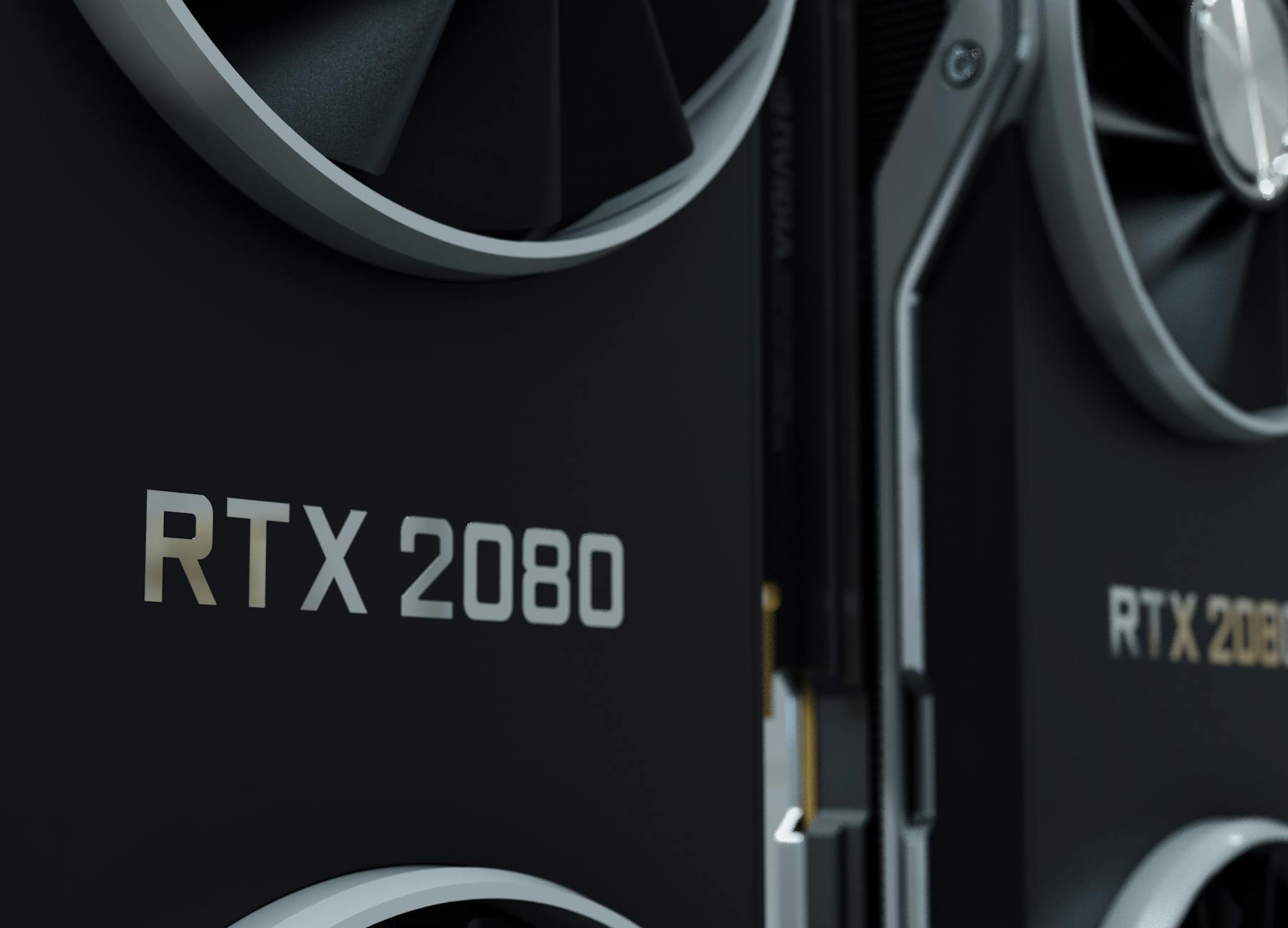
1. Rendering Performance and CUDA Acceleration
NVIDIA’s RTX 5080 maintains its traditional advantage in professional rendering applications through CUDA acceleration. Most industry-standard software including Adobe Premiere Pro, DaVinci Resolve, and Blender heavily optimize for NVIDIA’s architecture. The RTX 5080 delivers consistently faster export times for complex video projects and 3D scenes compared to AMD alternatives.
The card’s enhanced RT cores provide substantial improvements for ray-traced rendering in applications like Cinema 4D and Blender Cycles. Content creators working with architectural visualization, product renders, or complex lighting scenarios will appreciate the time savings. However, this advantage comes with higher power consumption and heat generation that requires robust cooling solutions.
AMD’s RX 8800 XT offers competitive rendering performance through OpenCL optimization, though it trails NVIDIA in most professional benchmarks. The card excels in compute-heavy tasks that don’t rely on CUDA, making it viable for creators who primarily work with AMD-optimized software or open-source alternatives.
2. Video Encoding and Streaming Capabilities
Both GPUs include dedicated hardware encoders, but they target different streaming workflows. NVIDIA’s RTX 5080 features dual AV1 encoders alongside improved NVENC H.264 and HEVC encoding. This configuration proves invaluable for content creators who simultaneously stream to multiple platforms or need to generate various quality streams for different audiences.
The RTX 5080’s NVENC encoder maintains superior quality-to-bitrate ratios compared to software encoding, particularly beneficial for streamers with limited upload bandwidth. The hardware acceleration also reduces CPU load during streaming, allowing for smoother multitasking between streaming software, chat management, and gameplay.
AMD’s RX 8800 XT includes updated encoding hardware with improved AV1 support, though it generally produces slightly larger file sizes at equivalent quality levels. The card’s encoding performance suits most streaming scenarios adequately, but NVIDIA maintains an edge for professional streaming setups requiring maximum efficiency.
3. Memory Configuration and Bandwidth
The memory subsystem represents a critical differentiator for content creation workloads. NVIDIA’s RTX 5080 typically ships with substantial GDDR6X memory paired with a wide memory bus, providing excellent bandwidth for high-resolution video editing and large texture work. This configuration handles 4K and 8K footage editing without the stuttering issues that plague cards with insufficient VRAM.
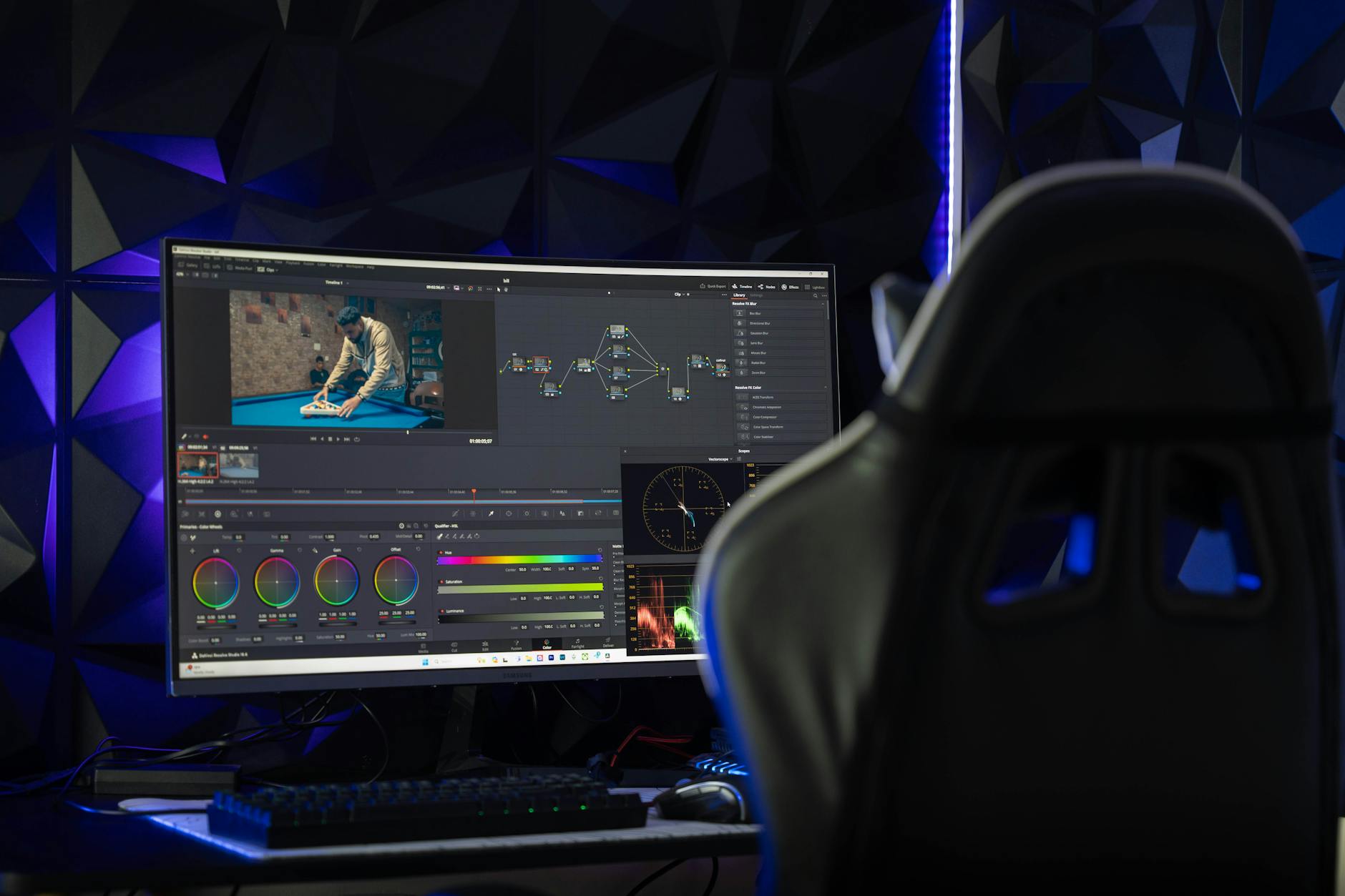
Large memory capacity becomes essential when working with RAW video formats, complex After Effects compositions, or detailed 3D scenes. The RTX 5080’s memory configuration allows creators to maintain multiple high-resolution timelines simultaneously without performance degradation. This capability proves particularly valuable for multi-camera editing or creating content with extensive visual effects layers.
AMD’s RX 8800 XT offers competitive memory specifications, though the exact configuration varies by manufacturer. The card’s memory bandwidth generally matches or exceeds the RTX 5080 in synthetic benchmarks, translating to smooth performance in memory-intensive creative applications. Both cards provide sufficient memory for most professional workflows, with differences primarily appearing in extreme use cases.
4. Software Ecosystem and Professional Tools
NVIDIA’s software ecosystem provides significant advantages for professional content creators. NVIDIA Studio drivers offer optimized performance and stability for creative applications, with regular updates timed to major software releases. The company’s Omniverse platform enables collaborative workflows across different creative applications, particularly valuable for teams working on complex projects.
Additional NVIDIA technologies like DLSS can accelerate preview rendering in supported applications, allowing creators to work with higher quality previews without sacrificing real-time performance. The RTX 5080’s AI acceleration capabilities extend to emerging creative tools that leverage machine learning for tasks like automated rotoscoping, noise reduction, and upscaling.
AMD provides solid driver support for content creation applications, though it lacks the comprehensive professional ecosystem that NVIDIA has developed. The RX 8800 XT performs well in standard creative workflows but misses some of the specialized features that distinguish professional from enthusiast graphics cards. For creators heavily invested in specific software ecosystems, this difference can significantly impact daily workflows.
5. Power Efficiency and Thermal Management
Power consumption directly impacts workstation design and operating costs, particularly important for creators running intensive rendering jobs. The RTX 5080 generally consumes more power than the RX 8800 XT, requiring robust power supplies and potentially impacting electricity costs for professional studios running multiple workstations.
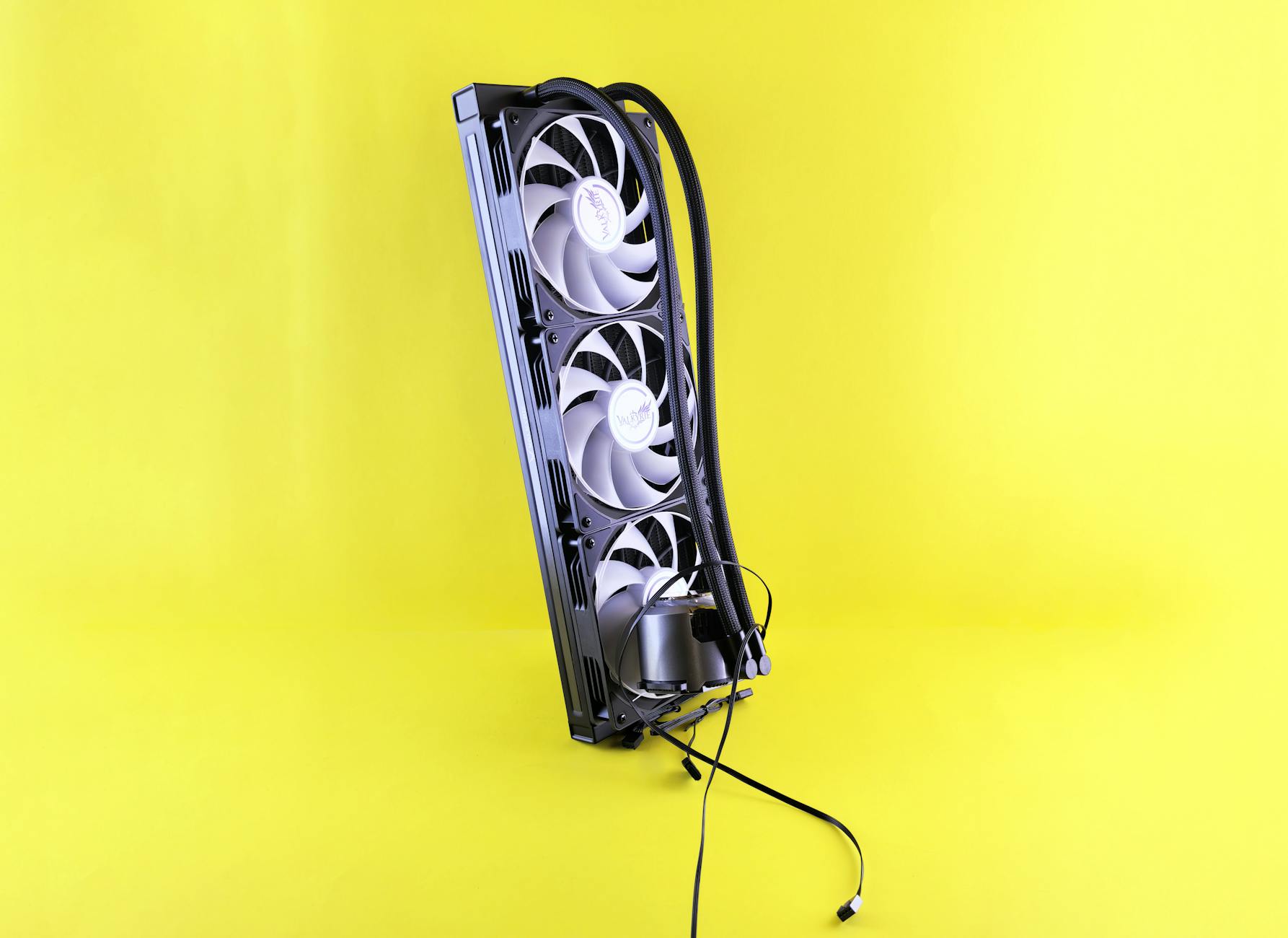
Thermal management becomes crucial during extended rendering sessions that push graphics cards to maximum utilization for hours. Both cards require adequate cooling solutions, but the RTX 5080’s higher power draw often necessitates more aggressive fan curves or custom cooling loops. This consideration affects both workstation noise levels and component longevity.
AMD’s RX 8800 XT typically offers better performance-per-watt ratios, making it attractive for compact workstation builds or environments where power consumption matters. The card’s thermal characteristics allow for quieter operation in many scenarios, though peak performance may be similar to the RTX 5080 depending on cooling implementation.
6. Price-to-Performance Value
The value equation between these GPUs depends heavily on specific use cases and software preferences. NVIDIA’s RTX 5080 commands a premium price but justifies the cost through superior performance in CUDA-optimized applications and comprehensive professional features. For creators whose workflows rely on NVIDIA-specific technologies, the performance advantages often justify the higher initial investment.
AMD’s RX 8800 XT typically offers more competitive pricing while delivering solid performance across most creative applications. The card represents excellent value for creators who don’t require NVIDIA-specific features or work primarily with applications that perform well on AMD hardware. Budget-conscious creators can achieve professional results while allocating more resources to other workstation components.
Long-term value considerations include driver support longevity, resale value, and compatibility with emerging creative technologies. NVIDIA’s established position in professional markets generally provides better long-term support, while AMD cards may depreciate more quickly despite initial price advantages.
The choice between NVIDIA’s RTX 5080 and AMD’s RX 8800 XT ultimately depends on your specific creative workflow and software requirements. NVIDIA maintains clear advantages for CUDA-dependent applications and professional streaming, while AMD offers competitive performance at better price points. Consider your primary applications, budget constraints, and long-term creative goals when making this significant workstation investment.
Frequently Asked Questions
Which GPU is better for video editing?
NVIDIA RTX 5080 generally performs better in Adobe Premiere Pro and DaVinci Resolve due to CUDA acceleration and superior NVENC encoding.
Does the RX 8800 XT offer better value than RTX 5080?
AMD RX 8800 XT typically costs less while delivering competitive performance, making it better value for budget-conscious creators.