


Overview
Most phones look like each other, and Nothing built a business on refusing to. The Phone (3) is the company’s most expensive attempt yet, and it comes with a sharper question than any of its predecessors: is a distinctive design enough to justify a flagship-adjacent price?
At launch the Phone (3) starts at $799 for the 12GB/256GB model, with a 16GB/512GB version above that. That puts it in direct conversation with the established names in the premium Android space, a neighborhood where Nothing has never had to compete on price before. The earlier Phone (1) and Phone (2) won attention by being interesting and affordable. This one is interesting and not affordable, which changes how every compromise gets judged.
The headline change is the back panel. The Glyph light strips that defined earlier models are gone, replaced by the Glyph Matrix, a small dot-matrix display of 489 LEDs tucked into the upper corner. It shows battery levels, notifications, a mirror-style preview for selfies, and small games called Glyph Toys. The rest of the package includes a 6.67-inch AMOLED screen with a 120Hz refresh rate, an aluminum frame, IP68 water and dust resistance, a 5,500mAh silicon-carbon battery, and three 50MP rear cameras covering main, ultrawide, and 3x periscope telephoto duty.
The processor is the sticking point. Instead of Qualcomm’s top-tier chip, Nothing went with the Snapdragon 8s Gen 4, a step below the best silicon available. Whether that matters depends on what you do with your phone, and how you feel about paying $799 for it.
Design and Glyph Matrix
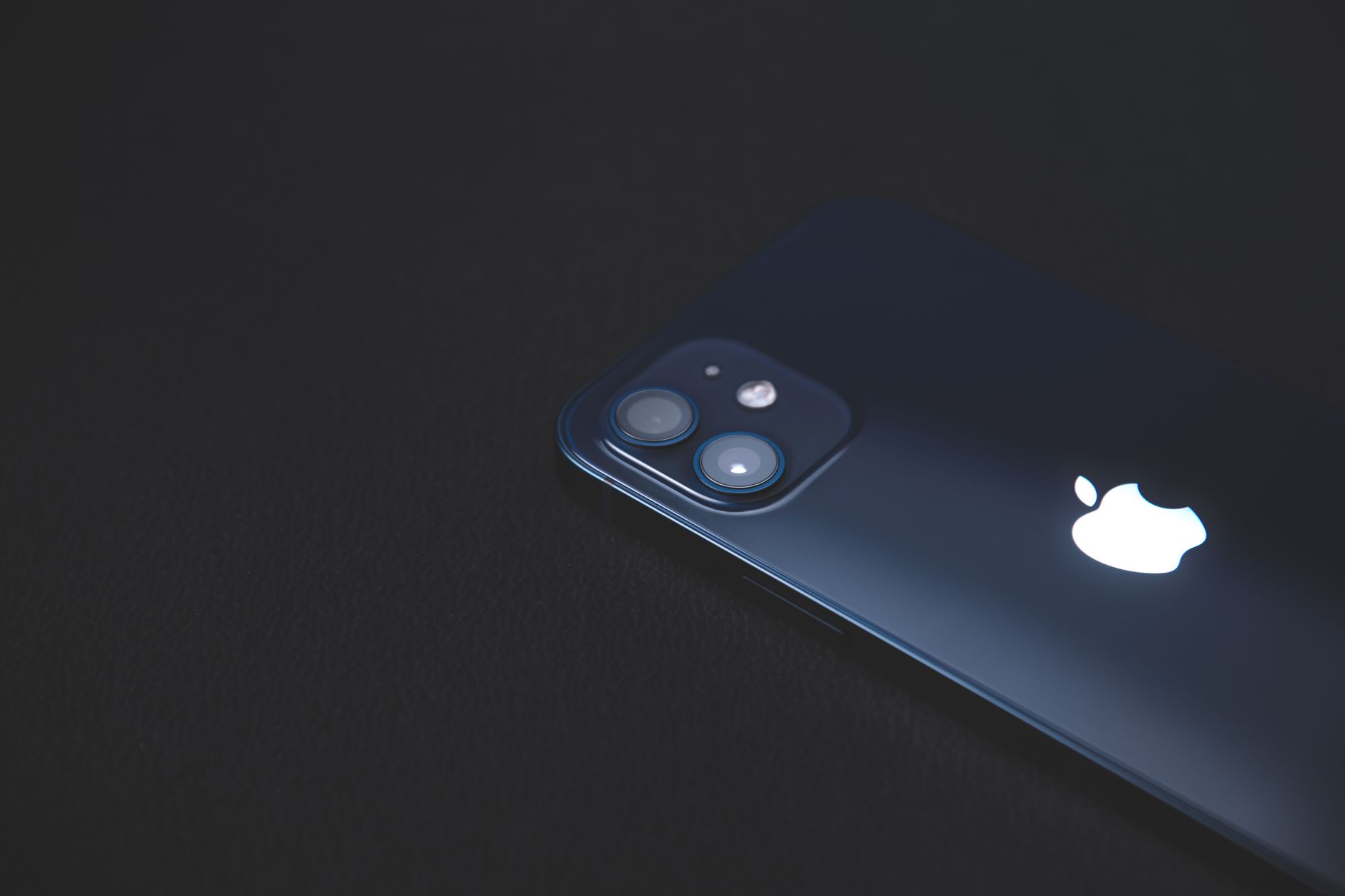
Nothing’s earlier phones leaned on transparency. The Phone (3) keeps the industrial, exposed-hardware mood but trades the see-through novelty for something more graphic. The back is a mix of matte glass and printed detail, with the Glyph Matrix sitting off-center like a tiny status screen. It is polarizing in photos and, in practice, surprisingly easy to live with.
The Glyph Matrix is the kind of feature that sounds like a gimmick and then earns a few genuine uses. A glanceable battery readout when the phone is face-down on a desk is useful. Seeing who is calling without flipping the phone over is useful. The Glyph Toys, such as a digital magic 8 ball or a spin-the-bottle game, are charming for a day and then mostly ignored. The selfie mirror, which lets you frame shots with the rear cameras by looking at the back display, is the one that stays relevant.
Build quality is a clear step up from the brand’s earlier work. The aluminum frame feels dense, the glass panels are cleanly finished, and the IP68 rating finally puts Nothing level with the major flagships on durability.
Pros
A design nobody else is shipping
Put the Phone (3) next to any rival at this price and the difference is immediate. The Glyph Matrix gives the back of the phone a purpose beyond branding, and the overall look has a point of view. In a category where “premium” usually means a slab with a camera bump, that matters to a specific kind of buyer.
Software that gets out of the way
Nothing OS remains one of the cleaner Android skins. The dot-matrix typography and monochrome icon style are consistent without being obstructive, and the interface avoids the preinstalled-app clutter common on other brands. The Essential Key, a dedicated button that captures screenshots, voice notes, or text into a searchable space called Essential Space, adds an AI-assisted memory layer that is more practical than most of the generative features phone makers are pushing. It will not change how you use the phone, but it is a good idea executed with restraint.
The update policy is also strong on paper: five years of Android OS updates and seven years of security patches. For a phone at this price, that is the sort of promise that makes the purchase easier to defend.
Battery and charging
The silicon-carbon cell is a notable upgrade. At 5,500mAh, it is larger than what most competitors fit into a phone of this size, and the 65W wired charging speed is quick. Wireless charging runs at 15W, and reverse wireless charging at 5W lets you top up earbuds or a watch in a pinch. Few phones in this tier carry this much capacity without becoming heavy, and that is a real everyday advantage.
A versatile camera setup
Three 50MP sensors is a sensible configuration. The main camera handles most work, the ultrawide covers group shots and interiors, and the 3x periscope telephoto gives portraits and distant subjects a natural look that a crop from the main sensor cannot match. A 50MP front camera rounds it out. Nothing has not historically been known for imaging excellence, but putting a periscope lens on the Phone (3) closes one of the biggest gaps in the lineup.
Cons
The chip does not match the price
This is the central argument against the phone. The Snapdragon 8s Gen 4 is fast enough for everyday apps, multitasking, and most games, and nothing about daily use should feel slow. But $799 phones from competitors commonly carry the top-tier chip from the same silicon generation, and that gap shows up in sustained gaming performance, long-term headroom, and resale value. Paying flagship money for a step-down processor is a hard sell, and no amount of design charm fully removes that tension.
It also raises an awkward question about the long update promise. Seven years of security patches are only valuable if the hardware stays usable for that long, and a midrange-leaning chip has less margin for the demands of future software.
Cameras are good, not class-leading
The hardware list looks strong, but image processing is where flagship rivals still hold an edge. Phones from Google and Samsung have spent years refining how they handle difficult lighting, skin tones, and video stabilization, and Nothing is still catching up on that tuning. If photography is the main reason you upgrade, the Phone (3) is a competent choice rather than the best one in its class.
The Glyph Matrix has limited depth
The novelty is real, but so is the ceiling. Outside of a handful of useful functions, the Glyph Toys are a short-lived diversion, and the display is hidden whenever the phone sits in a case. A case with a cutout helps, though it also covers up much of the design that justified the purchase. Third-party Glyph support will determine whether this becomes a platform or a party trick, and that is out of Nothing’s hands.
Price removes the old safety net
The Phone (1) and Phone (2) could be forgiven for rough edges because they were priced aggressively. At $799, the forgiveness window narrows. Buyers will compare it against phones with better chips, more polished cameras, and larger support networks, and carrier availability and in-store repair options are thinner than at the big brands.
Verdict
The Phone (3) is the best-built and most interesting phone Nothing has made, and also the hardest to recommend without conditions.
If you want a phone that looks and feels different, runs clean software, lasts through a long day, and will receive updates for years, it delivers on all of that. The Glyph Matrix gives the phone a personality, and the battery, build, and telephoto camera fix real weaknesses from earlier generations. For a buyer who values design and software cleanliness over benchmark charts, the Phone (3) is easy to like.
For everyone else, the value case is shaky. A $799 phone with a step-down processor and camera tuning that trails the leaders asks you to pay for personality, and personality is a subjective purchase. If your priorities are raw performance, camera consistency, or long-term resale value, a mainstream flagship at a similar price, or a previous-generation model on sale, is the safer choice.
Recommendation: buy it if the design is the reason you are looking at it. Skip it if you are cross-shopping on specs alone, because on spec sheets the Phone (3) does not win at this price.
The harder question is what happens at the next price cut. Nothing’s phones have a habit of looking much better once the launch premium fades, and a Phone (3) at a few hundred dollars less would be a very different argument.