


The workplace is undergoing a virtual revolution. Remote teams are collaborating in digital spaces, designers are sculpting in three dimensions, and meetings are happening in environments that exist only in code. Two tech giants are battling for dominance in the professional VR market, each offering vastly different approaches to immersive productivity.
Meta’s Quest platform has evolved from gaming-focused hardware into a serious business tool, while Apple’s Vision Pro continues pushing the boundaries of mixed reality computing. Both companies are reportedly developing next-generation headsets that could reshape how we think about virtual workspaces. Here’s how these upcoming powerhouses stack up for professional use.

1. Design and Comfort for Extended Work Sessions
Meta’s upcoming Quest headset maintains the company’s focus on lightweight, standalone design. Early reports suggest significant improvements to the head strap system and weight distribution, addressing one of the biggest complaints about extended VR use. The headset reportedly uses advanced materials to reduce overall weight while maintaining durability for daily office wear.
Apple’s approach with the next Vision Pro emphasizes premium build quality and ergonomic refinement. The company has reportedly been working on reducing the headset’s bulk while maintaining its signature aluminum and glass construction. Sources suggest Apple is focusing heavily on comfort improvements, recognizing that professional users need to wear headsets for hours at a time without fatigue.
The key difference lies in philosophy: Meta prioritizes accessibility and mass adoption, while Apple focuses on premium materials and precision engineering. For work environments where multiple employees need headsets, Meta’s approach may prove more practical. For individual professionals who demand the highest quality experience, Apple’s premium approach could justify the investment.
2. Display Technology and Visual Clarity
Visual fidelity makes or breaks the professional VR experience. Meta’s next-generation headset reportedly features significant improvements in resolution and refresh rates, building on the Quest 3’s already impressive display capabilities. The company has been investing heavily in pancake lens technology and improved pixel density to reduce the screen-door effect that can cause eye strain during extended use.
Apple’s Vision Pro successor is expected to maintain the company’s industry-leading display technology while potentially increasing field of view and reducing weight. The current Vision Pro already sets the standard for visual clarity in mixed reality, with its dual 4K displays providing unprecedented sharpness for text reading and detailed work.
For professionals working with CAD models, architectural visualization, or detailed design work, display quality directly impacts productivity. Apple currently holds the advantage in pure visual fidelity, but Meta’s improvements could close the gap significantly while offering better value for organizations outfitting entire teams.

3. Software Ecosystem and Professional Applications
Meta’s business strategy centers on creating an open ecosystem that encourages third-party development. The company has been actively courting enterprise software developers, with applications like Horizon Workrooms for virtual meetings and partnerships with productivity software companies. Meta’s approach allows for greater customization and integration with existing business workflows.
Apple’s Vision Pro platform leverages the company’s existing ecosystem of professional software, with applications from Adobe, Autodesk, and other industry leaders already optimized for the platform. The integration with Mac computers and iOS devices creates a seamless workflow for professionals already invested in Apple’s ecosystem. Apps like Freeform and specialized CAD applications showcase the platform’s potential for creative professionals.
The ecosystem battle extends beyond individual applications to platform openness. Meta’s more open approach encourages innovation and competitive pricing among software developers, while Apple’s curated ecosystem ensures quality and security but may limit options. For businesses with specific workflow requirements, Meta’s flexibility could prove advantageous.
4. Processing Power and Performance
Meta’s standalone approach means all processing happens within the headset itself, requiring careful balance between performance and battery life. The next Quest generation reportedly features significant improvements to the custom silicon, enabling more complex applications and better multitasking capabilities. This standalone design eliminates the need for external computers, simplifying setup and reducing costs.
Apple’s Vision Pro approach leverages both onboard processing and tight integration with Mac computers for demanding tasks. The M-series chip architecture provides desktop-class performance for professional applications, while the dedicated R1 chip handles sensor processing with minimal latency. This dual-chip approach enables more sophisticated applications but increases complexity and cost.
Performance requirements vary significantly by use case. Simple virtual meetings and document review work well on standalone systems, while complex 3D modeling or data visualization benefits from the additional processing power available through tethered systems. The choice depends on specific workflow requirements and infrastructure constraints.
5. Collaboration Features and Remote Work Integration
Virtual collaboration has become essential for modern businesses, and both platforms offer distinct approaches to team productivity. Meta’s Horizon Workrooms provides a comprehensive virtual office environment where team members can meet, share screens, and collaborate on projects. The platform integrates with popular business tools like Slack and Microsoft Teams, creating familiar workflows in virtual space.
Apple’s approach focuses on high-fidelity presence and seamless integration with existing Apple business tools. FaceTime calls in Vision Pro provide remarkably realistic representations of participants, while screen sharing and collaborative features work naturally with Mac and iPad workflows. The platform’s emphasis on mixed reality allows for blending virtual collaboration with physical workspace elements.
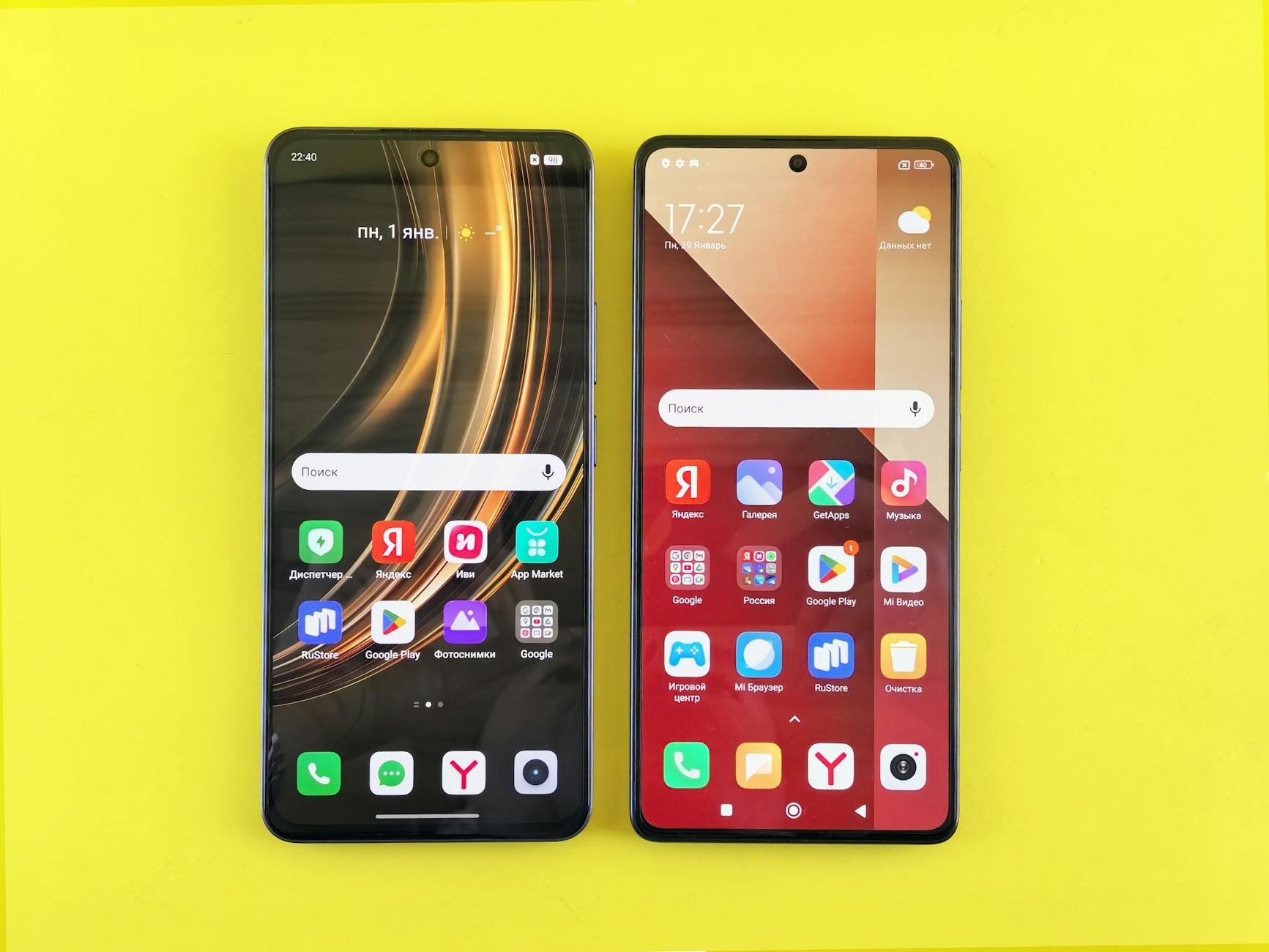
The collaboration advantage depends largely on existing infrastructure. Teams already using Mac computers and iOS devices may find Apple’s integrated approach more natural, while organizations seeking platform-agnostic solutions might prefer Meta’s broader compatibility. Much like choosing between different approaches to mobile productivity – as explored in comparisons of flagship smartphones – the decision often comes down to existing ecosystem investments.
6. Price and Total Cost of Ownership
Pricing strategy reveals each company’s target market and adoption philosophy. Meta typically positions Quest headsets as accessible entry points to VR, with business-focused features available through software upgrades and enterprise packages. This approach enables organizations to test VR workflows without massive upfront investments, scaling adoption based on proven benefits.
Apple’s premium pricing reflects the company’s focus on professional markets willing to pay for cutting-edge technology. The Vision Pro targets businesses and individuals who view VR as a critical productivity tool rather than an experimental technology. Higher upfront costs may be justified by superior performance and longer device lifecycles.
Total cost extends beyond hardware to include software licenses, training, and support. Meta’s open ecosystem often provides more competitive software pricing, while Apple’s integrated approach may reduce training and support costs through familiar interfaces and workflows. Organizations must evaluate both immediate costs and long-term value when making VR investments.
Both Meta and Apple are pushing virtual reality toward mainstream business adoption, but through markedly different strategies. Meta’s accessible, open approach makes VR experimentation feasible for more organizations, while Apple’s premium platform delivers uncompromising quality for demanding professional workflows. The choice ultimately depends on specific use cases, existing infrastructure, and organizational priorities.
As remote work continues evolving and spatial computing becomes more sophisticated, both platforms will likely find their places in the professional landscape. Early adopters may benefit from Apple’s cutting-edge capabilities, while cost-conscious organizations might find Meta’s approach more practical for widespread deployment. The VR workspace revolution is just beginning, and both companies are positioning themselves to lead this transformation.
Frequently Asked Questions
Which VR headset is better for business meetings?
Meta Quest offers more accessible collaboration tools while Apple Vision Pro provides higher-quality presence and seamless Mac integration.
Can VR headsets replace traditional monitors for work?
Current VR technology can supplement traditional displays for specific tasks but isn’t ready to fully replace monitors for all-day productivity work.