

Overview
Every flagship phone can run demanding games, yet few people want to play them on glass for two hours. Touch controls cover half the screen, the back of the phone heats up, and the battery drains faster than a coffee refill. The Ayaneo Pocket S is built around that frustration. It takes a Qualcomm chip designed specifically for handheld gaming, wraps it in a controller-first body, and runs Android instead of Windows.
That last choice defines the whole product. Android handhelds are cheaper to cool and easier on the battery than x86 devices, and they sip power when streaming games from a console or PC. They also lean on a library that includes native mobile titles, cloud services, and a deep catalog of emulators. The Pocket S sits at the premium end of that category, which makes the headline question harder than it looks: is it better than the phone already in your pocket, or just a more expensive way to hold one?
The hardware pitch is straightforward. The Snapdragon G3x Gen 2 is the same silicon family Qualcomm has aimed at dedicated gaming devices, paired here with a screen of roughly six inches and a body designed to feel more like a console controller than a slab. Ayaneo is known for Hall effect sticks, active cooling, and tight build quality, and the Pocket S follows that playbook. It does not make phone calls, so this is a gaming replacement question, not a communications one.
What “replace your phone for gaming” actually means
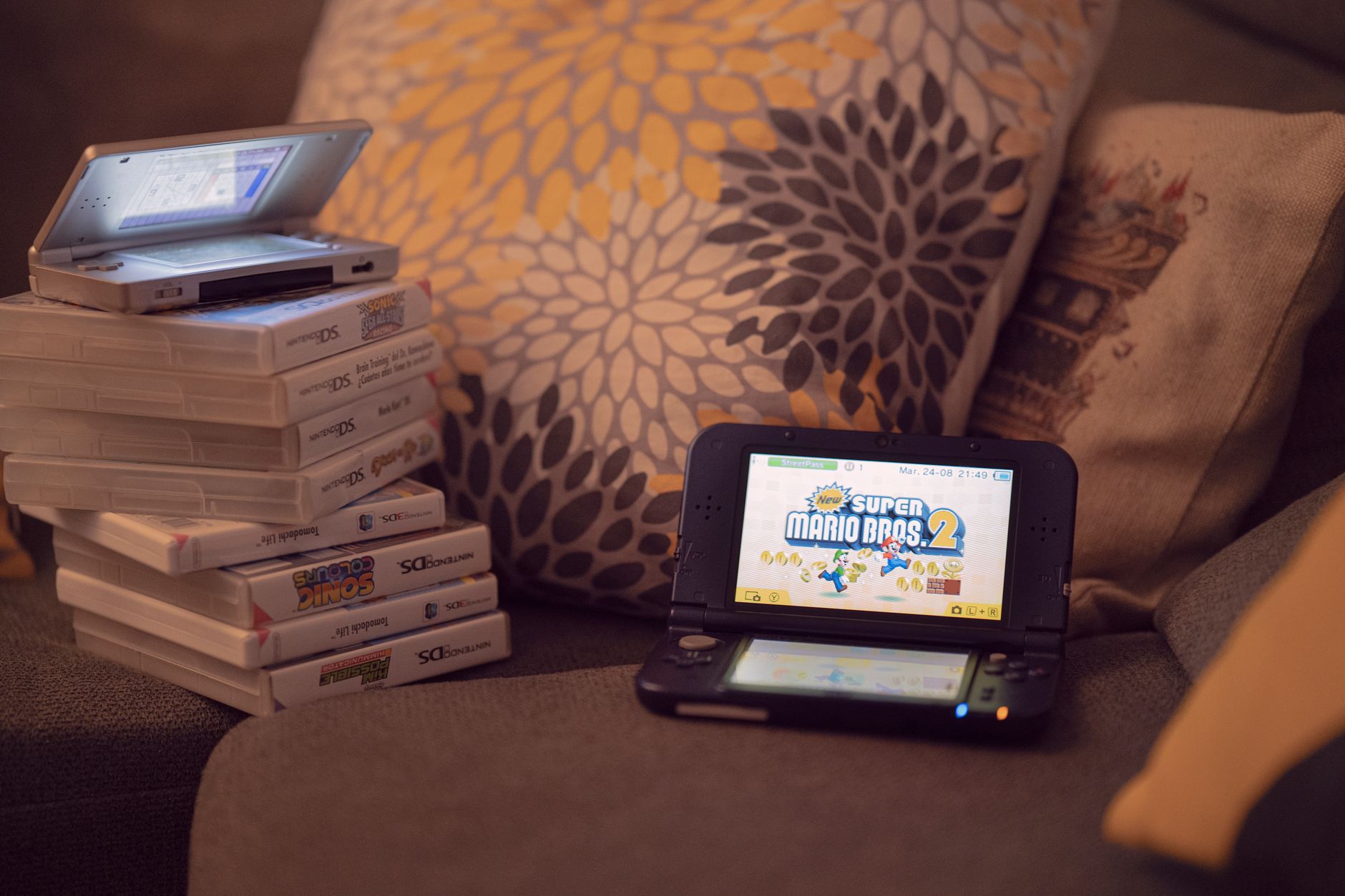
Three kinds of players are shopping here, and the Pocket S treats them very differently. The first plays mobile-native games like open-world action RPGs and competitive shooters. The second emulates older consoles, from handheld classics up through the PlayStation 2 and GameCube era and, with patience, some Switch titles. The third streams, pulling games from a home PC or a cloud service and using the device as a very good thin client.
A phone with a clip-on controller handles the first group passably. The Pocket S has more to offer the second and third groups, and that is where the price starts to make sense.
Pros
Controls that make a real difference
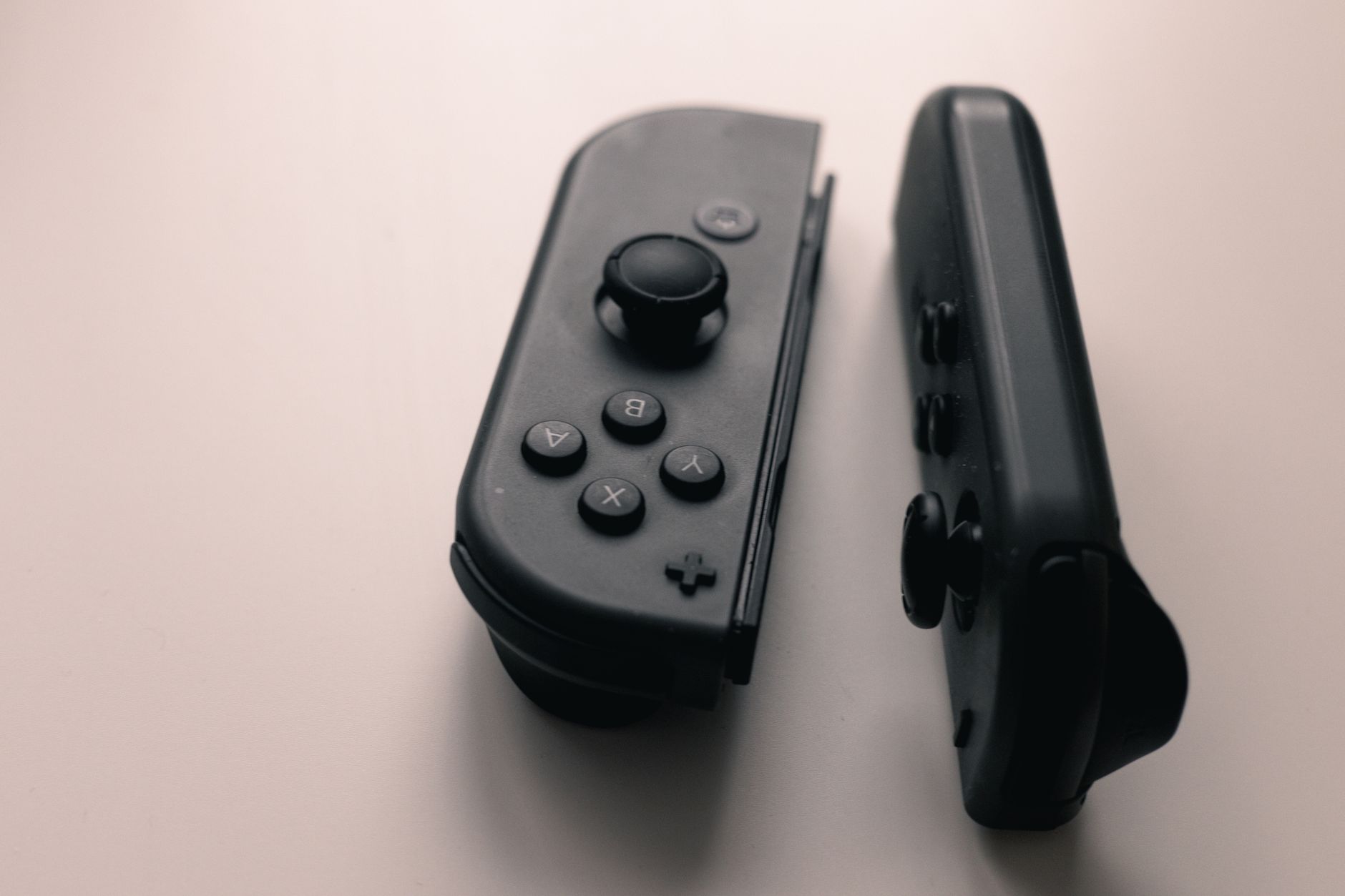
The case for a dedicated handheld starts with the sticks and triggers. Hall effect sticks avoid the drift that plagues conventional potentiometer designs over time, and the Pocket S pairs them with proper triggers and a full face-button layout. Playing a shooter or action game with physical inputs is not a marginal upgrade over touch overlays. It changes which games are playable at all.
Many Android games still ship with clumsy virtual stick layouts, and the ones with solid controller support feel like different products when played with real buttons. For anyone who has tried to land a precise platforming jump on a touchscreen, the difference is immediate.
Sustained performance beats peak performance
Phones are designed to sprint. They hit a high clock speed, then throttle once the chassis gets warm, because there is no fan and no room for one. A handheld with active cooling can hold a more consistent frame rate through a long session. The G3x Gen 2 is not the fastest chip Qualcomm makes, but a chip that runs at its rated speed for an hour often feels smoother than a faster one that backs off after fifteen minutes.
This matters most for emulation, where demanding titles push the CPU and GPU continuously and punish any dip in clocks.
A screen that suits gaming
An AMOLED panel at this size gives deep blacks and punchy color, which flatters everything from modern action games to pixel-art classics. The screen is large enough to read menus comfortably and small enough that the device stays portable. Unlike a phone, the display is not shared with notifications, calls, or the temptation to check messages mid-boss-fight.
Excellent for streaming
Remote play is the sleeper strength of any Android handheld. Apps for streaming from a gaming PC or console turn the Pocket S into a lightweight window onto a much more powerful machine. Because the device does little rendering itself, battery drain is gentle and the fan barely has to work. If you already own a gaming rig, this use case alone can justify the purchase. It also pairs naturally with the controller layout, since most streaming apps map physical buttons cleanly.
Open software
Android means you are not locked into a single storefront. Install what you want, sideload emulators, use a cloud gaming subscription, or run a custom frontend that gathers everything into one library. For tinkerers, that freedom is the point of owning one of these devices.
Cons
The price is hard to defend for casual players
The Pocket S costs considerably more than budget Android handhelds from Retroid and Anbernic, and more than a clip-on controller for a phone you already own. If your gaming habit is a couple of mobile titles on the commute, the math does not work. You are paying a premium for hardware that excels at tasks you may never attempt.
Android emulation is still a hobby, not an appliance
Emulation on Android has improved enormously, but it still involves hunting for the right settings, drivers, and per-game tweaks. One title runs perfectly out of the box, and another stutters until you change a graphics backend. The Pocket S has the hardware to handle a large library, but it cannot save you from the setup work. Players expecting a console-like plug-and-play experience will find themselves in forums more often than they would like.
It is a second device
This is the central weakness of the premise. A phone replacement implies one device doing everything, but the Pocket S cannot call, text, or serve as your daily navigation tool. You will carry it in addition to your phone, not instead of it. That makes the real comparison a phone plus a handheld versus a phone plus a clip-on controller, and the second option is far cheaper and lighter.
Battery life depends heavily on the workload
Streaming and light emulation are manageable, but heavy native 3D games and demanding emulation can drain the battery quickly, as with any handheld in this class. A device that sustains higher performance by definition pulls more power. Plan to bring a charger or power bank for long trips, and expect the fan to become audible under load.
Native Android games are a mixed bag
Plenty of popular mobile games either lack controller support or implement it badly. Some are designed around touch gestures that translate poorly to buttons. This is not Ayaneo’s fault, but it limits the value for players whose library is mostly mobile-native. Check whether your favorite games support controllers before spending this much money.
How it compares to the alternatives
The obvious rival is not another Android handheld but the PC-style devices that run full Windows or SteamOS. Our look at the Steam Deck OLED after two years covers that side of the market, where the tradeoff is a larger body and shorter battery life in return for access to a full PC game library. The Pocket S is smaller and cooler, but it cannot run Steam games natively.
Against cheaper Android handhelds, the Pocket S competes on build quality, cooling, and chip choice. Whether those are worth the price difference depends on how demanding your emulation targets are. Players sticking to older consoles can save money. Those chasing PlayStation 2, GameCube, or Switch-era performance will feel the gap.
Against a phone with a controller clip, the contest is about ergonomics and endurance. The clip is cheaper, lighter, and always with you. The Pocket S feels better for long sessions and never takes a call mid-run.
Verdict
The Ayaneo Pocket S is an excellent handheld and a poor phone replacement, and those are not contradictory statements. It is the right device for a specific player: someone who emulates seriously, streams from a home PC or console, or wants a controller-first Android experience with proper cooling. For that player, the build quality, the Hall effect sticks, and the sustained performance justify the premium.
For everyone else, the recommendation is simple. If you play mostly mobile-native games, buy a good clip-on controller and keep your money. If you already own a capable handheld and only want a bit more speed, the upgrade is hard to justify. The Pocket S does not replace your phone. It replaces the habit of squinting at an on-screen joystick and hoping your thumbs do not cover the action.
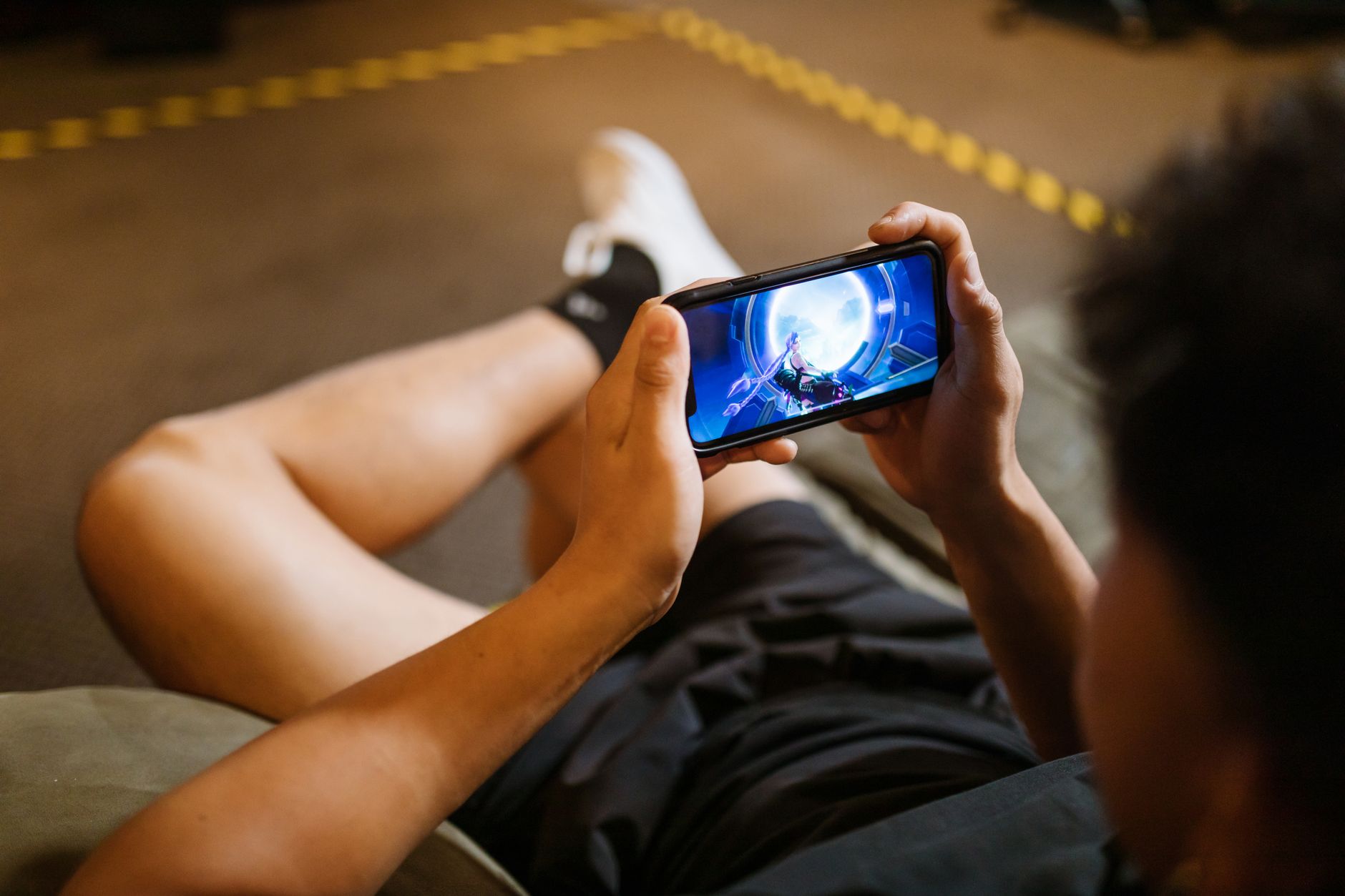
So the practical test is short: name the last three games you played on your phone, and check how many of them already support a controller.
Frequently Asked Questions
Can the Ayaneo Pocket S replace my phone?
No. It is built for gaming and does not handle calls or texts, so you will carry it alongside your phone, not instead of it.
What chip does the Ayaneo Pocket S use?
It uses Qualcomm’s Snapdragon G3x Gen 2, a chip family designed for dedicated gaming handhelds running Android.
Is the Ayaneo Pocket S good for emulation?
Yes, it has the hardware and cooling to handle a wide range of retro systems, though some setup and per-game tweaking is usually required.
Who should buy the Ayaneo Pocket S?
Serious emulation fans and players who stream games from a PC or console will get the most from it. Casual mobile gamers are better served by a cheaper controller clip.