



Overview
Every Pixel since the original Tensor chip has carried the same asterisk: excellent cameras and software, undermined by a processor that ran warmer and slower than its rivals. The Pixel 10 Pro is Google’s attempt to remove that asterisk. Tensor G5 is the first Tensor chip built by TSMC rather than Samsung, and it ends a manufacturing arrangement that shaped the series’ reputation for heat and uneven battery life.
That makes this phone a test of a single question. Does a better-made chip fix the Pixel’s most persistent complaint, or was the silicon never the whole problem?
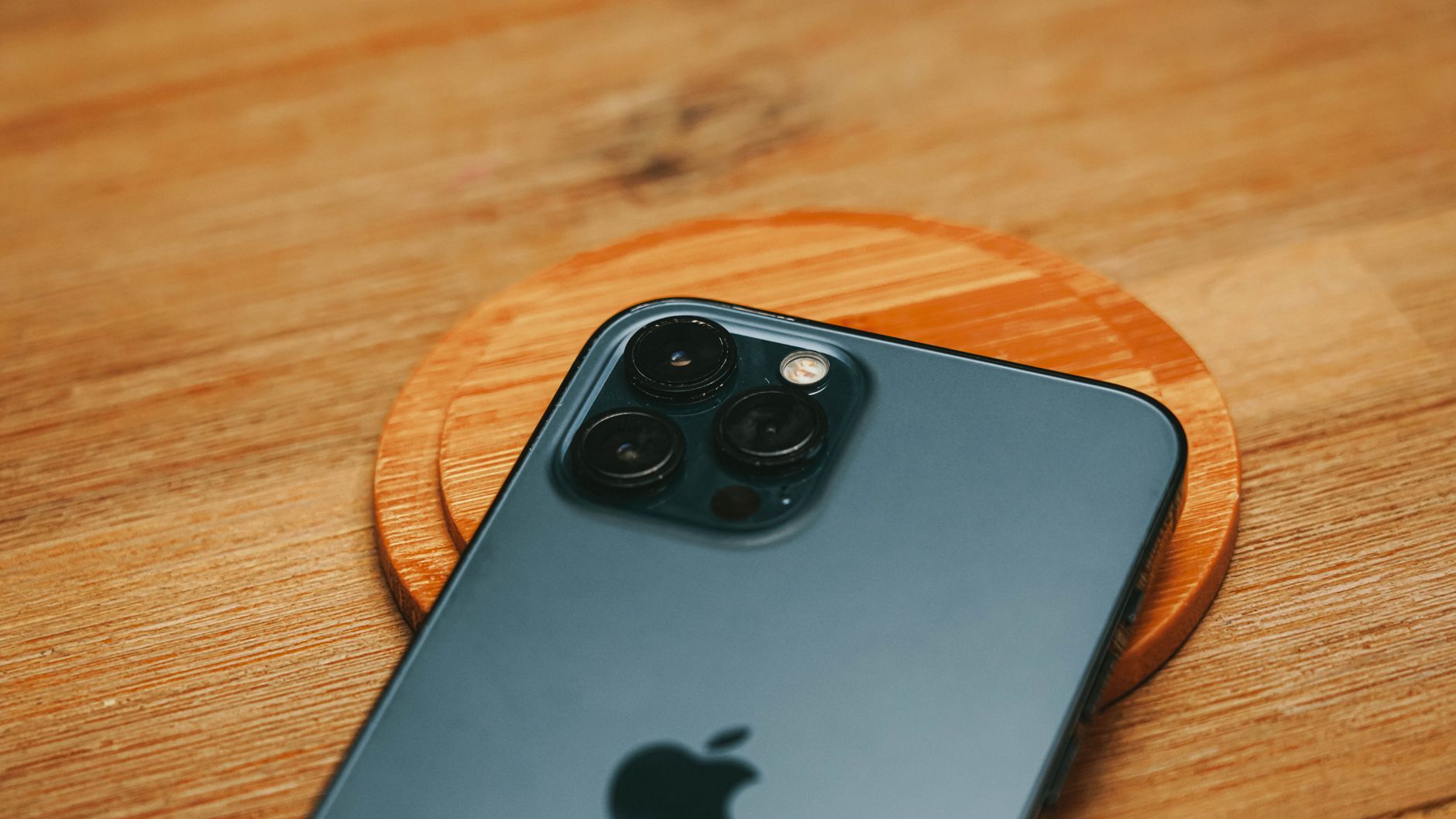
The hardware around the chip is familiar. The Pixel 10 Pro starts at $999 with a 6.3-inch LTPO OLED display, 16GB of RAM, and a triple rear camera made up of a 50MP main sensor, a 48MP ultrawide, and a 48MP 5x telephoto. The front camera is a 42MP unit. It ships with Android 16 and Google’s promise of seven years of OS and security updates. Larger Pro XL and foldable variants exist, but the standard Pro is the cleanest expression of what Google wants this generation to be.
Rather than lean on synthetic benchmark scores, which say little about how a phone like this feels, this review focuses on what the hardware choices mean in practice. Pixels have never won on spec sheets. They win or lose on whether the software holds together.
What Tensor G5 Actually Changes
The move to TSMC matters for physics, not marketing. A more mature manufacturing process generally means better efficiency at a given performance level, which translates into less heat under sustained load and more predictable battery drain. For a phone whose headline features run machine learning models constantly in the background, efficiency is the number that counts.
Google has also redesigned the chip around its AI ambitions. The TPU, the part that runs on-device models such as Gemini Nano, gets the most attention, and the logic is sound. Features that run locally are faster, work without a connection, and keep personal data off Google’s servers. A chip tuned for that workload makes more sense than one chasing peak CPU scores nobody will notice in a messaging app.
The tradeoff is that Google is not trying to win the traditional performance race, and it shows in where the company spends its transistor budget.
Pros
A Camera System That Plays to Google’s Strengths
Google’s image processing has long been the reason people buy Pixels, and the Pro keeps that advantage. The 5x telephoto is the most useful hardware in the system because it covers the range where people actually zoom: portraits at a distance, architecture, kids on a stage. Having a dedicated lens at that focal length means the software starts from real optical information instead of cropping and guessing.
Beyond that, Pro Res Zoom uses generative AI to push digital zoom far past what the optics can capture. The results should be treated as reconstructions, not records. Google pairs this with C2PA content credentials, which attach metadata indicating when AI has touched an image. That is a sensible move, and it acknowledges that a phone camera is now partly an image generator.
Efficiency Gains From the TSMC Switch
The practical win of the new chip is not speed but composure. A phone that stays cooler under load throttles less, charges more comfortably, and drains less during long camera sessions. Previous Pixels often felt like they were fighting their own silicon during extended video recording or navigation in warm weather. The Pro’s thermal behavior is the clearest sign that the manufacturing change was worth making, even if the gains are quieter than a benchmark chart would suggest.
Seven Years of Updates
Google’s update commitment is now as long as any in the Android world. Seven years of OS and security updates turns the $999 price into a long-term cost calculation. A phone that stays current into the early 2030s costs less per year than a cheaper one that is abandoned after three. This is the strongest argument for the Pro over many Android alternatives, and it speaks directly to buyers who keep phones until they break.
Qi2 Magnetic Charging Arrives
Pixelsnap brings Qi2-based magnetic wireless charging to the Pixel line. Magnets align the phone with the charger every time, which fixes the small annoyance of misaligned coils that made earlier wireless charging on Android fiddly. It also opens the door to a broader accessory ecosystem of mounts, wallets, and stands. It is a catch-up feature, but a welcome one.
A Display That Handles Daylight
The Pro’s OLED panel is bright enough to stay readable outdoors, with an adaptive refresh rate that drops when content is static. It is not a headline feature, but it removes a common friction point and keeps the phone pleasant to use in all lighting.

Cons
Gaming and Raw Graphics Still Lag
This is where the gamble shows its limits. Google’s GPU choices have favored efficiency and AI throughput over graphics muscle, and anyone who plays demanding 3D games will find rivals with chips designed around that workload. Casual games run fine. Heavy titles at high settings are where a Pixel will feel like the lesser option, and no amount of software polish changes that.
It is a philosophical choice, but it means the Pro’s price buys less raw capability than a similarly priced flagship from another brand.
AI Features Are Uneven
Features like Magic Cue, which surfaces relevant information from your apps at the moment you need it, are conceptually appealing. Their value depends heavily on how much of your life already lives inside Google’s ecosystem. If your email, calendar, and messages sit elsewhere, the suggestions become sparse and sometimes irrelevant.
The deeper problem is that many AI features solve problems people did not know they had. A phone that offers coaching for framing a photo or summarizes notifications is only useful if it gets the details right every time, and a feature that is right most of the time can be more irritating than no feature at all. Google is still working out which of these tools people will use daily and which they will disable after a week.
The Design Barely Moves
Anyone holding a Pixel 9 Pro will struggle to find reasons to upgrade. The camera bar, the proportions, and the overall look are close enough that the new phone reads as a refinement, not a redesign. The meaningful changes are inside, in the chip and the software, and those are hard to appreciate in a store.
The Price Leaves Little Room for Compromise
At $999, the Pro competes with the best phones in the world, and it does not lead in every category. Its cameras are excellent, but its performance is middling, and its AI features are still maturing. In the US, the phone is eSIM only, which suits many buyers but complicates life for anyone who swaps SIM cards while traveling.
Generative zoom also raises a question Google has not fully answered: when the phone fills in detail that the lens never captured, how much of the photo is a memory and how much is a guess?
Verdict
The Pixel 10 Pro is the first Pixel whose processor is no longer the main story, and that is the most meaningful thing about it. Tensor G5 does not close the gap on raw performance, but it closes the gap on behavior: cooler, steadier, and better matched to the AI features Google wants to build around it. For a phone that has spent four generations apologizing for its chip, that is real progress.
The recommendation depends on who is buying. If you take a lot of photos, want Android with a clean interface, and plan to keep your phone for five years or more, the Pro is an easy recommendation. The telephoto camera, the update policy, and the software polish add up to a package few rivals can match on longevity. If you own a Pixel 9 Pro, skip this generation. If you play graphically demanding games or want the most powerful chip available, look elsewhere.

Our rating, in plain terms: a strong buy for camera-first users on older phones, a pass for upgraders and gamers. Google has fixed the hardware excuse. What happens when its software promises have to stand on their own, with no chip to blame?