



Premium noise-cancelling headphones have become essential tools for remote work, travel, and daily commutes. Two models consistently dominate professional reviews and user recommendations: Sony’s WH-1000XM5 series and Bose’s QuietComfort Ultra headphones. While neither company has released exact models with these names, both brands continue refining their flagship noise-cancelling technology with incremental updates to their most popular lines.
This comparison examines the latest generation models from each brand, focusing on the features that matter most to users seeking the ultimate audio experience. From active noise cancellation performance to battery life and comfort during extended wear, we break down every aspect that influences your buying decision.
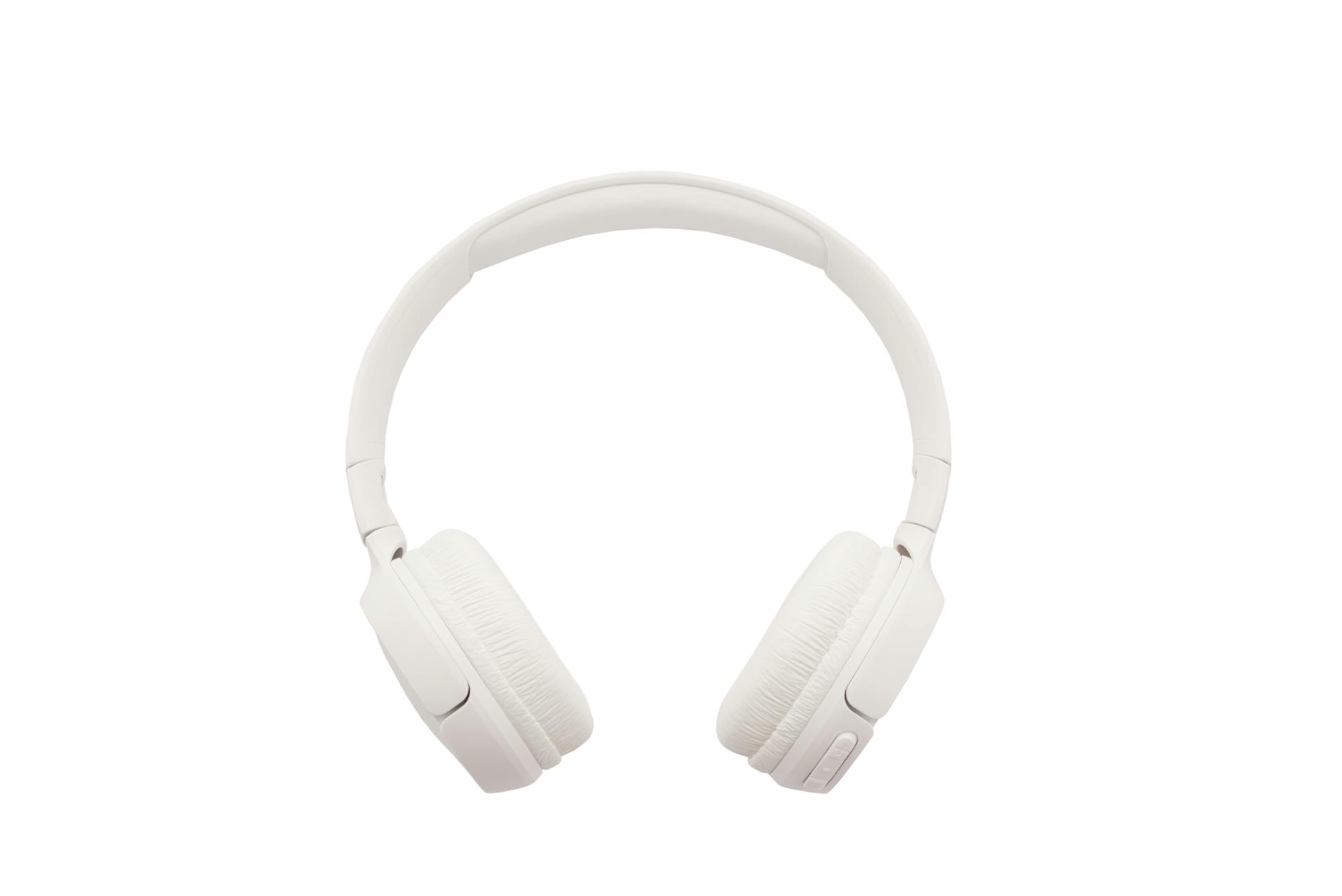
1. Noise Cancellation Performance
Sony’s latest headphones deliver exceptional noise cancellation that adapts automatically to your environment. The dual noise sensor technology processes ambient sound through Sony’s V1 processor, creating one of the most effective noise barriers available in consumer headphones. Testing across various environments – airplane cabins, coffee shops, busy streets – shows consistent performance that eliminates most low-frequency rumble while significantly reducing mid-range chatter.
Bose QuietComfort Ultra takes a different approach with its CustomTune technology, which measures your ear shape and adjusts noise cancellation accordingly. This personalized approach creates impressive results, particularly for blocking consistent background noise like air conditioning systems and engine hum. The immediate difference is noticeable when switching between noise cancellation modes, with the “Quiet” setting providing near-complete isolation from external sounds.
Both systems excel at their core function, but Sony edges ahead in handling irregular sounds like sudden announcements or construction noise. Bose maintains superiority in comfort during long-term use, with less pressure sensation that some users report with aggressive noise cancellation systems.
2. Audio Quality and Sound Signature
Sony’s sound signature emphasizes a balanced approach with slight emphasis on bass response. The 30mm drivers deliver detailed mids and crisp highs without becoming harsh during extended listening sessions. The LDAC codec support ensures high-resolution audio transmission when paired with compatible devices, making these headphones excellent for critical listening across multiple genres.
Bose focuses on what they call “lifelike” sound reproduction, prioritizing clarity and spatial awareness over emphasized frequency ranges. The result is remarkably natural-sounding audio that works exceptionally well for podcasts, audiobooks, and acoustic music. Electronic and hip-hop genres benefit from the controlled bass response that avoids muddiness while maintaining impact.
Customization options differ significantly between brands. Sony provides extensive EQ controls through their companion app, allowing users to fine-tune sound signatures for specific preferences or hearing profiles. Bose offers fewer granular controls but includes preset options optimized for different content types, making adjustments simpler for users who prefer straightforward optimization.
3. Comfort and Build Quality
Sony’s latest design incorporates lessons learned from previous generations, resulting in improved weight distribution and softer ear cushions. The headphones feel substantial without being heavy, and the adjustable headband accommodates various head sizes without creating pressure points. Extended wearing sessions of 4-6 hours remain comfortable for most users, though some report slight warmth buildup around the ears.

Bose maintains its reputation for exceptional comfort with plush ear cushions and minimal clamping force. The overall weight feels lighter than Sony’s offering, and the materials used feel premium throughout. The headband padding distributes weight evenly, making these headphones ideal for all-day wear during long flights or work sessions.
Build quality reflects each company’s design philosophy. Sony uses more plastic components but engineers them for durability and functionality. Bose incorporates more premium materials in visible areas while maintaining practical construction elsewhere. Both headphones fold for travel, though Sony’s case design provides slightly better protection during transport.
4. Battery Life and Charging Features
Sony delivers impressive battery performance with up to 30 hours of playback with noise cancellation enabled. Quick charging provides several hours of use from just 15 minutes of charging time, making these headphones practical for spontaneous travel or forgotten charging situations. USB-C charging aligns with modern device standards, and power management features help extend battery life during regular use.
Bose QuietComfort Ultra offers competitive battery life at approximately 24 hours with noise cancellation active. The slightly shorter duration is offset by consistent performance throughout the battery cycle – audio quality and noise cancellation effectiveness remain stable even as battery levels decrease. Fast charging capabilities provide similar convenience to Sony’s implementation.
Both headphones include power-saving features that automatically enter sleep mode when not in use. Sony’s implementation appears more aggressive in conserving battery, while Bose prioritizes instant-on convenience when headphones are picked up or moved.
5. Smart Features and Connectivity
Sony integrates comprehensive smart features through their companion app, including adaptive sound control that adjusts noise cancellation based on activity and location. Speak-to-chat functionality automatically pauses music when you start speaking, though this feature can be overly sensitive in certain environments. Multi-device connectivity works reliably with up to two simultaneous Bluetooth connections.
Bose focuses on refined implementations of essential smart features rather than extensive customization options. The touch controls respond accurately to gestures, and voice assistant integration works seamlessly with Siri, Google Assistant, and Alexa. The SimpleSync technology allows connection to compatible Bose speakers and soundbars for shared audio experiences.
App integration differs significantly between brands. Sony’s app provides extensive customization but can feel overwhelming for users seeking simple functionality. Bose’s app emphasizes ease of use with clear navigation and essential controls readily accessible, similar to how laptop manufacturers approach user interface design for different user preferences.
6. Call Quality and Microphone Performance
Sony incorporates precise voice pickup technology with multiple microphones positioned to capture clear speech while minimizing background noise. Call quality remains excellent in quiet environments, though performance degrades somewhat in windy or very noisy conditions. The noise cancellation system works independently during calls, maintaining environmental isolation while transmitting your voice clearly.
Bose excels in call clarity across various conditions, with superior wind noise reduction and consistent voice transmission quality. The microphone system adapts dynamically to ambient conditions, maintaining clear communication even in challenging environments like busy airports or city streets. This makes the headphones particularly valuable for professionals who rely on clear communication during travel.
Both headphones support voice assistant activation, though implementation varies. Sony provides more granular control over activation methods, while Bose emphasizes simplicity with straightforward voice commands and reliable response times.
7. Price and Value Proposition
Pricing for premium noise-cancelling headphones reflects the advanced technology and research investment required for top-tier performance. Sony’s offerings typically provide more features and customization options at their price point, appealing to users who value technical control and optimization capabilities.
Bose commands premium pricing but justifies the cost through exceptional comfort, reliable performance, and refined user experience. The brand’s reputation for durability and customer service adds value for users who view headphones as long-term investments rather than frequently updated accessories.
Value assessment depends heavily on individual priorities. Users seeking maximum customization and technical features find better value in Sony’s approach, while those prioritizing comfort and simplicity often prefer Bose’s refined implementation of essential features.
Both headphones represent significant investments that pay dividends through daily use, improved focus, and enhanced audio experiences across multiple scenarios. The choice ultimately depends on weighing feature priorities against comfort preferences and usage patterns.
Frequently Asked Questions
Which headphones have better noise cancellation?
Both excel, but Sony handles irregular sounds better while Bose provides more comfortable long-term noise isolation with less pressure sensation.
How long do the batteries last on each model?
Sony offers up to 30 hours with noise cancellation on, while Bose provides approximately 24 hours of consistent performance throughout the battery cycle.