


The smartphone camera wars have reached new heights, with Samsung and Apple pushing computational photography to its absolute limits. Both the Galaxy S25 Ultra and iPhone 16 Pro Max represent the pinnacle of mobile imaging technology, but which flagship delivers the superior camera experience for photographers and content creators?
1. Main Camera Performance: Pixel Wars Meet Reality
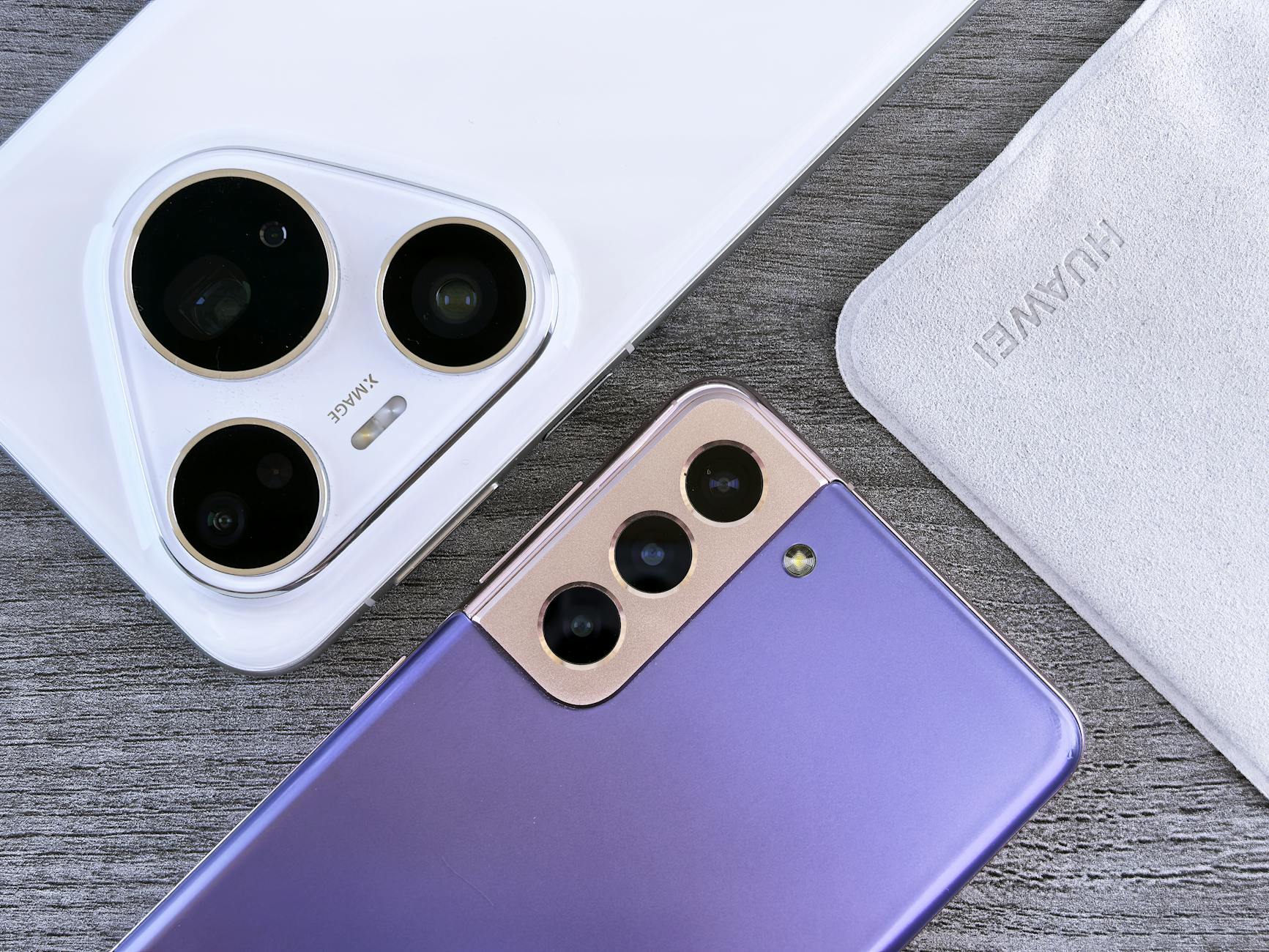
Samsung’s Galaxy S25 Ultra reportedly maintains its impressive 200MP main sensor, delivering extraordinary detail in ideal lighting conditions. The pixel-binning technology combines multiple pixels for better low-light performance, while the large sensor size captures more light than most competitors. Samsung’s computational photography has matured significantly, offering more natural color processing compared to previous generations.
Apple’s iPhone 16 Pro Max continues with its refined 48MP approach, prioritizing image quality over raw megapixel count. The larger sensor and improved lens design deliver exceptional dynamic range and color accuracy. Apple’s Smart HDR technology excels at balancing challenging lighting scenarios, while the company’s commitment to computational photography produces consistently reliable results across various shooting conditions.
The main camera comparison reveals two distinct philosophies: Samsung’s detail-focused approach versus Apple’s consistency-driven strategy. Both deliver professional-quality results, but Samsung edges ahead for those requiring maximum resolution and detail capture.
2. Telephoto Capabilities: Zoom Champion Showdown
Samsung’s telephoto system reportedly offers superior zoom range, with the S25 Ultra maintaining its impressive periscope design for extended reach. The combination of optical and digital zoom provides versatility that appeals to photographers who need flexibility without compromising image quality. Samsung’s Space Zoom feature, while sometimes overly aggressive in processing, delivers usable results at extreme distances.
Apple’s iPhone 16 Pro Max focuses on optical zoom quality rather than maximum range. The telephoto lens delivers sharp, detailed images with excellent color reproduction and minimal distortion. Apple’s approach prioritizes image quality over zoom distance, resulting in consistently better results within its zoom range compared to Samsung’s more ambitious but sometimes inconsistent extreme zoom capabilities.
For wildlife photography, sports, or distant subject capture, Samsung’s extended zoom range provides clear advantages. However, Apple’s more conservative approach delivers superior image quality within its operational range, making it ideal for portrait photography and general telephoto needs.
3. Ultra-Wide Photography: Perspective and Quality Balance
Both devices feature impressive ultra-wide cameras, but with different strengths. Samsung’s Galaxy S25 Ultra reportedly offers a wider field of view, capturing more of the scene in architectural and landscape photography. The distortion correction has improved significantly, though some edge softness remains visible in challenging conditions.

Apple’s ultra-wide camera maintains excellent edge-to-edge sharpness and color consistency with the main camera. The iPhone 16 Pro Max delivers superior low-light performance in ultra-wide mode, with less noise and better detail retention. Apple’s computational photography ensures seamless color matching between all camera modules, creating a more cohesive shooting experience.
The ultra-wide comparison favors different users based on priorities. Samsung wins for maximum coverage and creative perspective options, while Apple excels in image quality consistency and low-light ultra-wide photography. Both systems handle distortion correction well, though Apple’s approach appears more refined.
4. Night Photography: Low-Light Excellence
Samsung’s Night Mode has evolved significantly, offering impressive low-light capabilities across all camera modules. The large main sensor captures substantial light, while advanced computational photography reduces noise and enhances detail. Samsung’s approach allows more manual control over night photography settings, appealing to enthusiasts who prefer fine-tuning their shots.
Apple’s Night Mode represents the gold standard for automated low-light photography. The iPhone 16 Pro Max delivers consistently excellent results with minimal user intervention. Apple’s computational photography excels at preserving natural colors and textures in challenging lighting conditions. The seamless integration across all camera modules ensures consistent night photography quality regardless of which lens you choose.
While both systems deliver excellent night photography, Apple maintains a slight edge in consistency and ease of use. Samsung offers more creative control but requires more user knowledge to achieve optimal results. For most users, Apple’s automated approach proves more reliable and user-friendly.
5. Video Recording: Cinematic Quality and Features
Samsung’s video capabilities include impressive stabilization and multiple recording modes. The S25 Ultra reportedly supports professional video features including enhanced manual controls and multiple format options. Samsung’s approach caters to content creators who need flexibility and advanced features for professional video production.
Apple’s video recording remains industry-leading, with exceptional stabilization and color science. The iPhone 16 Pro Max delivers superior dynamic range in video recording, while features like Action Mode provide remarkable stabilization for active shooting scenarios. Apple’s video ecosystem integration makes it the preferred choice for creators working within Apple’s professional video workflows.
The video comparison heavily favors Apple for most users, with superior stabilization, color accuracy, and ecosystem integration. Samsung appeals to users needing specific professional features, but Apple’s overall video quality and ease of use make it the clear winner for general video recording needs.
6. Portrait Photography: Depth and Detail
Samsung’s portrait mode benefits from the dedicated telephoto lens and advanced computational photography. The S25 Ultra delivers impressive subject separation and bokeh effects, with multiple focal length options for portrait photography. Samsung’s approach offers more creative control over depth effects and background blur intensity.
Apple’s Portrait mode represents refined computational photography, delivering natural-looking depth effects and excellent subject detection. The iPhone 16 Pro Max excels at edge detection and maintains natural skin tones across various lighting conditions. Apple’s Portrait Lighting effects provide creative options while maintaining photographic realism.
Both systems deliver excellent portrait photography, but with different strengths. Samsung offers more focal length options and creative control, while Apple provides more consistent and natural-looking results. The choice depends on whether you prioritize versatility or reliability in portrait photography.
7. Computational Photography: AI and Processing Power
Samsung’s computational photography has matured significantly, offering impressive scene recognition and automatic optimization. The Galaxy S25 Ultra reportedly includes enhanced AI features for better subject detection and scene analysis. Samsung’s approach provides more manual override options while delivering competitive automatic results.
Apple’s computational photography integration remains seamless and largely invisible to users. The iPhone 16 Pro Max delivers consistently excellent results across various shooting scenarios without requiring user intervention. Apple’s approach prioritizes reliability and consistency over maximum customization options.
The computational photography comparison reflects broader design philosophies: Samsung’s flexibility versus Apple’s simplicity. Both deliver excellent results, but Apple’s seamless integration appeals to users who prefer automatic optimization, while Samsung attracts those wanting more control over their photography experience.
The Verdict: Choosing Your Camera Champion
The Samsung Galaxy S25 Ultra emerges as the choice for photographers prioritizing maximum zoom range, high resolution, and creative control. Its impressive telephoto capabilities and detailed main camera make it ideal for enthusiasts who enjoy manual photography control and need maximum versatility.
Apple’s iPhone 16 Pro Max wins for users seeking consistent, reliable camera performance across all scenarios. Its superior video recording, seamless computational photography, and excellent low-light performance make it the better choice for most users and content creators.
Both devices represent the pinnacle of smartphone photography, but your choice should align with your photography priorities and usage patterns. Consider Samsung for maximum zoom and resolution capabilities, or choose Apple for overall consistency and superior video recording performance.
Frequently Asked Questions
Which phone has better zoom capabilities?
Samsung Galaxy S25 Ultra offers superior zoom range with its periscope telephoto system, while iPhone 16 Pro Max provides better image quality within its zoom range.
Is the iPhone 16 Pro Max better for video recording?
Yes, iPhone 16 Pro Max delivers superior video recording with better stabilization, dynamic range, and professional video ecosystem integration.