


DJI Neo 2 vs GoPro Hero 13 Black: Which Action Camera Actually Wins?
Two cameras. Two completely different philosophies. The DJI Neo 2 is built around AI-assisted autonomy – fly it solo, let it track you, edit footage automatically. The GoPro Hero 13 Black is built around raw capability – strap it to anything, shoot in conditions that would destroy most electronics, and hand over footage that serious editors can actually work with. Choosing between them comes down to one question: do you want a camera that does the work, or a camera that gives you the tools?
Both devices sit in the action camera category by loose definition, but they serve genuinely different users. The Neo 2 is a compact drone with camera ambitions. The Hero 13 Black is a camera with extreme sport ambitions. That distinction shapes every comparison that follows.
1. Design and Portability
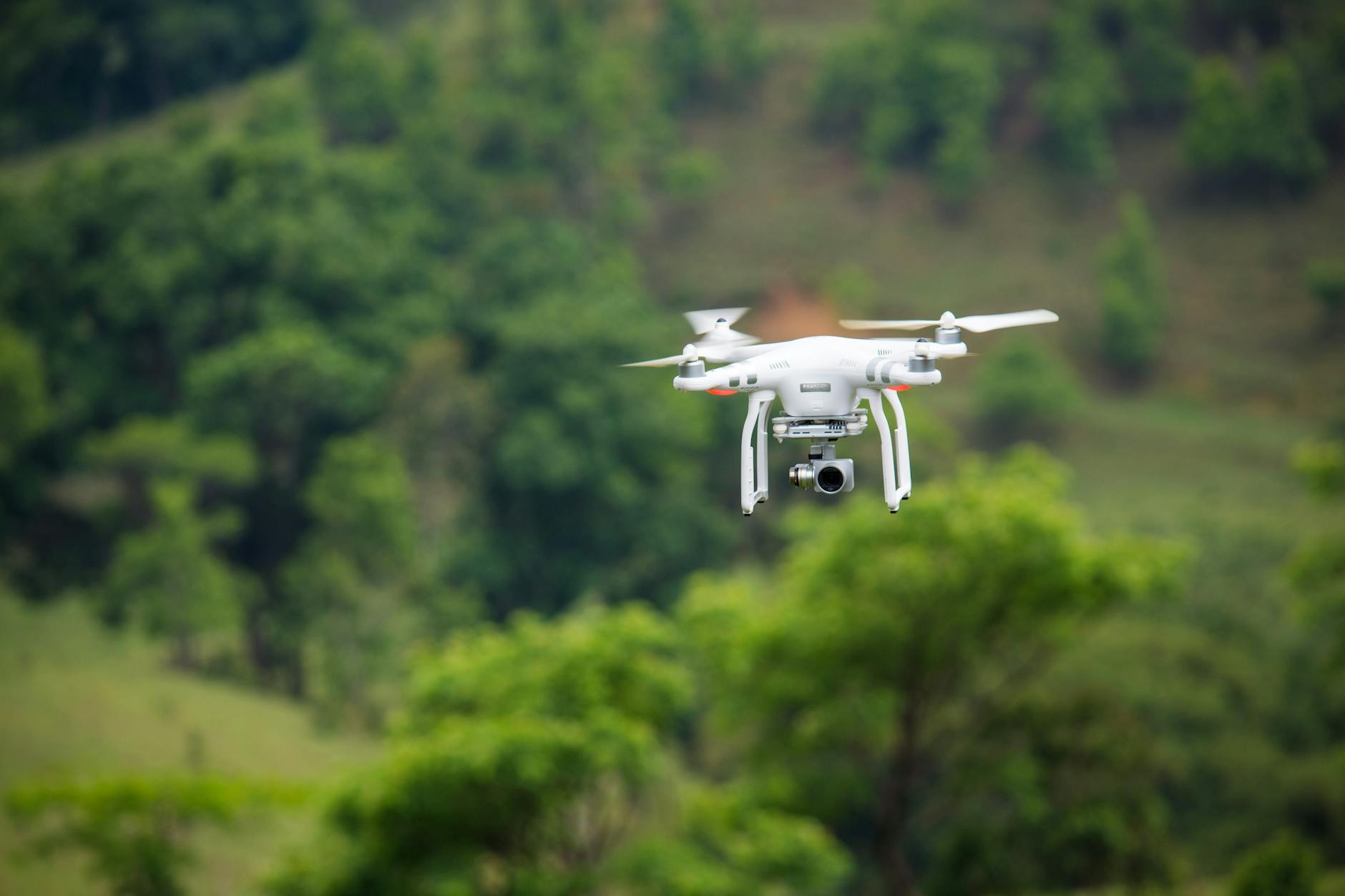
The DJI Neo 2 weighs around 135 grams and folds into a package small enough to slip into a jacket pocket. Its propeller guards are fixed rather than foldable, which keeps the design simple but adds a little bulk compared to DJI’s other compact drones. The overall build feels light – intentionally so, since keeping weight down is what allows it to operate in the sub-250g regulatory category in many countries, avoiding mandatory drone registration requirements. That is not a minor perk. For travelers and casual users, the difference between “register this device before every trip” and “just pack it and go” is enormous.
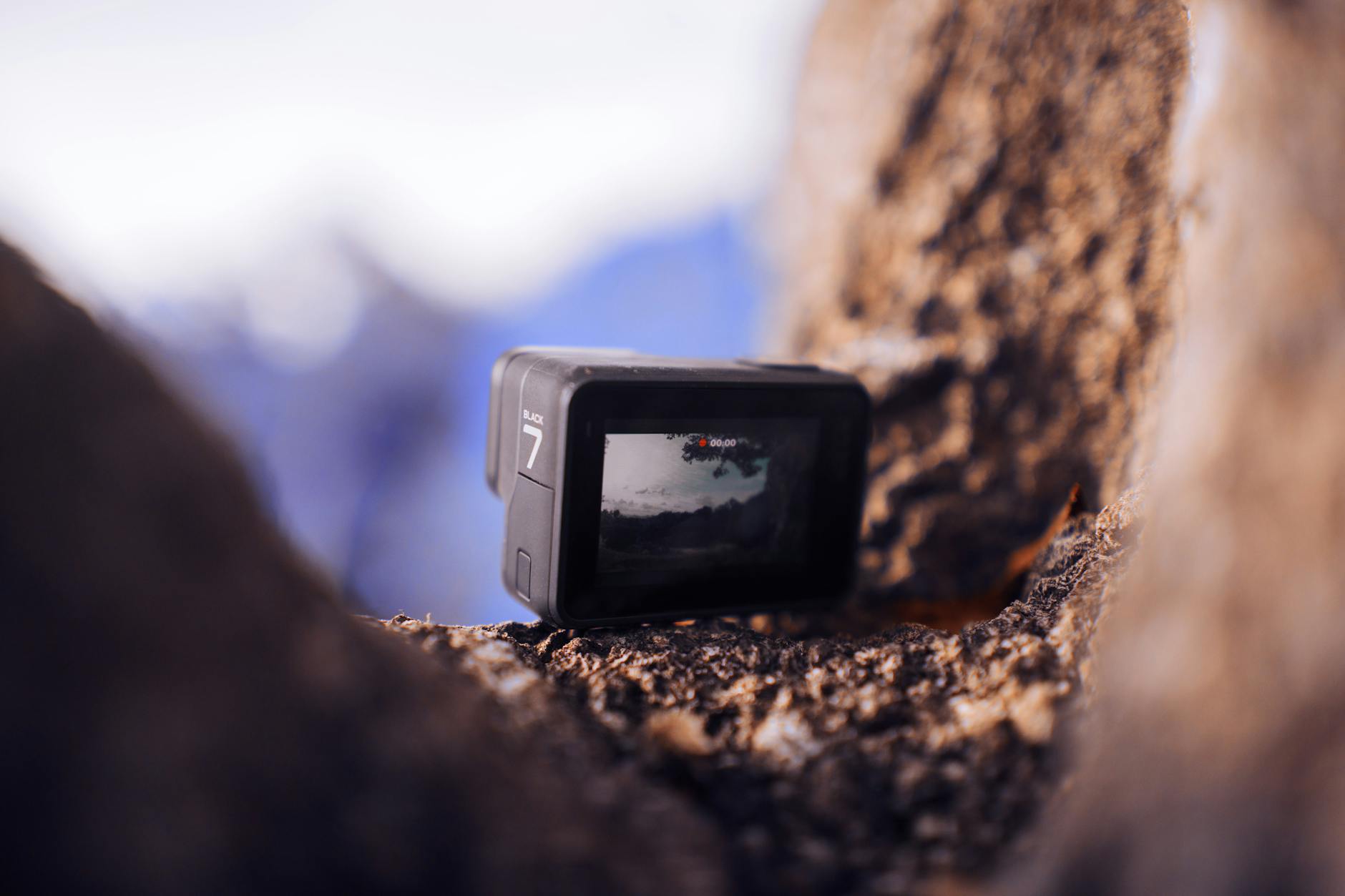
The GoPro Hero 13 Black is a brick by comparison – a small, dense, waterproof brick. It measures roughly 71 x 55 x 34mm and weighs about 154 grams without a mount. Its body is waterproof to 10 meters without any housing, which the Neo 2 cannot match at all. The Hero 13 Black also ships with a new Enduro battery that GoPro claims delivers better performance in cold temperatures, which matters to anyone shooting in winter conditions or at altitude. The mounting ecosystem is the other advantage: a decade of GoPro mounts, accessories, and third-party hardware means the Hero 13 Black attaches to virtually any surface, helmet, bike, or body part imaginable.
Portability favors the Neo 2 if you measure by weight and regulatory simplicity. Durability and mount flexibility clearly belong to GoPro. Neither wins cleanly here – they just serve different kinds of “on the go.”
2. Video Quality and Resolution
The DJI Neo 2 shoots up to 4K at 60fps, with a 1/1.3-inch sensor – a meaningful upgrade over the original Neo’s smaller sensor. That sensor size gives it noticeably better low-light performance than its predecessor and puts it in competitive territory against the Hero 13 Black. DJI’s color science is smooth and cinematic by default, which works well for content creators who want footage that looks polished without heavy grading. The Neo 2 also supports D-Log M, DJI’s flat color profile, giving editors genuine latitude to push colors and contrast in post without the footage falling apart.
The GoPro Hero 13 Black shoots up to 5.3K at 60fps, or 4K at 120fps for slow motion. That slow motion ceiling is where GoPro genuinely separates itself – 4K/120 is not something the Neo 2 can match, and for action sports footage, the ability to slow down a critical moment at full resolution is a serious advantage. GoPro’s HyperSmooth 6.0 stabilization is also class-leading for a body-worn or mount-based camera, using horizon leveling that keeps the frame steady even during chaotic movement. The Hero 13 Black also introduces a new 1/1.9-inch sensor with improved dynamic range over the Hero 12.
For cinematic overhead shots and smooth tracking video, the Neo 2 looks excellent. For high-speed action with aggressive stabilization and more resolution headroom, the Hero 13 Black edges ahead. The gap is smaller than it was a generation ago, but it still exists at the top end of performance.
3. Stabilization
Stabilization works differently depending on which camera you’re holding. The Neo 2 stabilizes through two mechanisms: its gimbal and its flight dynamics. A 3-axis motorized gimbal handles micro-vibrations and tilt corrections while the drone itself hovers and adjusts position in real time. The result is footage that looks almost artificially smooth – the kind of gliding, cinematic movement that would require a professional camera operator and a crane on the ground. When the Neo 2 is locked onto a subject and tracking, the stabilization is genuinely impressive in calm to moderate wind conditions.
The GoPro Hero 13 Black’s HyperSmooth 6.0 is electronic stabilization, meaning it crops the sensor slightly to create a buffer for correction. GoPro has refined this system across multiple generations and it is now good enough that most casual viewers would not distinguish it from gimbal footage. The new AutoBoost mode selects the maximum stabilization level while retaining as much field of view as possible – a smart balance that prevents the tunnel-vision effect that heavy cropping can create. In real-world use, the Hero 13 Black handles running, mountain biking, and kayaking without producing the jittery mess that older action cameras were known for.
The Neo 2’s gimbal will always produce cleaner aerial footage. The Hero 13 Black’s electronic stabilization is more practical when the camera is physically attached to something or someone moving aggressively. These are not competing systems – they are optimized for different contexts.
4. Autonomous Features and AI Tracking
This is where the Neo 2 makes its strongest case. The camera can follow a moving subject – a cyclist, surfer, hiker, skateboarder – without a dedicated operator holding a remote. Subject tracking uses onboard AI to lock onto a person or object and maintain frame while the drone adjusts altitude, distance, and angle automatically. DJI’s QuickShots are also available: preset flight paths like Dronie, Helix, Rocket, and Boomerang that produce professional-looking cinematic moves with one tap. For solo content creators, this functionality replaces a second person on set.
GoPro has its own automation features, primarily through the Quik app and in-camera HindSight, which captures footage from 30 seconds before you hit record. TimeWarp 3.0 and scheduled capture are useful but modest compared to the Neo 2’s flight autonomy. The Hero 13 Black does not track subjects or execute cinematic flight paths – because it is not a drone. What GoPro offers instead is voice control and the ability to set the camera running and forget about it while you focus on the activity itself.
If shooting solo content without an assistant is a priority, the Neo 2’s autonomous capability is genuinely difficult to replicate with any body-mounted camera, regardless of how good the stabilization is.
5. Battery Life and Usability in the Field
Battery life is one of the Neo 2’s most consistent criticisms. In standard flying conditions, expect around 18-22 minutes per battery. Wind, aggressive maneuvers, and cold temperatures all cut that number down. DJI sells extra batteries and a multi-battery charging hub, and most serious users carry at least three batteries to get a productive shooting session. This is the fundamental constraint of small drones – physics limits how much power a sub-150g device can carry while still lifting itself off the ground.
The GoPro Hero 13 Black with its Enduro battery delivers around 70 minutes of continuous recording in standard 1080p mode, dropping to roughly 45-50 minutes at 4K/60fps. That is a usable shooting window for most activities. GoPro also supports USB-C charging while recording, which matters for timelapses and long events. The Max Lens Mod 2.0 – an optional wide-angle lens accessory – does draw additional power, so accessories affect runtime. Still, the Hero 13 Black gives you more continuous recording time per charge than the Neo 2 by a wide margin.
For anyone covering extended activities – a full day of skiing, a long surf session, a mountain trail – the Hero 13 Black simply stays on longer. The Neo 2 demands more battery management discipline.
6. Price and Value
The DJI Neo 2 launches at around $239 for the camera-only version, rising to $299-$349 depending on whether you add a remote controller. The Hero 13 Black retails at approximately $399 at launch. On price alone, the Neo 2 is the more accessible entry point, especially considering what it delivers at that price – a flying 4K camera with AI tracking that fits in your pocket and requires no FAA registration in most use cases.
Value is harder to calculate cleanly. The Hero 13 Black at $399 includes a more durable, waterproof body, superior slow-motion capability, and a mount ecosystem worth hundreds of dollars in compatibility alone. The Neo 2 at $299 with a remote includes autonomous flight, 3-axis gimbal footage, and content creation features that a body-mounted camera cannot replicate at any price. They are not really competing for the same dollar – they are competing for the same attention span.
The honest version of the value comparison is this: if you already own GoPro mounts, accessories, and an editing workflow built around action footage, the Hero 13 Black slots in cleanly. If you are starting fresh and want cinematic-looking content with minimal crew, the Neo 2 delivers more visual variety per dollar.
Verdict: Which One Should You Buy?
The DJI Neo 2 is the better camera for solo content creators, travel vloggers, and anyone who wants cinematic aerial footage without hiring a drone operator. The GoPro Hero 13 Black is the better camera for athletes, outdoor adventurers, and anyone operating in environments where a drone is either impractical, illegal, or physically impossible to fly – underwater, inside a half-pipe, strapped to a rally car.
These two cameras rarely belong in the same bag for the same purpose. A surfer doesn’t need a drone. A solo travel filmmaker probably doesn’t need 4K/120fps slow motion of themselves sitting on a train. Buy for what you actually shoot, not for the specs sheet that sounds most impressive in a comparison article.
The one scenario where the choice gets genuinely difficult is action sports with a filming partner – someone who can hold the Neo 2’s remote while you ride, ski, or skate. In that context, the Neo 2 can produce footage that looks dramatically more expensive than the Hero 13 Black, even at a lower price point. But the moment your filming partner leaves, so does that advantage.