


Overview: A Power Station Built for Serious Demand
Portable power stations have come a long way from bulky, underpowered boxes that struggled to run a microwave for twenty minutes. The Anker SOLIX F3800 sits at the extreme end of that evolution – a 3,840Wh unit with 6,000W of AC output that positions itself as a direct competitor to whole-home backup generators. The price reflects that ambition: at around $3,999 at launch, this is not a casual purchase. The real question is whether the hardware justifies the investment, or whether you are paying a premium for specs most users will never actually need.
The F3800 targets a specific kind of buyer – someone who has lived through a power outage long enough to lose a freezer full of food, or someone running a remote worksite, RV setup, or off-grid cabin who needs reliable, sustained power. It is not designed for weekend campers. Anker built this unit to function as infrastructure, and that framing matters when evaluating whether the cost makes sense.

Design and Build Quality
The F3800 is large. At roughly 84 pounds, it does not pretend to be portable in the traditional sense. It ships with wheels and a telescoping handle, which makes moving it across flat surfaces manageable, but getting it up a single step requires two people. The shell is a matte dark gray with orange accents – understated for a unit this size, and it does not look out of place in a garage or utility room.
The front panel is well-organized. A large color display shows wattage input and output, remaining battery percentage, estimated runtime, and active port status at a glance. The layout is intuitive enough that you do not need to consult the manual to understand what is happening. Port selection is generous: multiple AC outlets, USB-A and USB-C ports, a 30A RV outlet, car charging ports, and DC barrel connections. The AC outlets are rated for 6,000W continuous output with a 240V option when two units are bridged together – something that becomes relevant for running well pumps or large HVAC systems.
Build quality feels appropriate for the price. The casing has no flex, the ports have solid covers, and the wheels roll without any wobble. This is not a unit you are throwing into the back of a truck carelessly, but it is built to handle the wear of regular use.
Performance
Output performance is where the F3800 genuinely earns attention. The 6,000W continuous AC output is not a burst rating – the unit sustains it. Running a refrigerator, a window AC unit, a coffee maker, and multiple device chargers simultaneously barely registers as a stress test. For a home office setup during an outage, this unit handles everything without the load-sharing compromises that plague mid-range power stations.
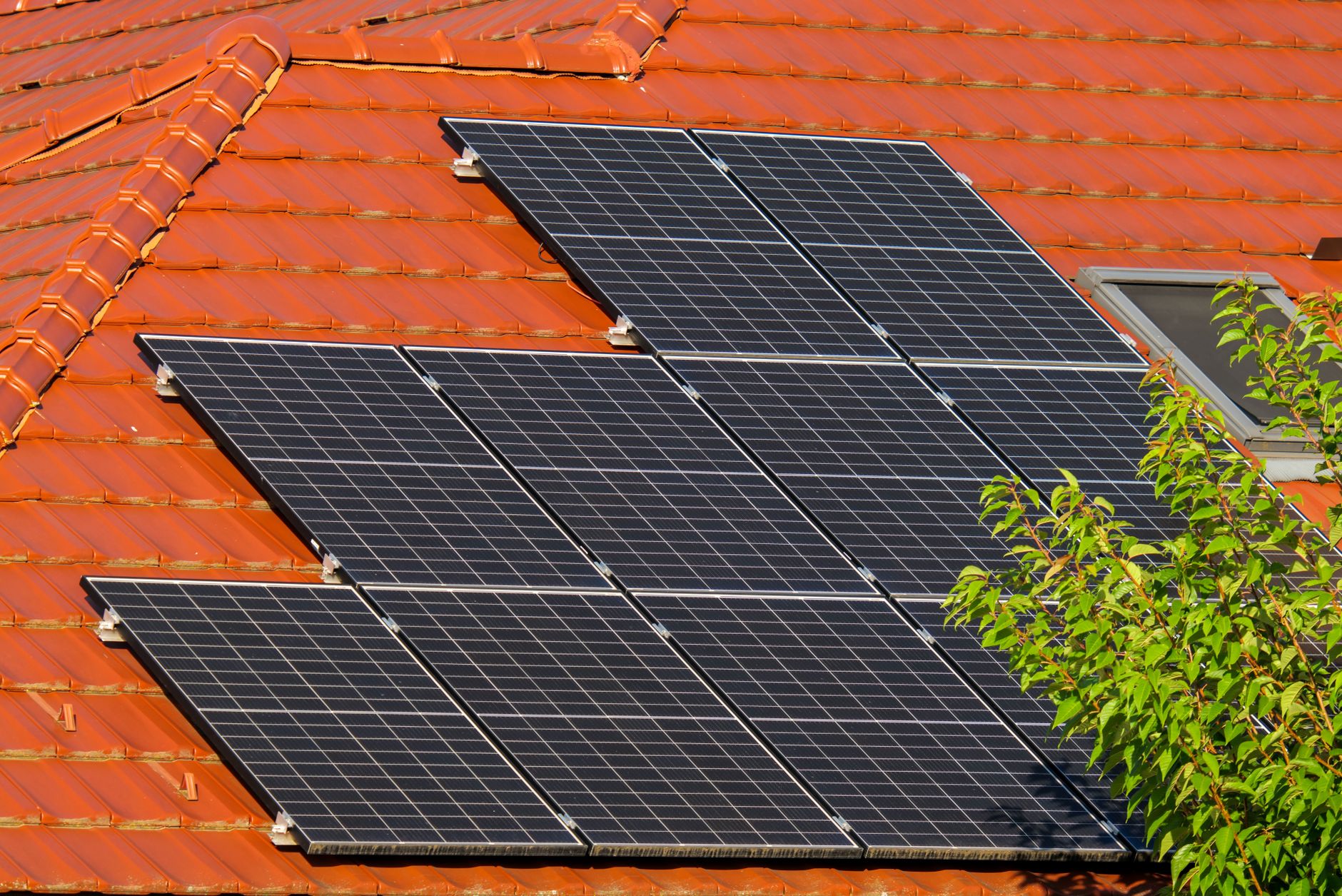
Recharging speed is equally serious. Using the included AC charging cable, the F3800 charges from zero to full in roughly two hours at maximum AC input. Solar input supports up to 2,400W, which means a realistic eight-panel setup can meaningfully recharge the unit within a day of strong sunlight. The Anker app allows control over charging limits, schedules, and monitoring – and it works reliably without the connectivity dropouts that plague some competitors’ apps.
The LFP (lithium iron phosphate) battery chemistry is worth highlighting specifically. LFP cells run cooler, tolerate more charge cycles before degradation, and carry a lower fire risk than traditional lithium-ion cells. Anker rates the F3800 for 3,000 full charge cycles before dropping to 80% capacity – which translates to years of daily use before any meaningful performance loss. That longevity argument directly addresses one of the core objections to spending this much on a portable power station.
Fan noise during high-load operation is audible but not disruptive. At moderate loads, the unit runs quietly enough to keep in a bedroom during an overnight outage without becoming irritating.
Expansion and Ecosystem
Anker designed the F3800 to grow with your needs. Up to two SOLIX BP3800 expansion batteries can be added, bringing total capacity to 11,520Wh. Two F3800 units can be bridged for 240V output at 12,000W combined – which covers well pumps, central air systems, and other heavy appliances that standard portable units cannot touch. For anyone managing a property with serious power needs, this scalability is a meaningful differentiator.
The whole-home backup capability, when paired with Anker’s optional transfer switch, allows the F3800 to function as an automatic backup for a home’s essential circuits. Setup requires an electrician, and the transfer switch adds to the total cost, but the functionality is real and not a marketing exaggeration. This positions the F3800 against entry-level standby generators – and the absence of fuel costs, maintenance, and noise emissions is a legitimate advantage in that comparison.
Pros
- 6,000W continuous AC output handles heavy home appliances without load restrictions
- LFP battery chemistry offers better cycle life and thermal stability than standard lithium-ion alternatives
- Fast recharging – under two hours via AC at full input, with strong solar compatibility
- Expandable capacity up to 11,520Wh with optional battery expansion
- 240V output capability when two units are bridged together
- Reliable companion app with scheduling, monitoring, and remote control
- Quiet operation at low to moderate loads
- Home backup integration via optional transfer switch
Cons
- Weight and size – at 84 pounds, truly portable use cases are limited
- High entry price – $3,999 before accessories or expansion batteries
- Transfer switch sold separately and requires professional installation
- Solar panels not included – full off-grid setup requires significant additional investment
- App required for some features – advanced scheduling is not fully accessible from the unit itself
- No built-in inverter generator fallback – fully dependent on grid or solar for recharging
Verdict: Who Should Actually Buy This
The Anker SOLIX F3800 does exactly what it claims to do, at the scale it claims to do it. That is not a small thing at this price point – many competitors in the premium power station category overpromise on output and underdeliver under sustained load. The F3800 does not have that problem.
For homeowners in areas with frequent outages, the math against a traditional propane or natural gas standby generator becomes genuinely interesting. A whole-home generator installation commonly runs between $3,000 and $5,000 for the unit alone, plus installation, plus ongoing fuel and maintenance costs. The F3800 system, with a transfer switch and expansion battery, reaches a similar total investment but carries no fuel dependency, no emissions, and no service schedule. That is a real argument, not a marketing talking point.
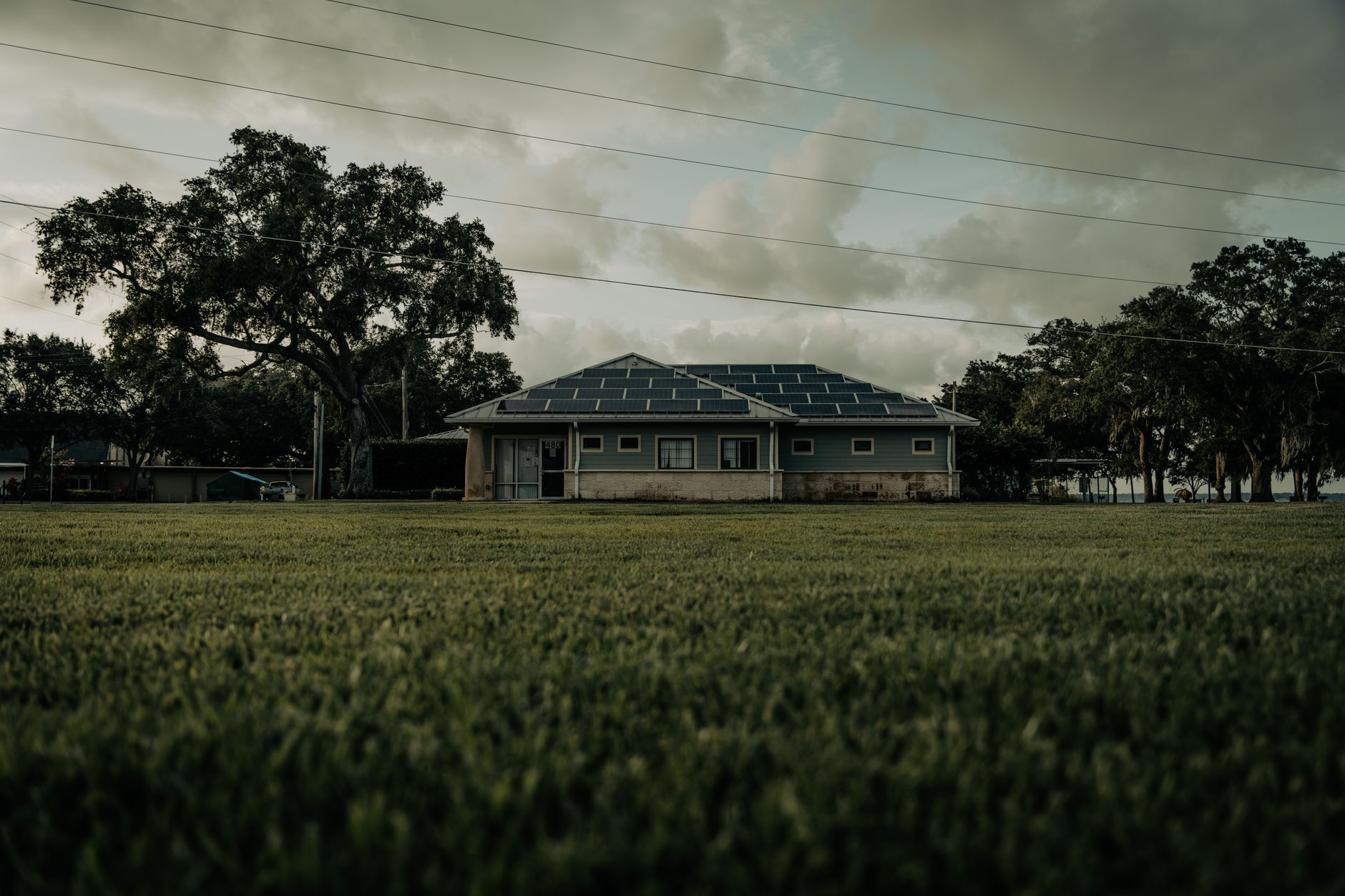
For off-grid applications – RV full-timers, remote cabins, job sites without utility access – the F3800 paired with solar panels is one of the most capable setups available without moving to a hardwired commercial system. The expandability means you are not buying into a dead end; capacity can grow as needs change.
The buyers who should pause are those looking for a high-capacity unit for occasional camping trips or light emergency use. At this price and weight, the F3800 is overbuilt for those applications, and mid-range alternatives at half the cost would serve those needs adequately. Spending $4,000 on a power station that will sit in a closet and run a lamp twice a year is hard to justify.
The stronger version of that concern applies to apartment dwellers or anyone without a stable location to set up solar charging – the F3800’s value compounds significantly with renewable input, and without it, you are always dependent on grid access to recharge.
At its target use case, though, this unit is difficult to argue against. The build quality is there, the output is real, and the LFP longevity means this is a purchase measured in decades rather than years. The $3,999 starting price stops being uncomfortable when you divide it by 3,000 charge cycles.