
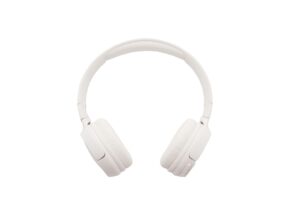


Overview
Every flagship noise-cancelling headphone eventually faces the same question: how do you improve something people already consider excellent? Sony’s answer with the WH-1000XM6 is a mix of deeper engineering and a few overdue design corrections. The headline change is a new QN3 processor driving a 12-microphone array, up from eight microphones on the XM5. Sony says this lets the headphones analyze and counter ambient sound more precisely, with the biggest gains in the midrange, where voices and office chatter live.
This is an analytical review. It weighs Sony’s published specifications and design changes against how these headphones should behave in real use, and against the rivals most buyers will cross-shop.
The XM6 launched at $449.99, which is $50 more than the XM5 cost at launch. That puts it squarely against the Bose QuietComfort Ultra Headphones and Apple’s AirPods Max, so noise cancelling is no longer the only thing Sony has to win on. Comfort, call quality, battery life and software all count in this price bracket.
Design and Comfort
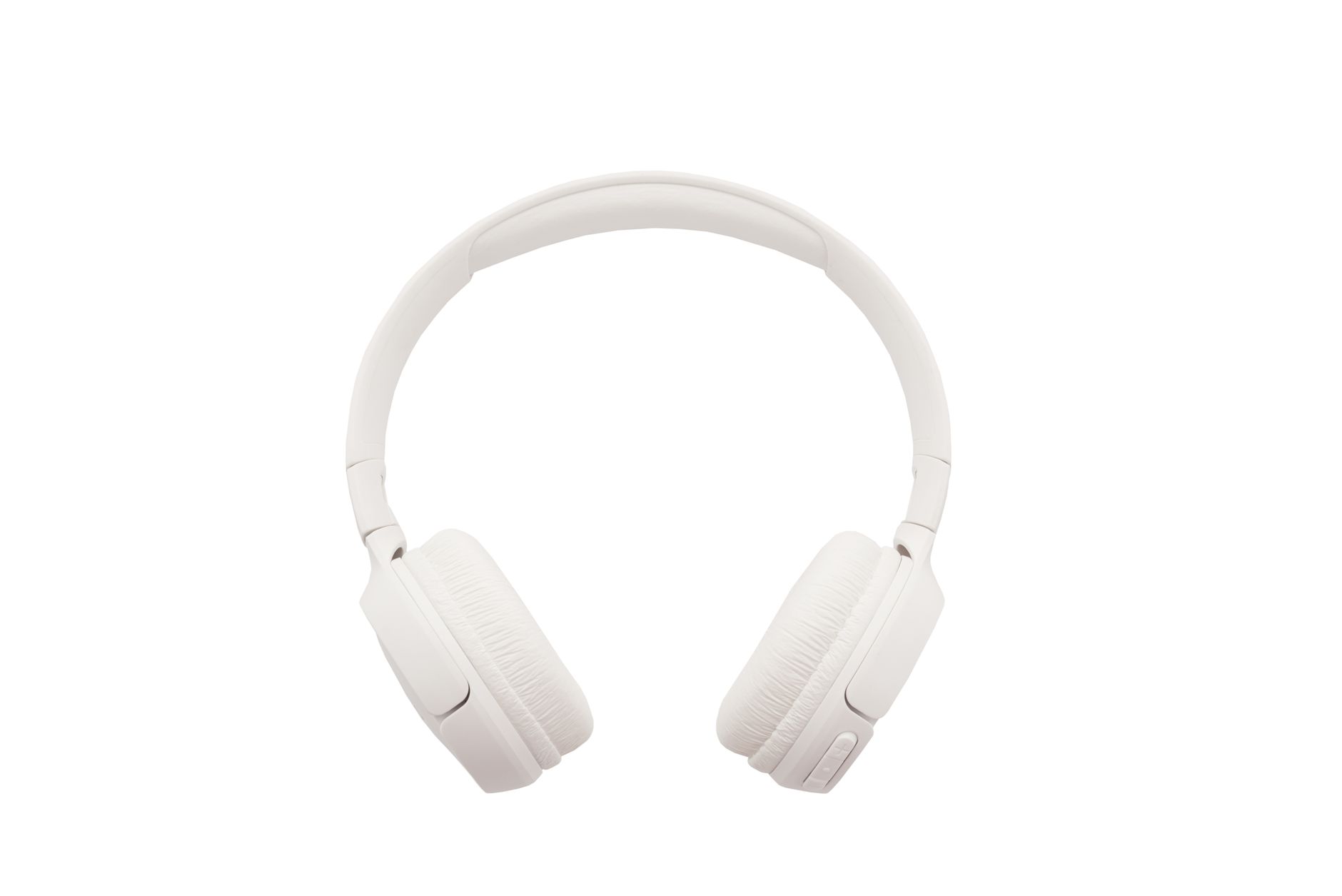
The XM5 dropped the folding hinge that earlier Sony models had, and travelers complained about the bulky case. The XM6 brings the fold back. That sounds minor on a spec sheet, but it changes how the headphones live in a bag. A flagship you can collapse into a smaller case gets used on commutes and flights. One that takes up half a backpack tends to stay at home.
Weight stays close to the XM5 at roughly 254 grams, light enough for long sessions. Sony kept the soft synthetic leather ear pads and a slim headband, and reworked the headband so clamping force spreads more evenly. The matte finish resists fingerprints better than glossy plastics, though the build is still mostly plastic. It feels refined rather than luxurious, and that is a real contrast with Apple’s aluminum-heavy approach.
Noise Cancelling Performance
This is the feature that built the XM line’s reputation, and it is where the XM6 invests most of its effort. More microphones mean more data about what is leaking past the ear cup. The QN3 processor then has to decide what to cancel and how fast. Sony also carries over its Adaptive NC Optimizer, which tunes cancelling to your head shape, glasses and the surrounding pressure.
Low-frequency noise such as engines, air conditioning and train rumble has been the easy win for ANC headphones for years. Unpredictable midrange noise is harder. Clattering keyboards, nearby conversations and café clatter are where headphones separate themselves, and an extra four microphones are aimed squarely at that problem.
The honest caveat is that the XM5 was already very good here. Gains from the XM6 will be most noticeable to frequent flyers and open-office workers, not casual listeners who mostly use headphones in quieter rooms. If you already own the XM5 and your complaints are minor, this is an incremental step, not a leap.
Sound Quality
Sony uses a redesigned 30mm driver with a carbon fiber composite dome. The goal is tighter bass and cleaner treble extension than the XM5 managed. Out of the box, Sony tunes its flagships toward a warm, energetic sound that flatters pop, hip-hop and electronic music. That tuning is easy to like and occasionally too eager with low-end weight for acoustic and classical recordings.
The Sony Headphones Connect app fixes much of that. A 10-band equalizer, LDAC for high-resolution streaming on Android, and DSEE Extreme upscaling for compressed files give you plenty of control. Bluetooth 5.3 and LE Audio support also prepare the headphones for the newer wireless standards, including Auracast broadcast audio, as more public venues adopt it.
Apple’s AirPods Max still offers the tightest integration with iPhones and spatial audio on Apple content. Bose tends to go for a more neutral, spacious character. Sony’s advantage is flexibility: more codecs, more tuning options and a sound signature you can reshape to taste.

Calls, Battery and Features
The additional microphones also serve voice pickup. Sony’s beamforming and AI-based noise reduction are meant to isolate your voice from wind and street noise, and the XM5 was already among the better headsets for calls. Expect the XM6 to hold or extend that lead, though a wireless headphone will never match a dedicated boom microphone.
Battery life is rated at about 40 hours with noise cancelling on, an improvement on the XM5’s 30. Quick charging is still a standout: a few minutes on USB-C returns hours of playback. Multipoint connection lets you stay linked to a laptop and phone together, and the headphones can pause music automatically when you start talking, or when you take them off.
Pros
- Class-leading noise cancelling potential: Twelve microphones and the QN3 processor target the midrange noise that most headphones struggle with.
- Folding design returns: A collapsible hinge and a more practical case make the XM6 far easier to travel with than the XM5.
- Long battery life: Roughly 40 hours with ANC on covers long-haul flights and multiple workdays between charges.
- Deep customization: The app’s EQ, codec support and adaptive controls give tinkerers more room than most rivals allow.
- Strong call performance: Improved microphone processing keeps voice clear in noisy surroundings.
- Cross-platform friendliness: LDAC, multipoint and LE Audio support mean it works well on Android, Windows and iOS, without locking you into one ecosystem.
Cons
- Higher price: At $449.99, the XM6 costs more than its predecessor, and the XM5 will likely be discounted as stock clears.
- Incremental for XM5 owners: If your current pair does the job, the upgrade case rests mostly on battery life and the folding design.
- Plastic-heavy construction: The materials feel competent but not premium for the money, especially next to Apple’s metal build.
- Sound tuning leans warm: The default profile favors bass-forward listening, so purists will want to spend time in the equalizer.
- No meaningful water resistance: These are not workout headphones, and a flagship at this price arguably should offer some protection against sweat and rain.
- ANC pressure sensation: Strong cancelling can feel like pressure in the ears for sensitive users, a trait shared across the category.
How It Stacks Up
The Bose QuietComfort Ultra Headphones remain the comfort benchmark for many people, with a plush fit and a more natural sound. Apple’s AirPods Max wins for iPhone owners who value seamless device switching and spatial audio. The Sennheiser Momentum 4 offers excellent battery life and a more balanced sound, though its noise cancelling has historically trailed Sony’s.
The XM6 beats each of them on the combination of cancelling strength, features and cross-platform support. It does not beat each of them on any single measure. That is the nature of a flagship generalist, and it is why Sony’s headphones remain the default recommendation in this category.

Verdict
Does noise cancelling still lead the pack? On the evidence of the hardware, yes. Sony put its engineering effort where it matters, fixed the XM5’s most obvious annoyance with the return of the fold, and extended battery life while keeping the weight down.
Buy the XM6 if you commute, fly often or work in a noisy space, and you want the strongest all-round noise cancelling without being tied to Apple. First-time flagship buyers and anyone upgrading from an older XM3 or XM4 will see the biggest improvement.
Skip it if you already own the XM5 and are satisfied, or if you are an iPhone user who values seamless Apple integration over customization. Anyone who wants the best value should watch XM5 pricing, which is likely to fall.
The score here is a confident recommendation with one asterisk: at $449.99, Sony is asking you to pay a premium for refinement, and the folding hinge costs the same as the processor upgrade. For the XM5’s former price, the older model may be the smarter buy.