

Cloud gaming handhelds are transforming portable gaming, but choosing between Sony’s PlayStation Portal and Logitech’s G Cloud requires understanding their distinct approaches. The PlayStation Portal focuses exclusively on PS5 Remote Play streaming, while the G Cloud embraces multiple cloud gaming services. Both devices promise console-quality gaming anywhere with decent internet, yet they serve different audiences and gaming needs.
The handheld gaming market has exploded with options, from Steam Deck’s PC gaming power to these dedicated cloud streaming devices. Unlike traditional handhelds that rely on local processing, these systems stream games from remote servers or home consoles, eliminating the need for powerful internal hardware while accessing vast game libraries.
1. Design and Build Quality
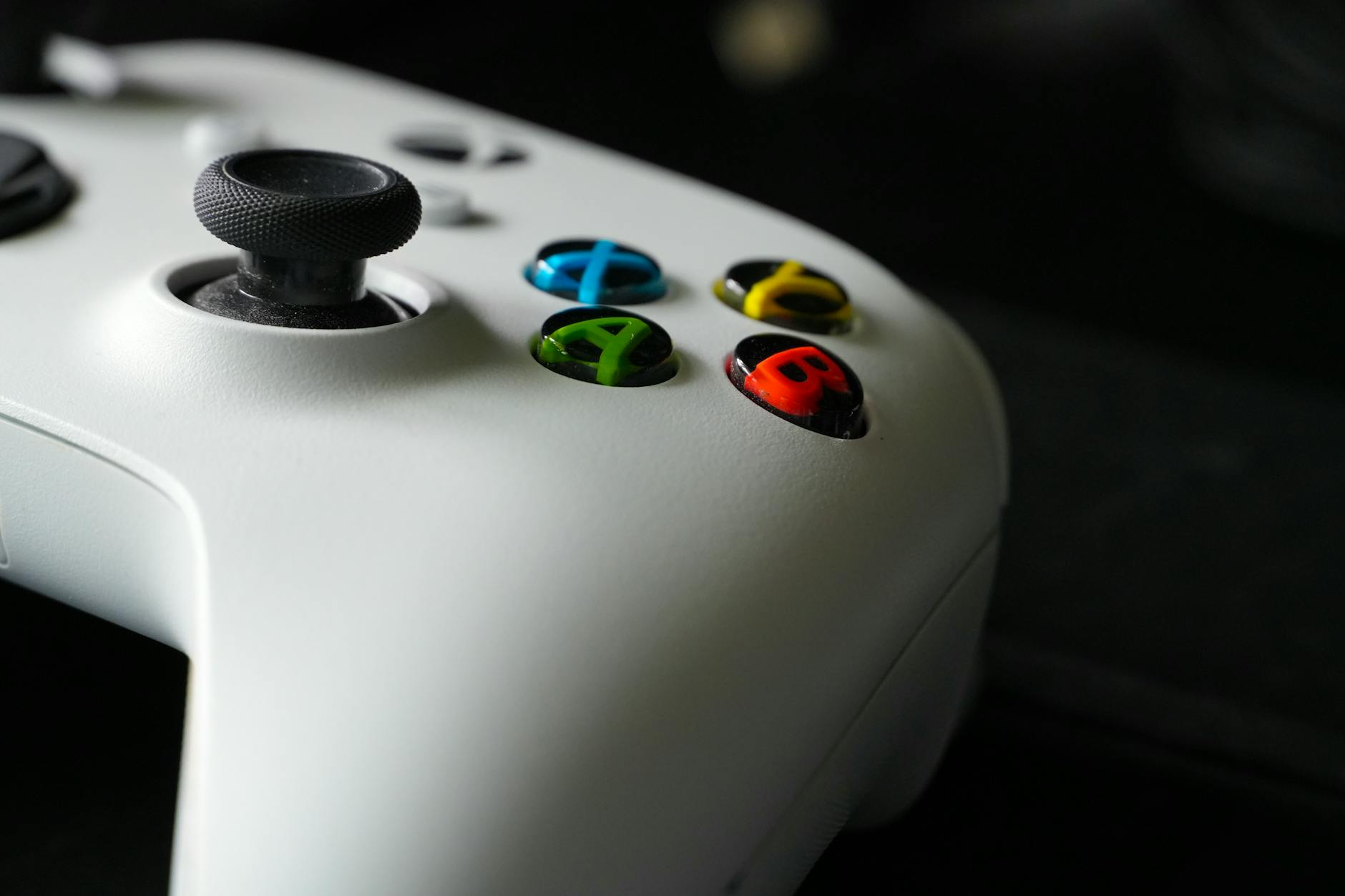
The PlayStation Portal sports Sony’s signature design language with a sleek white finish and DualSense controller split across an 8-inch LCD screen. The ergonomics feel familiar to PS5 owners, with the same button layout, adaptive triggers, and haptic feedback that define the DualSense experience. The device weighs approximately 1.2 pounds, making extended gaming sessions comfortable despite its size.
Logitech’s G Cloud takes a more utilitarian approach with its black and white color scheme and Xbox-inspired button layout. The 7-inch touchscreen sits between controller grips that feel substantial without being bulky. At just over one pound, it’s slightly lighter than the Portal, and the build quality reflects Logitech’s gaming peripheral expertise. The G Cloud’s design prioritizes functionality over flashy aesthetics, resulting in a device that feels purpose-built for cloud gaming.
2. Display and Visual Performance
Sony equipped the PlayStation Portal with an 8-inch 1080p LCD display running at 60Hz. The screen delivers vibrant colors and sharp details that showcase PS5 games effectively, though it lacks the OLED technology found in premium handhelds. The larger screen size provides more immersive gaming, particularly for action games and open-world titles where screen real estate matters.
The G Cloud’s 7-inch 1080p display offers similar resolution but in a more compact form factor. While the screen is smaller, it maintains excellent clarity and color reproduction for cloud gaming. The touch functionality works smoothly for navigating different gaming services, and the display’s brightness holds up well in various lighting conditions. Both devices handle streaming compression artifacts reasonably well, though the Portal’s larger display can make compression more noticeable in fast-moving scenes.
3. Gaming Library and Service Compatibility
The PlayStation Portal’s biggest limitation is also its greatest strength – exclusive compatibility with PS5 Remote Play. This means access to your entire PS5 game library, including physical discs and digital purchases, but only when your console is powered on and connected to the internet. The Portal essentially becomes a wireless extension of your PS5, capable of playing any game in your collection without additional subscriptions.
Logitech’s G Cloud embraces multiple cloud gaming platforms, supporting Xbox Cloud Gaming, NVIDIA GeForce Now, and Google Play Store apps. This versatility provides access to hundreds of games across different services, from Xbox Game Pass titles to Steam games through GeForce Now. The Android-based system also allows sideloading other cloud gaming services, making it the more flexible option for gamers who subscribe to multiple platforms.
4. Performance and Latency
The PlayStation Portal’s performance directly correlates with your home network setup and internet connection quality. Since it streams directly from your PS5, local network performance becomes crucial. The device supports Wi-Fi 5 connectivity and performs exceptionally well on strong home networks, with minimal input lag that makes action games perfectly playable. However, performance suffers significantly on weaker connections or when playing away from home.
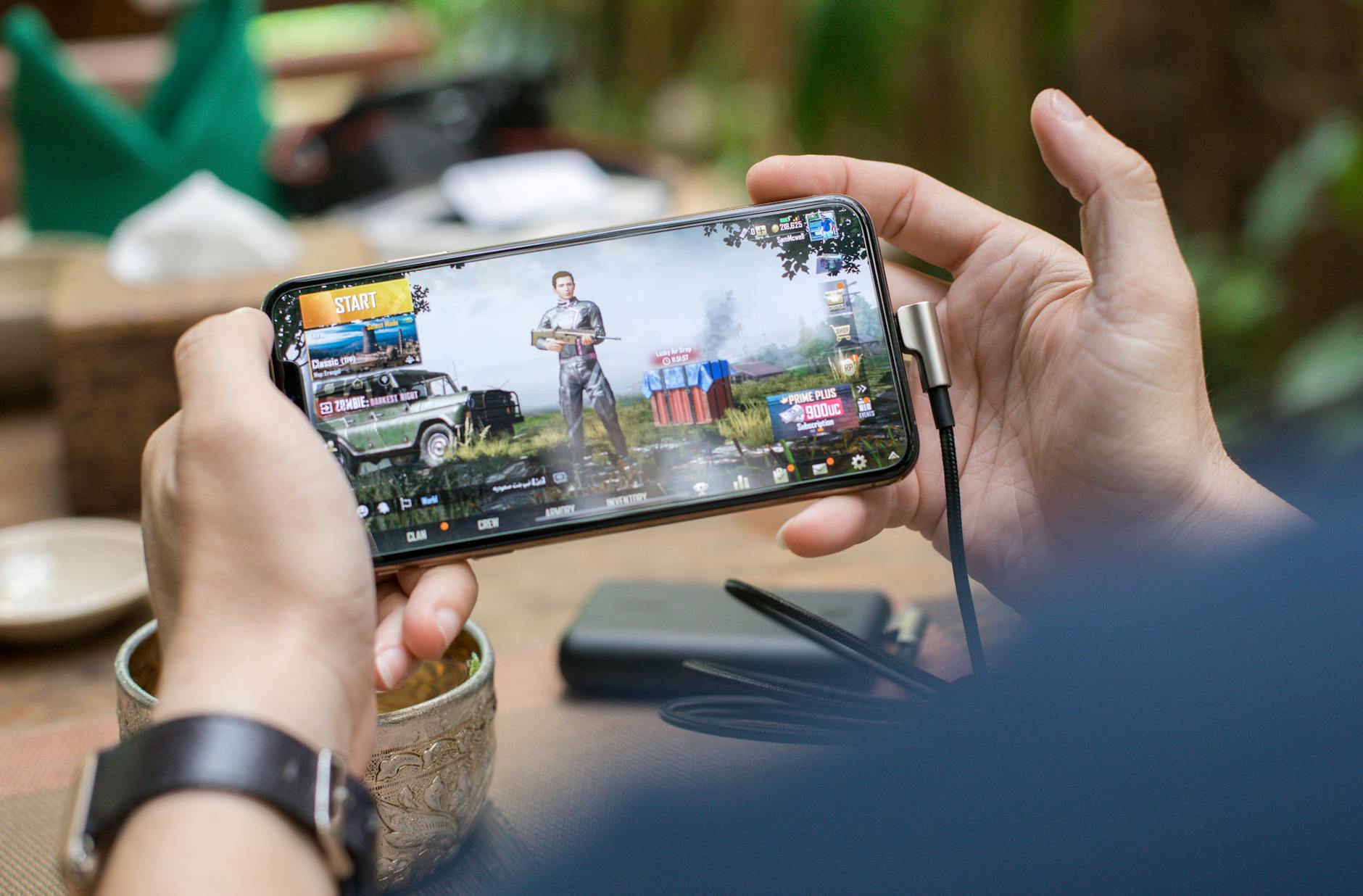
The G Cloud’s performance varies depending on the cloud gaming service and your internet connection to remote servers. NVIDIA GeForce Now typically delivers the best performance with premium subscriptions, while Xbox Cloud Gaming provides consistent results across most game types. The Snapdragon 720G processor handles streaming duties efficiently, and the device rarely shows signs of local processing strain. Battery life during gaming sessions typically ranges from 8-12 hours depending on usage intensity.
5. Connectivity and Network Requirements
Sony recommends a minimum 15 Mbps internet connection for PlayStation Portal, though 25 Mbps or higher delivers the best experience. The device works best on the same network as your PS5, but can connect remotely through the internet with varying results. The Portal supports both 2.4GHz and 5GHz Wi-Fi bands, automatically selecting the best connection available.
The G Cloud requires consistent internet speeds that vary by service – Xbox Cloud Gaming recommends 10 Mbps, while GeForce Now suggests 25 Mbps for optimal quality. The advantage lies in server proximity and redundancy, as cloud gaming services maintain servers worldwide to minimize latency. This makes the G Cloud potentially more reliable when traveling, especially in areas with good mobile internet coverage.
6. Battery Life and Charging
PlayStation Portal delivers approximately 7-8 hours of gaming on a full charge, depending on screen brightness and haptic feedback intensity. The device charges via USB-C and supports fast charging, reaching full capacity in roughly 2.5 hours. Sony includes power management options to extend battery life by reducing haptic feedback and screen brightness.
The G Cloud excels in battery performance, offering 8-12 hours of gameplay depending on the streaming service and settings used. The larger battery capacity reflects the device’s focus on extended gaming sessions away from power outlets. Charging time is similar to the Portal at around 2-3 hours for a full charge, and the device supports playing while plugged in without battery degradation concerns.
7. Price and Value Proposition
The PlayStation Portal launched at $199, positioning it as an accessory for existing PS5 owners rather than a standalone gaming device. The value proposition depends heavily on how much you already invest in PlayStation gaming and whether you need portable access to your console. For dedicated PS5 players, the Portal offers exceptional value as a premium Remote Play device.
Logitech priced the G Cloud at $349, reflecting its broader capabilities and standalone nature. While more expensive upfront, the device provides access to multiple gaming ecosystems without requiring additional hardware purchases. The higher price includes the flexibility to switch between services and the convenience of not needing a home console constantly running.
Which Handheld Wins?
The PlayStation Portal dominates for PS5 owners who primarily game at home or have excellent internet infrastructure. Its seamless integration with Sony’s ecosystem and lower price point make it ideal for extending PS5 gaming throughout the house or nearby locations. The familiar controls and access to your complete game library provide unmatched value for PlayStation enthusiasts.
The Logitech G Cloud serves gamers who want maximum flexibility and don’t mind paying extra for versatility. Its multi-platform approach suits users subscribed to various cloud gaming services or those who travel frequently. The device excels as a standalone gaming solution that doesn’t require owning expensive console hardware, making it particularly appealing for casual gamers exploring cloud gaming options.
Frequently Asked Questions
Can PlayStation Portal play games without a PS5?
No, the Portal requires a PS5 console powered on and connected to stream games via Remote Play.
Which handheld has better battery life?
The Logitech G Cloud offers 8-12 hours compared to the Portal’s 7-8 hours of gaming time.