

Samsung Galaxy Ring vs Oura Ring 4: Which Health Tracker Actually Wins?
Smart rings have quietly moved from novelty to genuine health tool. Both the Samsung Galaxy Ring and the Oura Ring 4 sit on your finger 24 hours a day, tracking sleep, recovery, heart rate, and activity – but they approach the job very differently. Choosing between them is not just about specs. It comes down to what kind of health data you want, how much you want to pay over time, and which ecosystem you already live in.
This comparison breaks down the key categories where these two rings diverge. Some differences are obvious. Others will only matter once you have worn the device for a few weeks and realized what you actually look at every morning.
1. Design and Comfort
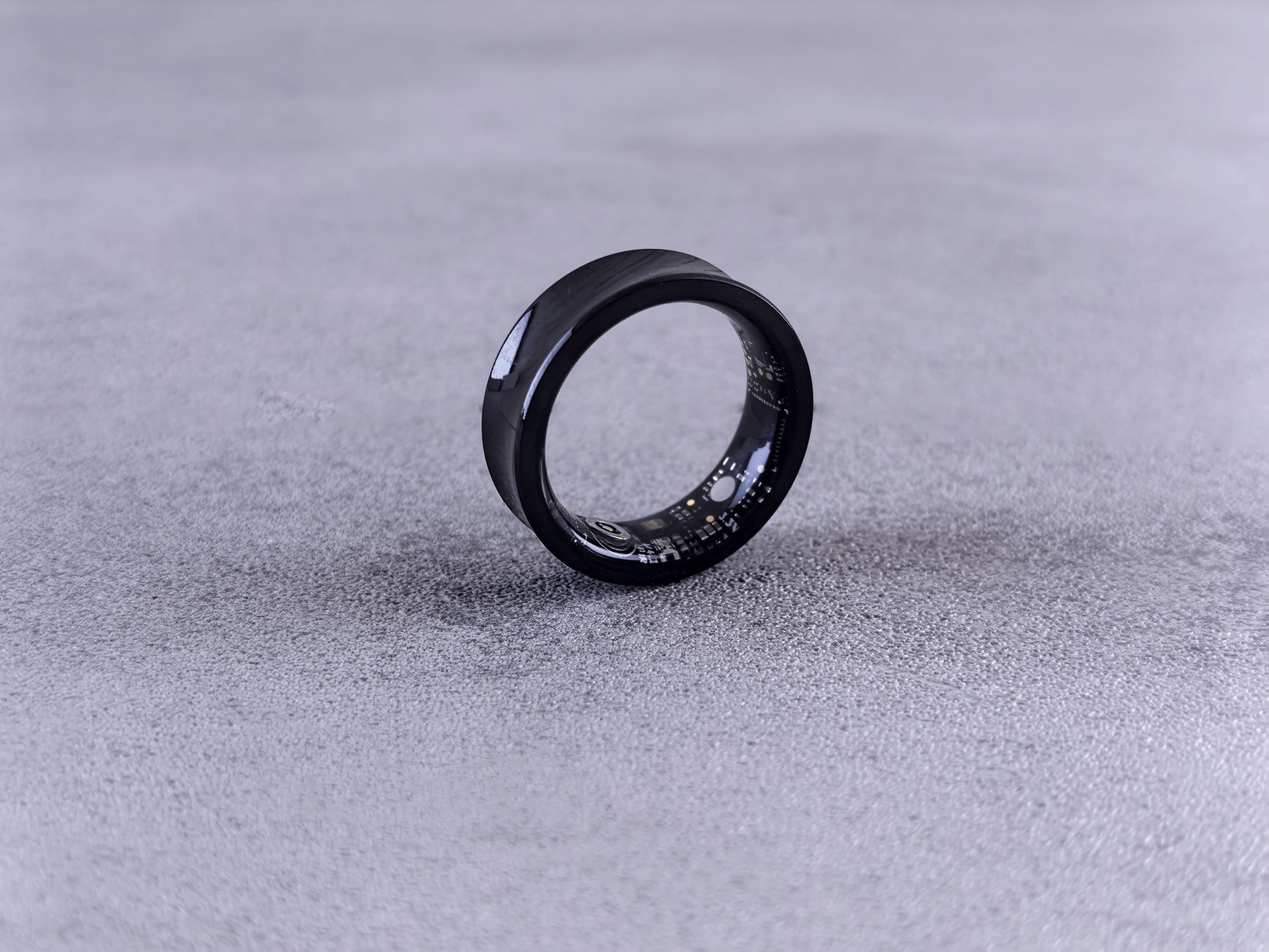
The Samsung Galaxy Ring comes in a titanium finish with a slightly more substantial profile than the Oura Ring 4. It is available in Titanium Black, Titanium Silver, and Titanium Gold, and Samsung offers a sizing kit before purchase – which matters because you cannot resize a ring. The inner surface is smooth and the weight sits comfortably through a full day, including workouts and sleep.
The Oura Ring 4 is thinner and lighter, and that distinction is noticeable after extended wear. The updated inner arc design in the fourth generation moves the sensors flush against the skin without any raised edges, which makes it easier to forget it is there at all. For people sensitive to bulk on their fingers – especially during sleep – the Oura 4’s profile gives it a clear edge.
Both rings are water resistant to 100 meters, which means swimming is not a concern. Neither has a display, which is intentional – the data lives in the companion app. If you have never used a screenless wearable before, the adjustment period is real. You will reach for your phone more than you expect.
2. Health Tracking and Sensor Accuracy
The Oura Ring 4 added two new infrared LEDs in its latest generation, bringing the total to 18 LED sensors. That density allows it to track blood oxygen levels, heart rate, heart rate variability, skin temperature, and respiratory rate with a level of consistency that earlier smart rings could not match. Oura has also spent years refining its sleep staging algorithm, and its sleep data – particularly REM versus deep sleep breakdowns – has been validated in multiple third-party comparisons against clinical sleep studies.
Samsung’s Galaxy Ring tracks a similar set of metrics, including sleep, heart rate, and menstrual cycle tracking through the Samsung Health app. Its Energy Score gives users a single daily readiness number, and the ring feeds data into Samsung’s broader health ecosystem, including Galaxy Watch and Galaxy phones. The integration is smooth if you are already in the Samsung world, but the underlying algorithms are newer and have not yet been tested as broadly over time.
For pure health tracking depth, Oura has the longer track record. Samsung is catching up, and the hardware is solid, but the algorithm maturity that turns raw sensor data into reliable health insights still leans toward Oura – particularly for sleep.
3. Readiness and Recovery Scoring
Oura’s Readiness Score is the feature that built its reputation. Every morning, the ring produces a score out of 100 based on sleep quality, HRV trends, resting heart rate, and body temperature deviation. The score comes with a written breakdown of which factors contributed, and over time the ring learns your personal baselines rather than comparing you to population averages.
Samsung offers an Energy Score that covers similar ground. It pulls from sleep data, activity levels, and heart rate patterns to give you a number that suggests how ready you are for the day. The logic is sound, but Samsung’s personalization layer is still developing. Users who have worn both rings often report that Oura’s score feels more calibrated to their actual subjective state – though this is inherently personal and varies by individual.
4. Sleep Tracking Quality
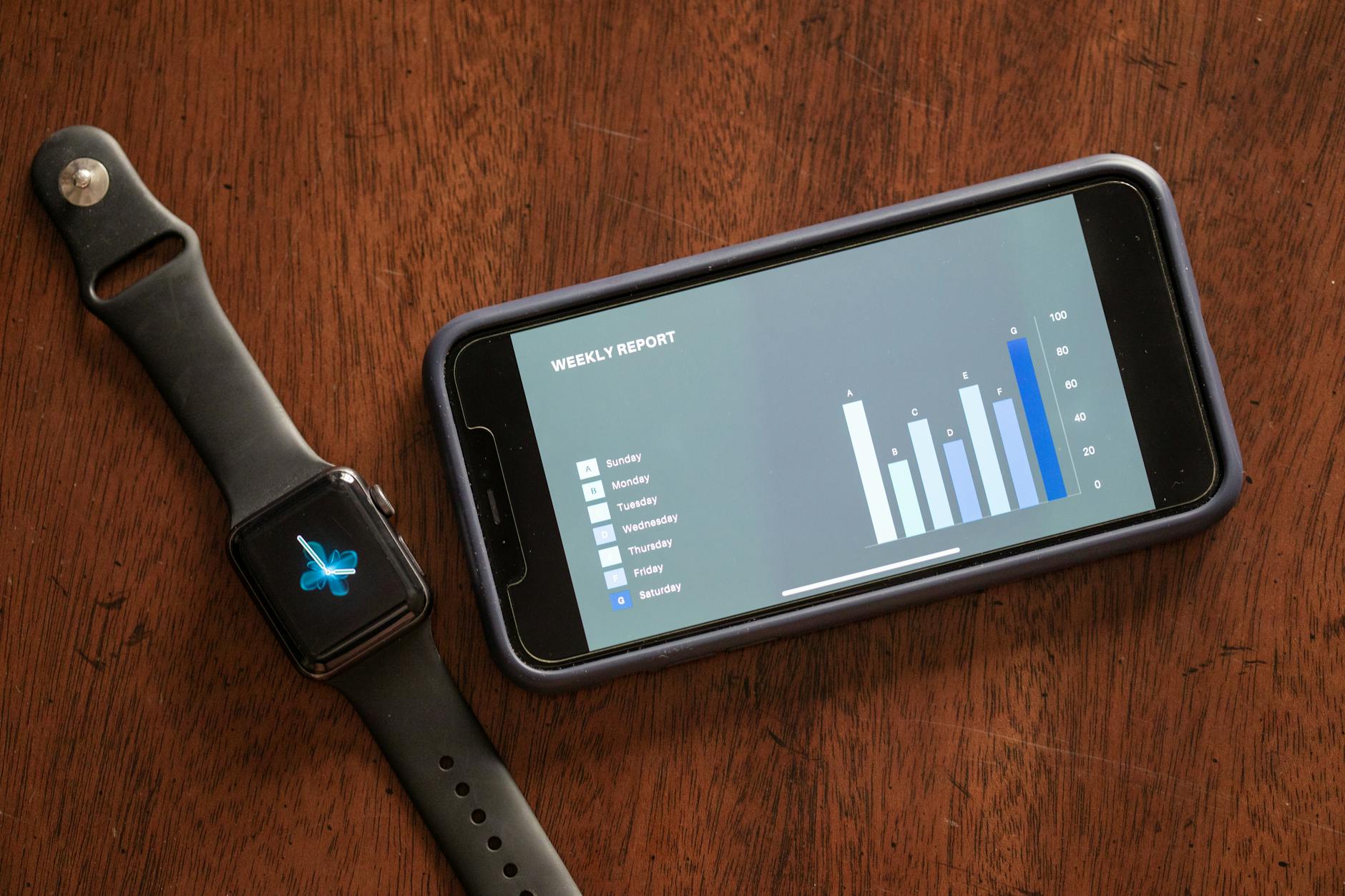
Sleep is where smart rings earn or lose their keep. You wear them all night, they collect continuous data, and the quality of the insights determines whether any of it is useful. Oura Ring 4 tracks sleep stages, timing, latency, efficiency, and disturbances, and it surfaces that information in a readable format without overwhelming you. The temperature tracking adds a layer that most wrist-based wearables cannot replicate as cleanly, since fingers have less movement artifact during sleep.
Samsung Galaxy Ring’s sleep tracking is genuinely capable. It logs sleep stages and produces a Sleep Score, and it integrates with Samsung Health’s broader sleep coaching features. Where it falls short is in contextual depth – the Oura app tells you more about why your sleep scored the way it did, while Samsung tends to report what happened without as much interpretive analysis.
5. App Experience and Data Presentation
The Oura app is among the best-designed health apps available on either iOS or Android. The home screen leads with your three scores – Readiness, Sleep, and Activity – and each one opens into a layered breakdown that rewards curiosity without punishing casual users. The app also includes guided programs, educational content, and trend views that let you look at your health data across weeks and months.
Samsung Health is a larger, more ambitious platform. It aggregates data from multiple Samsung devices, tracks workouts with GPS when paired with a Galaxy phone, and connects to Samsung’s ecosystem of health features. For Galaxy phone users, that breadth is genuinely useful. For anyone outside the Samsung ecosystem – including iPhone users, who are not supported at all – the Galaxy Ring is simply not an option.
This is a meaningful limitation. Oura Ring 4 works with both iOS and Android. Samsung Galaxy Ring requires a Samsung Galaxy phone running Android 11 or later. That single restriction removes a large share of potential buyers before any other comparison even begins.
6. Subscription Cost and Long-Term Value
Oura charges a monthly membership fee after the first year of free access. The fee unlocks the full feature set including advanced insights, personalized recommendations, and ongoing algorithm updates. Without the membership, the ring still tracks and displays basic data, but the depth of analysis that makes Oura worth buying is locked behind the paywall. Over two or three years, that cost adds up to a significant total ownership price beyond the hardware.
Samsung Galaxy Ring has no subscription fee. The full feature set is available through Samsung Health at no additional cost. For users who bristle at ongoing software fees for hardware they have already purchased, this is a real advantage. The absence of a subscription also means Samsung cannot use feature gating as a revenue mechanism – everything the ring can do, it does from day one.
Whether the subscription model is worth it depends on how actively you engage with health data. Casual users who glance at their scores occasionally will get more value from Samsung’s one-time cost structure. People who dig into trends, use guided programs, and want their ring to evolve over time will find Oura’s membership harder to walk away from.
7. Battery Life
Samsung Galaxy Ring claims up to seven days of battery life, which holds up reasonably well in practice with normal tracking enabled. Charging takes about 90 minutes using the included wireless charging case, which itself holds roughly 1.5 additional charges – making it possible to go extended periods without finding a power outlet.
Oura Ring 4 also targets around five to seven days depending on usage, and the fourth generation improved slightly on earlier models in this area. Both rings charge faster than most smartwatches, and neither requires daily charging – which is part of what makes a ring more practical than a watch for continuous biometric monitoring.
8. Who Each Ring Is Actually For
The Samsung Galaxy Ring is built for Samsung users who want health tracking integrated into an existing ecosystem without paying an ongoing fee. It works best as part of a broader Samsung Health setup that includes a Galaxy Watch or Galaxy phone, and it delivers solid fundamentals – sleep tracking, heart rate, readiness – without demanding that you think too hard about the data.
The Oura Ring 4 is for people who treat health tracking as a discipline rather than a background feature. The subscription exists because the value of the ring is largely in the software – the algorithms, the personalization, the interpretive layer that tells you not just what happened but what to do about it. It also works on iPhone, which doubles the addressable audience compared to Samsung’s ring.
If you are already using a Galaxy phone and want a no-fee health ring that works out of the box, Samsung delivers a product that does not ask much of you. If you want the most detailed, app-driven health picture available in a finger-worn form factor – and you are willing to pay for it over time – the Oura Ring 4 is still the standard that other rings are measured against. The question is whether that standard is worth the recurring invoice, or whether good enough is genuinely enough for how you actually live.
Frequently Asked Questions
Does the Samsung Galaxy Ring work with iPhone?
No. The Samsung Galaxy Ring requires a Samsung Galaxy phone running Android 11 or later and is not compatible with iPhone.
Does the Oura Ring 4 require a subscription?
Oura offers one year of free membership with purchase, after which a monthly subscription is required to access the full range of health insights and personalized analysis.
Which ring has better sleep tracking, Samsung Galaxy Ring or Oura Ring 4?
Oura Ring 4 generally provides more detailed sleep stage analysis and contextual explanations, backed by a longer history of algorithm refinement and third-party validation.