

Overview
Eight years is a long gap between consoles, and it shows in how Nintendo approached this one. The Switch 2, released in June 2025 at $449.99, is less a reinvention than a correction of everything the original Switch lived with for too long: a modest 720p screen, a processor that struggled with ambitious ports, and storage that filled up fast. Nintendo kept the hybrid concept and rebuilt nearly everything around it.
The headline specs are a 7.9-inch LCD at 1080p with support for up to 120Hz refresh rates and HDR10, a custom Nvidia chip, 12GB of RAM, and 256GB of built-in storage. Docked, the system can output at 4K. The Joy-Con 2 controllers now attach magnetically instead of sliding on rails, and the body is noticeably larger than the original’s.
The real question is not whether the Switch 2 is faster than its predecessor, because it obviously is. It is whether the hardware, the price, and the launch-era software add up to something worth buying now rather than later.
Pros
The screen finally matches the ambition
The jump from 720p to 1080p sounds like a spec-sheet upgrade, but in daily use it changes how handheld games look. Text in role-playing games is sharper, distant geometry holds together better, and the larger panel gives games room to breathe. Variable refresh rate in handheld mode smooths out the frame-pacing dips that made some original Switch titles feel uneven.
The 120Hz ceiling is more of an option than a promise. Only games built to use it will benefit, and many will not. Where it is supported, the added fluidity makes fast games feel noticeably more responsive.
Docked performance is a different class of machine
The original Switch was always a compromise when plugged into a TV. Games rendered at low resolutions and leaned heavily on upscaling tricks. The Switch 2 closes much of that distance, with 4K output possible and, importantly, a chip that supports modern upscaling techniques so developers can reach sharp images without brute force.
That matters beyond first-party games. The hardware is now capable enough that third-party publishers can bring demanding titles over without the heavy cuts that defined many Switch ports. Whether they do is a business decision, but the technical excuse is largely gone.
Joy-Con 2 are smarter than they look
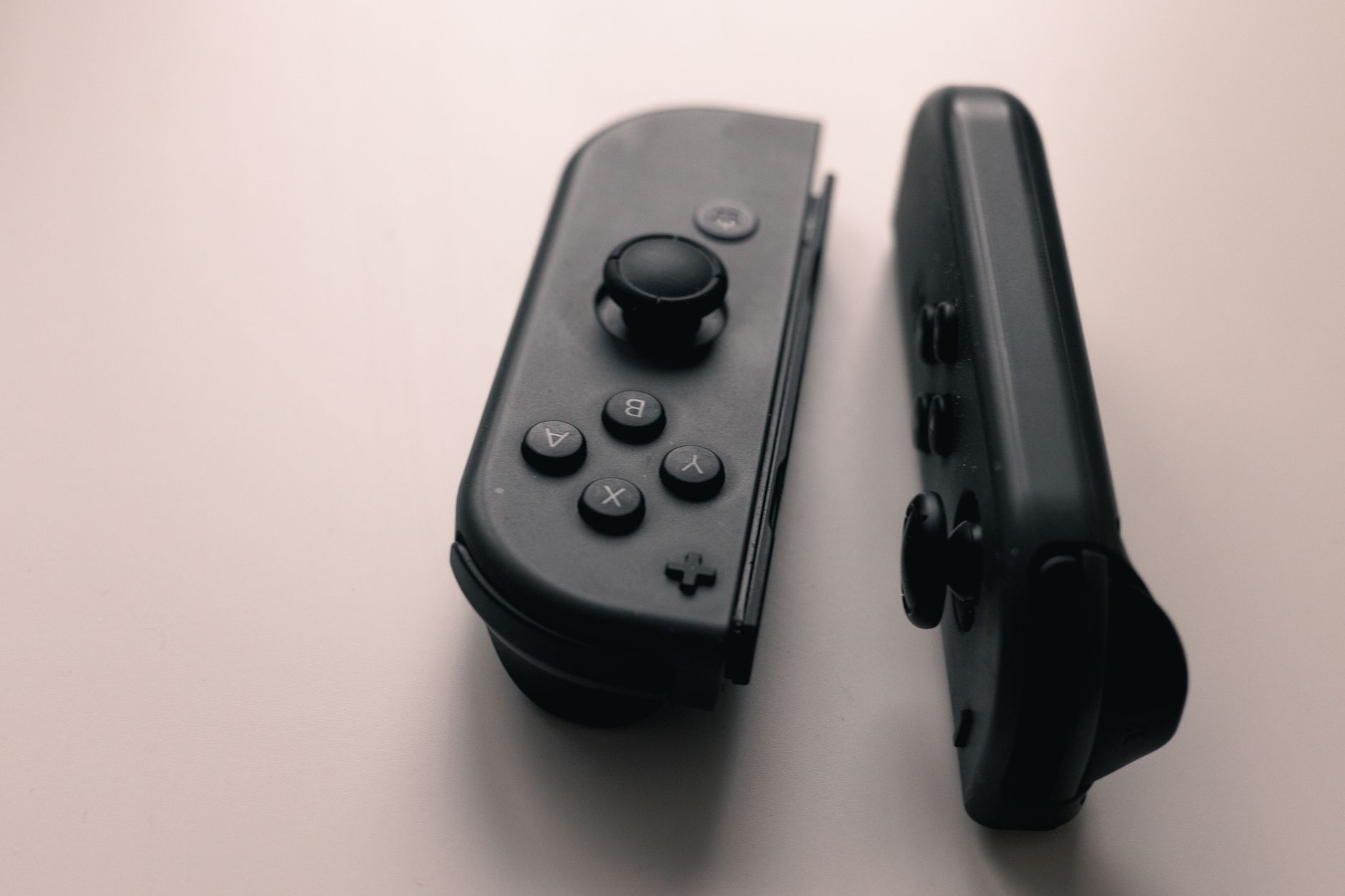
Magnetic attachment is the kind of change that seems minor until you use it. Snapping the controllers on and off is quicker and feels more secure than the old rail system, and the larger Joy-Con sit more comfortably in adult hands. The mouse-style sensor on each controller, which lets you slide it across a flat surface, is the most unusual addition. It will not matter for most games, but it opens up strategy and pointer-based designs that the original hardware never handled well.
The additional C button, which launches the system’s voice and video chat feature, is Nintendo finally acknowledging that people play together online and talk while doing it. After a trial period it requires a Nintendo Switch Online subscription.
Your old library comes along
Backward compatibility is the quiet reason many people will buy this console. Most original Switch games run on the new hardware, and some receive free or paid enhancements that improve resolution and frame rates. That means the system is useful on day one even with a thin new lineup, and your digital purchases are not stranded.
It feels like a premium product
The body is heavier than the original, but the build quality justifies it. The kickstand is sturdier, the dock is more capable, and there are now two USB-C ports, which makes charging and accessory use far less awkward. It feels like a device designed to last through a long console cycle rather than one rushed to market.
Cons
The price is real, and the games cost more too
At $449.99, the Switch 2 costs substantially more than the console it replaces. A flagship launch game priced at $79.99 pushes the total further, and that is before you buy a second pair of controllers or a microSD Express card.
For households that want multiple players, the cost compounds fast. Nintendo has historically sold value through longevity and first-party quality, but this is the first time that argument requires a noticeably larger upfront commitment.
An LCD where many wanted an OLED
The original Switch’s OLED model set a standard for contrast and color that many players came to prefer. The Switch 2 uses an LCD, and while it is a good one, black levels and contrast cannot match an OLED panel. The HDR support is also limited by the panel’s brightness and local dimming capability, so HDR here is more a feature than a highlight.
This is the compromise most likely to be revisited in a later model, which is a frustrating thought if you are paying launch price.
Storage gets expensive quickly
The 256GB of built-in storage is generous compared to the original, but modern games are large and the library will fill quickly. The system also requires microSD Express cards for expansion, which are pricier than the standard microSD cards many owners already have. Older cards cannot be used for Switch 2 games.
Some publishers have also adopted Game-Key Cards, physical cartridges that act as a license while the actual game downloads to the console. Buyers who prefer physical media may find the box contains less than they expected.
Battery life is a trade-off
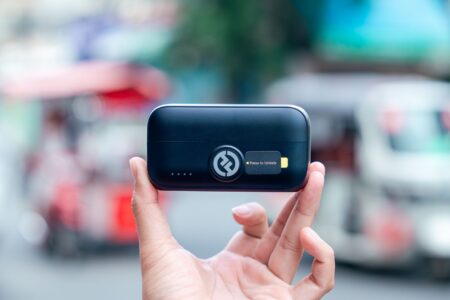
Nintendo rates battery life at roughly two to six and a half hours depending on the game, which is a wide range. Demanding titles at high brightness will sit at the lower end. This is not unusual for a handheld with a brighter, higher-resolution screen and a more powerful chip, but it is a reminder that portability has limits. If you want a pure portable gaming device with a very different approach, the Ayaneo Pocket S takes a different route entirely, though it trades Nintendo’s library for Android flexibility.
The launch lineup is thin
This is the oldest console launch problem, and the Switch 2 does not escape it. Mario Kart World is a strong centerpiece, and enhanced versions of earlier Nintendo games help fill gaps, but the variety at launch is limited. Players who want a deep catalog of new, exclusive experiences will find the first months leaner than the hardware deserves.
Verdict
The Switch 2 is a confident, well-built console that fixes nearly every hardware complaint people had about the original. The screen is better, the docked experience is far stronger, the controllers are smarter, and the backward compatibility makes it useful immediately. It is not flawless. The price is high, the display skips OLED, and the first-party lineup needs time to prove itself.
Who should buy it now: anyone who plays their Switch regularly and wants better performance on existing games, households that will use it as a main TV console, and fans who want Nintendo’s next generation of first-party releases as they arrive. If you already own a large Switch library, the enhanced versions and smoother performance make the upgrade easy to justify.
Who should wait: casual players who use their original Switch a few times a month, buyers on a tight budget, and anyone hoping for an OLED screen or a bigger launch library. A price drop, a bundle, or a stronger release calendar will make the purchase easier.
Our recommendation is a qualified yes. The hardware justifies the wait, and for committed players the Switch 2 is the better console by a wide margin. For everyone else, the case rests on games that have not all been released yet, and that is a harder thing to review than a screen.
Nintendo has built the machine. The remaining question is whether it can fill a 256GB drive with games worth keeping.