


The mid-range Android market has never been more competitive. Google’s Pixel 8a and OnePlus 12R represent two different philosophies for delivering flagship-level performance at accessible prices. One prioritizes computational photography and AI features, while the other focuses on raw power and premium design.
Both phones launched in 2024 targeting the crucial $400-600 price segment where most consumers actually buy their devices. The Pixel 8a carries Google’s signature camera prowess and clean Android experience, while the OnePlus 12R brings flagship-tier performance with a more aggressive price point.
1. Design and Build Quality: Premium Looks, Different Approaches
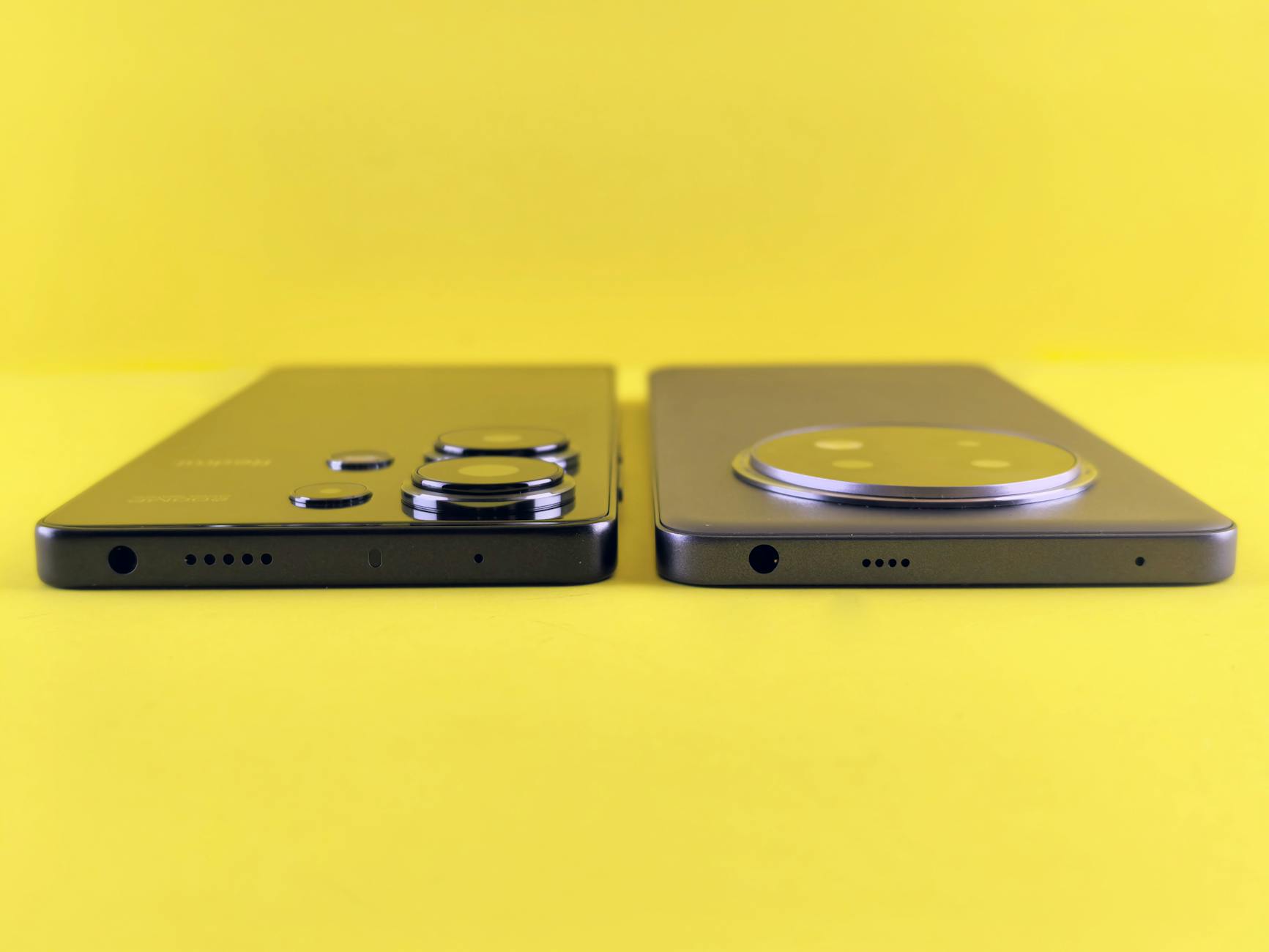
The OnePlus 12R clearly wins the design contest with its glass back, aluminum frame, and flagship-inspired aesthetics. The curved edges and premium materials make it feel like a phone that costs twice its actual price. OnePlus managed to bring the same design language from their flagship OnePlus 12 down to this more affordable model.
Google’s Pixel 8a takes a more practical approach with its plastic back and aluminum frame. While it doesn’t scream premium like the OnePlus, the build quality remains solid and the phone feels comfortable during extended use. The camera bar design is polarizing – you either love the distinctive look or find it unnecessarily bulky.
Both phones offer IP54 water resistance, though neither reaches the IP68 standard found in true flagships. The OnePlus 12R is noticeably larger and heavier, which some users will appreciate for the screen real estate but others might find cumbersome for one-handed use.
2. Display Performance: Size Matters, But So Does Optimization
The OnePlus 12R dominates with its massive 6.78-inch curved OLED display running at 120Hz. The screen quality rivals flagship phones with excellent brightness levels and vibrant colors. The larger canvas makes media consumption, gaming, and productivity tasks more enjoyable. OnePlus also includes useful features like DC dimming for reduced eye strain.
Google’s Pixel 8a features a more modest 6.1-inch OLED panel, also at 120Hz refresh rate. While smaller, the display benefits from Google’s excellent calibration and color science. The screen gets plenty bright for outdoor use and maintains the smooth scrolling experience you’d expect from a modern Android phone.
The size difference becomes the deciding factor here. If you prioritize screen real estate for videos, games, or multitasking, the OnePlus 12R delivers significantly more viewing area. However, users who prefer compact phones or one-handed operation will gravitate toward the Pixel 8a’s more manageable dimensions.
3. Performance and Gaming: Raw Power vs Smart Optimization
OnePlus 12R absolutely crushes the performance battle with its Snapdragon 8 Gen 2 processor – the same flagship chip that powered 2023’s premium phones. Combined with up to 16GB of RAM, this phone handles any task you throw at it. Gaming performance is exceptional, with titles like Genshin Impact and Call of Duty Mobile running at maximum settings without thermal throttling.
The Pixel 8a runs Google’s custom Tensor G3 chip, which prioritizes AI processing over raw computational power. While it handles daily tasks smoothly, demanding games and intensive applications show noticeable performance gaps compared to the OnePlus. However, the Tensor chip enables exclusive AI features that Snapdragon phones can’t match.
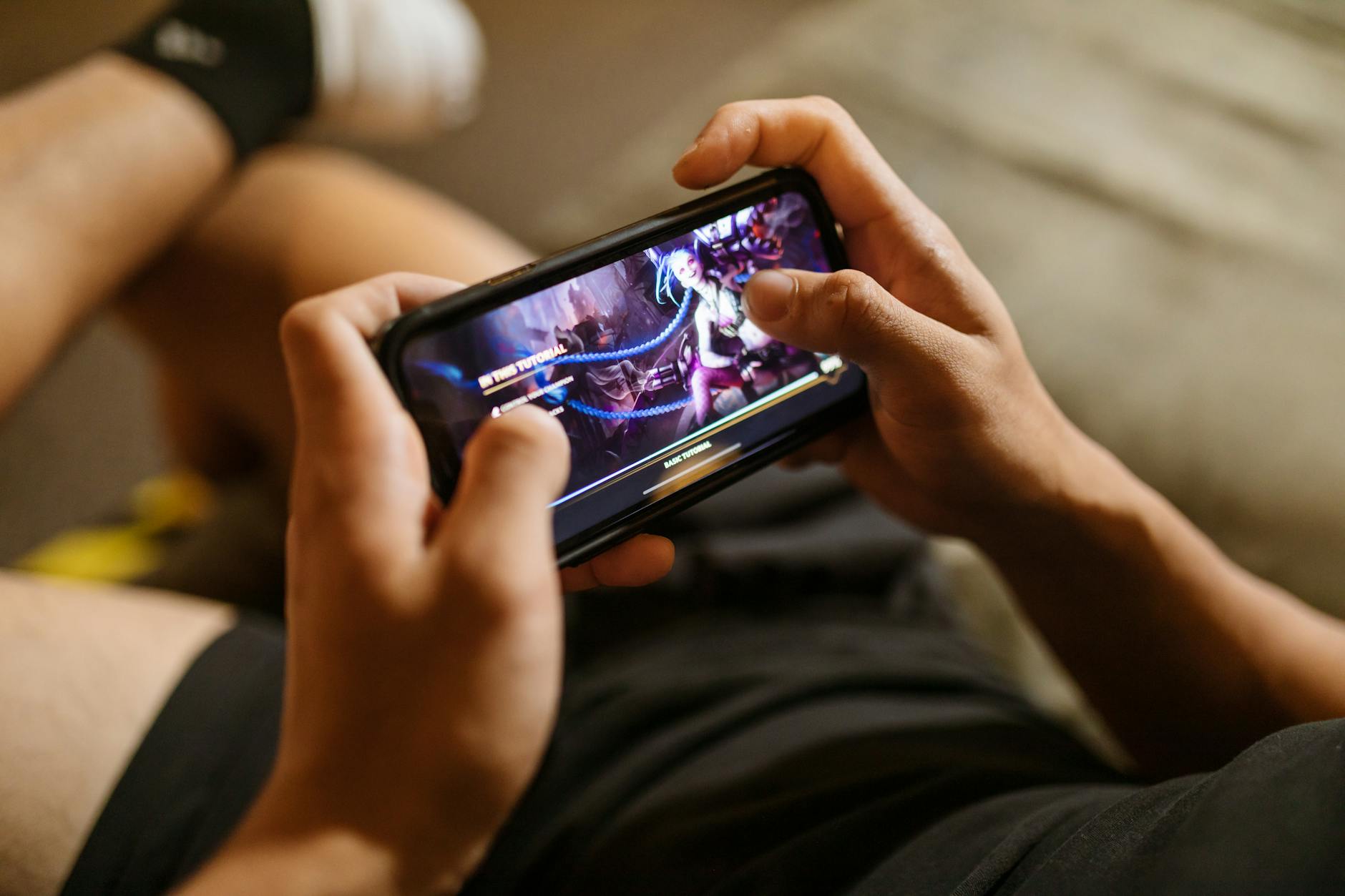
Benchmark scores tell the story clearly – the OnePlus 12R delivers flagship-level performance while the Pixel 8a operates more like a traditional mid-range device. For power users, gamers, or anyone who keeps dozens of apps open simultaneously, the OnePlus represents significantly better value for performance-focused tasks.
4. Camera Systems: Computational Photography vs Hardware Specs
Google’s camera expertise shines through the Pixel 8a’s relatively modest hardware. The main 64MP sensor produces consistently excellent photos with outstanding dynamic range, natural colors, and impressive low-light performance. Google’s computational photography algorithms work magic, especially in challenging lighting conditions. Features like Magic Eraser, Face Unblur, and Night Sight deliver results that often exceed what the hardware specifications suggest.
The OnePlus 12R counters with a more traditional approach – better hardware specifications across the board. The 50MP main camera, 8MP ultra-wide, and 2MP macro setup provide versatility, though the image processing doesn’t quite match Google’s sophistication. OnePlus cameras tend to produce more saturated, social media-ready images that look punchy but sometimes sacrifice natural color reproduction.
Video recording capabilities favor the OnePlus 12R with more resolution options and better stabilization hardware. However, the Pixel 8a’s computational video features like Action Pan and Long Exposure create unique creative possibilities that hardware alone can’t replicate. Photography enthusiasts who prioritize consistent, natural-looking results will prefer the Pixel approach.
5. Software Experience: Pure Android vs Feature-Rich Customization
Google provides the definitive Android experience with the Pixel 8a – clean, fast, and guaranteed to receive updates first. The integration between hardware and software feels seamless, with exclusive features like Call Screen, Car Crash Detection, and Live Translate working flawlessly. Google promises seven years of security updates, making this phone a long-term investment.
OnePlus OxygenOS has evolved significantly, offering extensive customization options while maintaining good performance. The software includes useful features like parallel apps, gaming mode enhancements, and detailed battery management tools. However, OnePlus has a less consistent update track record, and some users find the customizations overwhelming compared to stock Android’s simplicity.
The choice here depends entirely on personal preference. Users who want the purest Android experience with guaranteed updates should choose the Pixel 8a. Those who enjoy customizing their phone’s interface and want additional features will appreciate OxygenOS on the OnePlus 12R.
6. Battery Life and Charging: Capacity vs Efficiency
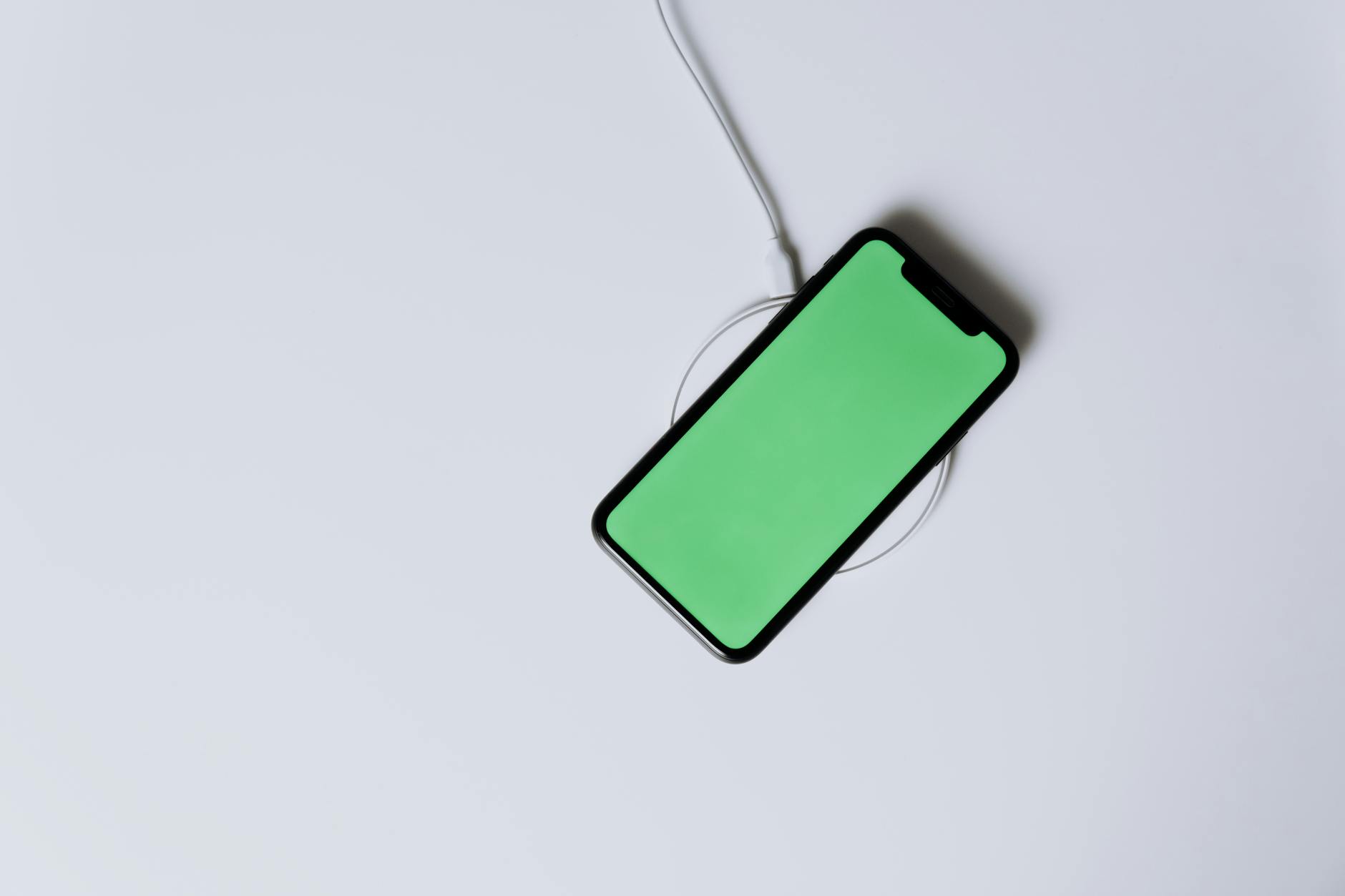
The OnePlus 12R packs a substantial 5,500mAh battery that easily delivers all-day usage even with heavy screen-on time. The included 100W fast charging reaches full battery in approximately 30 minutes, making range anxiety virtually nonexistent. This combination of large capacity and ultra-fast charging creates the best battery experience in this price range.
Google’s Pixel 8a includes a smaller 4,492mAh battery but benefits from Tensor G3’s efficiency optimizations and Google’s adaptive battery management. Real-world usage typically provides full-day battery life for moderate users, though heavy usage might require afternoon charging. The phone supports 18W wired charging and 7.5W wireless charging – both significantly slower than OnePlus standards.
Power users who frequently travel, game extensively, or simply prefer not thinking about battery management will strongly favor the OnePlus 12R. The charging speed difference becomes particularly noticeable during busy days when every minute of charging time matters. Similar to other premium device comparisons like Apple AirPods Pro 3 vs Sony WF-1000XM5, the choice often comes down to prioritizing different strengths.
7. Value Proposition: Different Strengths for Different Users
The OnePlus 12R delivers exceptional value for performance-focused users. You get flagship-level processing power, premium design, excellent battery life, and blazing-fast charging at a mid-range price point. It’s ideal for gamers, power users, and anyone who wants maximum phone performance without flagship pricing.
Google’s Pixel 8a targets users who prioritize camera quality, software experience, and long-term support over raw specifications. The computational photography capabilities, clean Android interface, and seven-year update commitment create value that extends well beyond the initial purchase. It’s perfect for photography enthusiasts and users who prefer simplicity over customization.
Both phones succeed in their respective approaches to mid-range excellence. The OnePlus 12R wins on almost every measurable specification, while the Pixel 8a excels in areas that are harder to quantify but equally important for daily satisfaction. Your personal priorities – whether performance, photography, software experience, or long-term support – will determine which phone offers better value for your specific needs.
Frequently Asked Questions
Which phone has better performance, Pixel 8a or OnePlus 12R?
OnePlus 12R significantly outperforms Pixel 8a with its Snapdragon 8 Gen 2 processor and up to 16GB RAM, making it better for gaming and heavy multitasking.
Does Pixel 8a or OnePlus 12R have better cameras?
Pixel 8a delivers superior photo quality through Google’s computational photography, while OnePlus 12R offers more camera versatility but less sophisticated image processing.