

Two Watches, One Very Different Philosophy
The Garmin Fenix 8 and Apple Watch Ultra 2 occupy the same price tier and target roughly the same buyer – someone who wants a watch that can survive serious outdoor conditions without flinching. But spending time with both reveals that they solve the rugged smartwatch problem in almost opposite ways. Garmin builds from the outside in: start with endurance hardware, add software around it. Apple builds from the inside out: start with a polished OS, then case it in titanium and call it adventure-ready.
Which approach actually wins depends entirely on how you use a watch. This comparison breaks down eight specific categories where the two diverge most sharply – battery life, navigation, fitness tracking depth, display quality, smart features, durability, audio capabilities, and value for money. No overall winner declared at the end, because the honest answer is that neither watch is objectively better. They are built for different people wearing the same price tag.
1. Battery Life
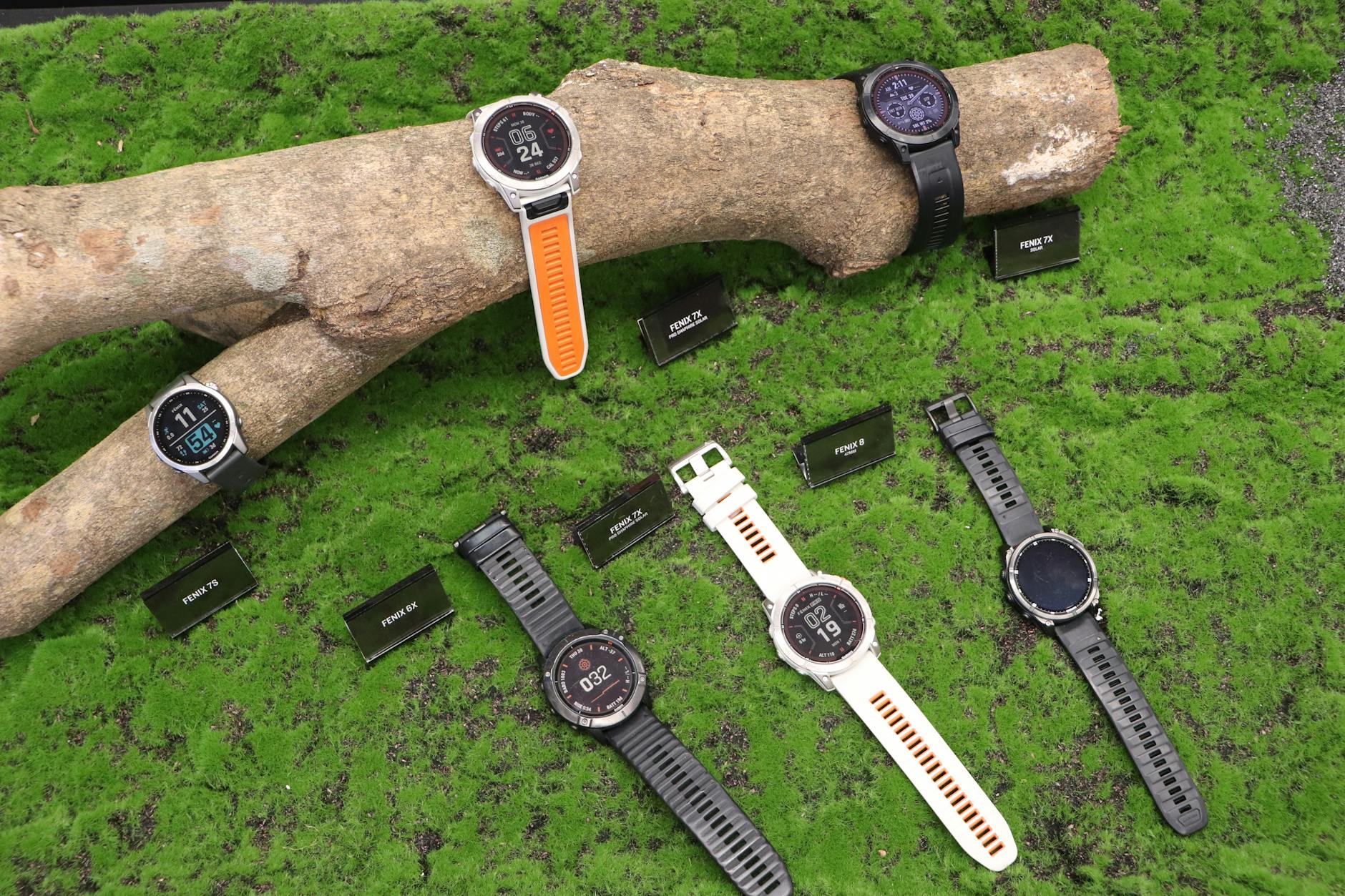
Garmin wins this category without much debate. The Fenix 8 delivers up to 29 days in smartwatch mode and around 43 hours with full GPS active, depending on the variant. The Solar models push those numbers further on clear days. Apple Watch Ultra 2 offers roughly 60 hours in low-power mode with GPS, which is genuinely improved over previous Apple Watch generations – but it is still measured in days, not weeks.
For weekend hikers or gym users who charge nightly, Ultra 2’s battery is perfectly adequate. For multi-day backcountry trips, mountaineering expeditions, or ultramarathons where charging is not an option, the Fenix 8’s endurance is not a preference – it is a requirement. Garmin also supports solar charging on select models, which in sunny conditions can meaningfully extend runtime without any behavioral change from the user.
Apple has made real progress here, and the Ultra 2’s 60-hour ceiling does cover most marathon or triathlon events comfortably. But Garmin’s lead in this category is large enough that for serious endurance athletes, the battery alone often makes the decision.
2. Navigation and Mapping
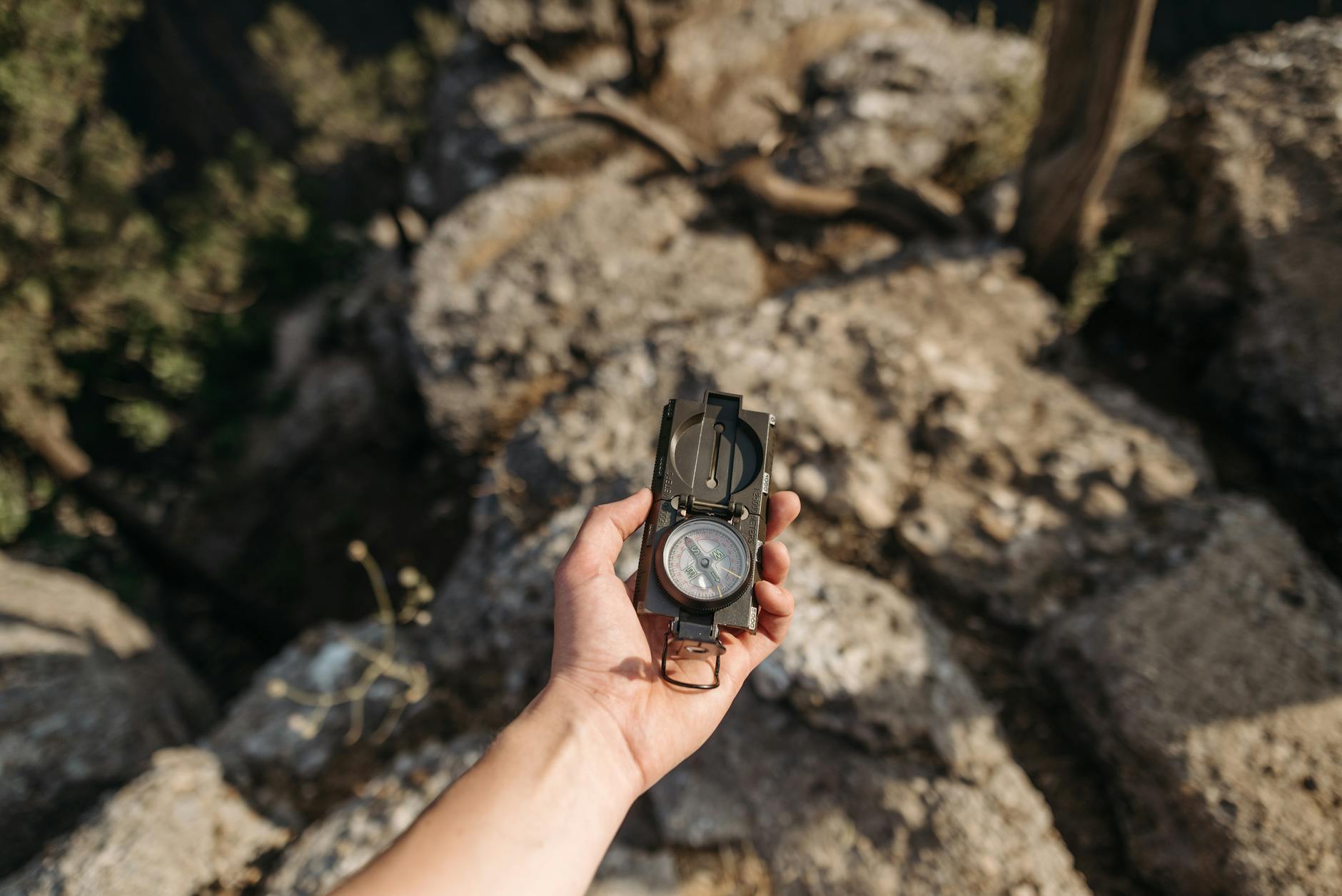
The Fenix 8 runs full onboard topographic maps across most versions, with multi-band GPS using multiple satellite systems simultaneously for accuracy in dense forests or deep canyons. It supports route creation directly on the watch, real-time navigation with turn-by-turn prompts, back-to-start routing, and course deviation alerts. Garmin has spent decades building navigation hardware, and it shows in the depth of what the Fenix 8 can do offline.
Apple Watch Ultra 2 supports offline maps through Apple Maps, and the Precision Finding feature works well for certain use cases. But it remains more dependent on a paired iPhone to unlock its full navigation capability. The watch can display routes and provide turn-by-turn guidance, but the mapping experience is less granular than Garmin’s and the offline functionality does not match what a Fenix 8 can do standing alone in the middle of nowhere with no cell signal.
3. Fitness Tracking Depth
Garmin’s ecosystem is structured around serious athletic performance data. The Fenix 8 tracks training load, recovery time, VO2 max, anaerobic threshold, sleep stages, body battery, HRV status, and sport-specific metrics for over 30 activity types. Climbers, trail runners, triathletes, and cyclists will find purpose-built modes with data fields that match how coaches and athletes actually think about training. The watch does not just log workouts – it interprets them and suggests recovery windows or training intensity adjustments.
Apple Watch Ultra 2 tracks fitness well by any normal standard. Its heart rate accuracy is strong, it handles running metrics cleanly, and it integrates tightly with third-party apps like Strava, Whoop-adjacent tools, and cycling platforms. But it does not provide the layered performance analytics that Garmin does natively. To get comparable depth on an Apple Watch, you are often stitching together multiple apps, each requiring its own subscription.
For casual to intermediate athletes, Apple’s approach is actually less overwhelming. For competitive athletes who want all training data in one unified system, Garmin’s native depth is hard to match.

4. Display Quality
Apple Watch Ultra 2 carries a 2000-nit LTPO OLED display – one of the brightest and sharpest screens on any wearable. Colors are vivid, touch response is fast, and the always-on mode looks premium even in direct sunlight. For users who prioritize screen experience, the Ultra 2 simply looks better.
The Fenix 8 uses an AMOLED display on most current models, a notable upgrade from the earlier MIP screens on previous Fenix generations. It is sharp and readable outdoors, though it does not quite reach the peak brightness of the Ultra 2. The trade-off is intentional: AMOLED on a Garmin is tuned for battery efficiency and outdoor visibility rather than pure visual impact. The Sapphire Solar variants still offer MIP for those who prioritize battery longevity over display quality.
5. Smart Features and Ecosystem
Apple Watch Ultra 2 runs watchOS, which means tight integration with iPhone, iMessage, Apple Pay, Siri, AirPods handoff, and a sprawling App Store. For iPhone users, the watch functions as a natural extension of the phone – notifications, calls, third-party apps, and home automation controls all work with minimal friction. This is where Apple’s software experience genuinely outpaces Garmin.
Garmin Connect is a powerful platform, but it is narrower. The app ecosystem is smaller, the OS is less polished, and daily smartwatch features like contactless payments (available through Garmin Pay) and voice assistants are functional but not deeply integrated into the experience. If you rely on your watch as a communication device throughout the day, the Ultra 2’s ecosystem does more.
It is worth being direct here: if someone is already deep in Apple’s ecosystem and does not need multi-week battery life, the Ultra 2 is a more capable daily device. Garmin dominates in the field, Apple dominates in the calendar.
6. Durability and Build
Both watches meet MIL-STD-810 testing standards and carry high water resistance ratings – the Ultra 2 is rated to 100 meters, while the Fenix 8 Sapphire carries a 100-meter rating as well. Both use titanium cases and sapphire crystal glass on premium configurations. On paper, the durability specs are nearly identical.
In practice, Garmin’s design language skews more toward functional ruggedization: raised bezels that protect the screen from direct impact, textured buttons engineered for glove use, and a form factor built around field operation rather than aesthetics. The Ultra 2 is durable, but it is durable in the way a luxury product is tested against damage – the Fenix 8 is durable the way a piece of expedition equipment is designed around it.
7. Audio and Dive Features
The Fenix 8 introduced a built-in speaker and microphone, enabling phone calls and audio prompts directly from the watch. More notably, the Fenix 8 Dive variants support dive computer functionality with multi-gas mode support and dive log integration – something no Apple Watch offers. For divers specifically, the Fenix 8 is the clear choice.
Apple Watch Ultra 2 also includes a speaker and microphone and supports Oceanic Plus for recreational diving up to 40 meters via a third-party subscription app. It handles snorkeling and casual dives well. But for technical diving or serious underwater data tracking, the Fenix 8’s dedicated dive modes are more capable and do not require an additional paid app to unlock basic functionality.
8. Value for Money
Both watches sit in the $700 to $900 range depending on configuration. The Fenix 8 Sapphire Solar pushes toward the higher end, as does the Ultra 2 with a premium band. At this price, neither represents casual spending, and value becomes a question of which feature set aligns with actual use.
The Fenix 8 packs hardware that would cost significantly more spread across dedicated devices – a GPS navigator, a dive computer, a training analytics platform, and a multi-week battery in a single wrist unit. For athletes who would otherwise carry multiple devices, the consolidation alone justifies the price. The Ultra 2 justifies its cost through ecosystem depth, display quality, and the premium daily-wear experience that Garmin has never quite prioritized.
A practical way to decide: if you have ever been frustrated that your phone died mid-hike, or needed offline maps in a place with no signal, or wanted two weeks of battery without planning around charging – buy the Fenix 8. If you want a watch that handles adventure but also functions as your best smartwatch for the other 20 days a month you are not in the wilderness, the Ultra 2 makes a stronger case. The gap between them is not about quality. It is about which compromises you would rather live with.