



Developer laptops have evolved beyond basic specs and sleek designs. Today’s programmers need machines that adapt to changing workflows, support hardware upgrades, and deliver consistent performance across diverse development environments. Two laptops stand out for their modular approach to professional computing: Framework’s customizable flagship and System76’s Linux-first powerhouse.
1. Build Quality and Design Philosophy
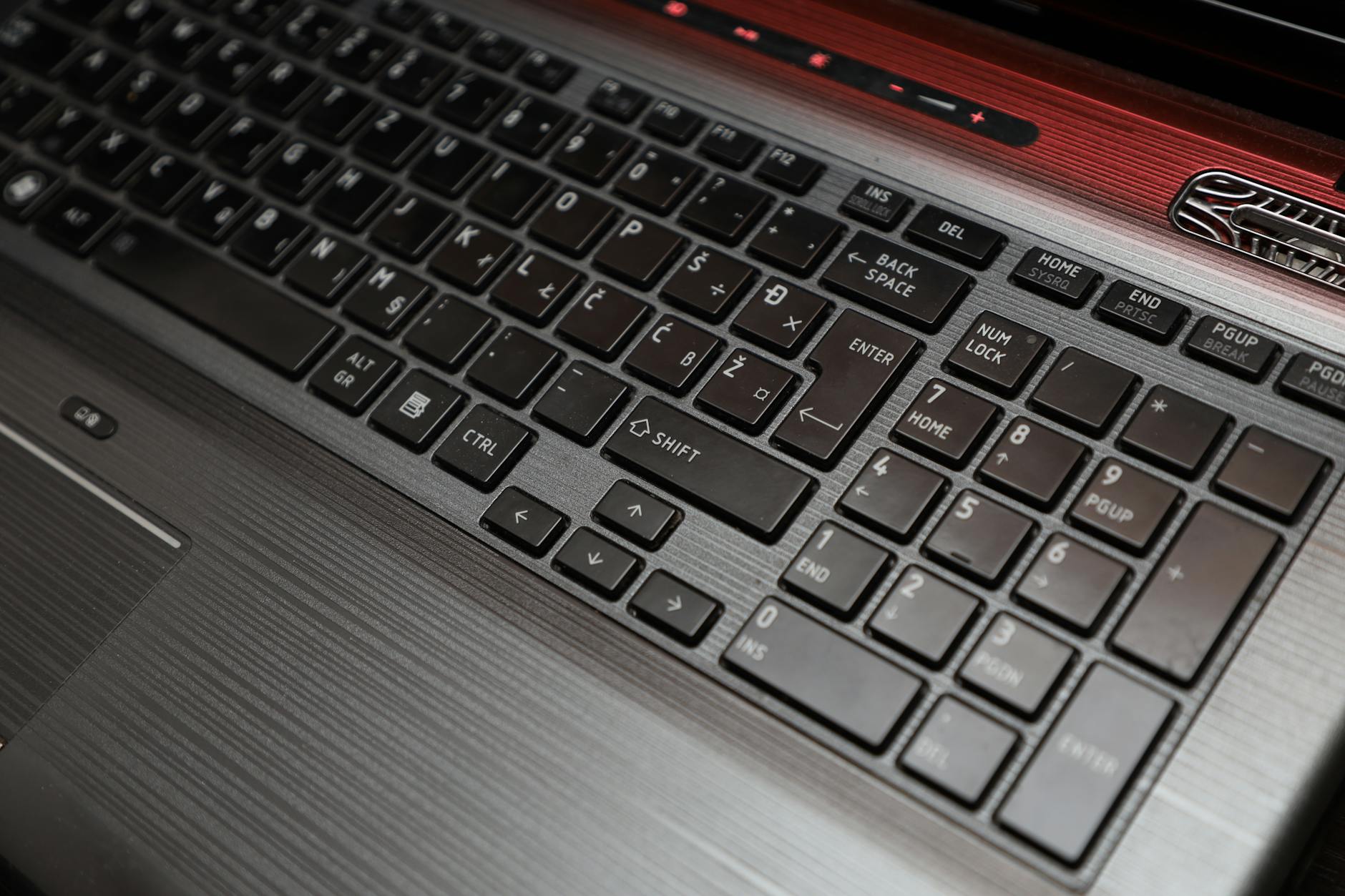
Framework Laptop 16 represents a revolutionary approach to laptop construction. Every component connects through standardized modules, from ports to the GPU. The aluminum chassis feels solid despite its modular nature, with precise tolerances that eliminate flex during typing. Framework’s design prioritizes user control over manufacturer lock-in, allowing developers to swap components as needs evolve.
System76 Oryx Pro takes a more traditional approach to premium build quality. The laptop features a robust aluminum construction with excellent thermal management through strategically placed vents. While not modular like the Framework, System76 focuses on providing immediate access to internals for RAM and storage upgrades. The build emphasizes durability over modularity, targeting developers who need reliable workstations for intensive coding sessions.
Both laptops avoid the ultra-thin trend that sacrifices functionality for aesthetics. Framework measures slightly thinner when configured with standard modules, while Oryx Pro’s additional thickness accommodates superior cooling for sustained workloads.
2. Performance and Processing Power
Framework Laptop 16 offers Intel’s latest generation processors with optional discrete GPU modules. The modular GPU system allows developers to choose between integrated graphics for battery life or dedicated cards for AI development and gaming. Framework’s thermal design adapts based on configuration, ensuring consistent performance whether running lightweight web development or resource-intensive machine learning training.
System76 Oryx Pro comes standard with high-performance Intel processors and NVIDIA RTX graphics cards. The laptop targets developers who need consistent GPU acceleration for tasks like video editing, 3D rendering, or CUDA programming. System76’s Pop!_OS optimization provides better performance for Linux-based development workflows compared to generic Windows installations.
Performance differences emerge in sustained workloads. Oryx Pro maintains higher clock speeds longer due to superior cooling, while Framework’s modular design allows future GPU upgrades that could surpass current Oryx Pro configurations.
3. Port Selection and Expandability
Framework’s revolutionary port system transforms laptop connectivity. Developers choose exactly which ports they need through swappable modules: USB-A, USB-C, HDMI, microSD, or even specialized connectors for specific workflows. Need four USB-A ports for legacy hardware? Configure accordingly. Working with modern peripherals? Load up on USB-C modules. This flexibility eliminates dongles and adapters that clutter developer workspaces.

System76 Oryx Pro provides comprehensive connectivity out of the box. Multiple USB ports, HDMI, mini DisplayPort, and Ethernet ensure compatibility with existing development setups without additional purchases. The fixed port selection covers most developer needs, though it lacks Framework’s adaptability for changing requirements.
Framework’s expandability extends beyond ports. The company promises graphics card upgrades, additional storage bays, and even keyboard layout changes. System76 focuses expandability on traditional upgrades: RAM, storage, and Wi-Fi cards through easily accessible panels.
4. Operating System and Software Integration
System76’s biggest advantage lies in Pop!_OS integration. This Ubuntu-based distribution includes developer-focused features like automatic window tiling, streamlined package management, and optimized graphics switching. System76 engineers test every hardware component specifically with Pop!_OS, ensuring seamless driver support and power management. The company also provides comprehensive Linux support through their customer service team.
Framework Laptop 16 supports multiple operating systems but doesn’t optimize for any specific distribution. Users can install Ubuntu, Fedora, Windows, or even experimental systems like elementary OS. This flexibility appeals to developers who prefer specific Linux distributions or need Windows for certain development tools. However, driver support varies by operating system choice, requiring more technical knowledge to achieve optimal performance.
The software difference becomes crucial for teams standardizing on specific development environments. System76 provides turnkey Linux workstations, while Framework requires more setup time but offers greater long-term flexibility.
5. Repairability and Long-Term Value
Framework revolutionizes laptop repairability through comprehensive documentation and readily available replacement parts. Every component includes QR codes linking to repair guides, and the company sells individual parts at reasonable prices. Developers can replace keyboards, batteries, ports, and even mainboards without specialized tools or voiding warranties.
System76 Oryx Pro follows traditional laptop repairability standards. RAM and storage upgrades remain straightforward, but other repairs require manufacturer service or advanced technical skills. System76 provides good warranty support but doesn’t match Framework’s self-service repair philosophy.
Long-term value calculations favor Framework’s approach. As development needs evolve, Framework users can upgrade specific components rather than replacing entire laptops. System76 users benefit from immediate high-performance configurations but face traditional replacement cycles when performance becomes inadequate.
6. Battery Life and Portability
Battery performance varies significantly between these laptops based on configuration and usage patterns. Framework Laptop 16 with integrated graphics delivers respectable battery life for coding sessions, though enabling the discrete GPU module dramatically reduces runtime. The modular design allows battery optimization through component selection, prioritizing efficiency over raw performance when needed.
System76 Oryx Pro’s larger battery capacity and power-efficient Pop!_OS provide consistent all-day performance for development work. The laptop manages power effectively during coding, compilation, and testing workflows. However, GPU-intensive tasks like machine learning or video editing quickly drain the battery regardless of optimization efforts.

Neither laptop qualifies as ultraportable, but both handle daily commutes and coffee shop coding sessions adequately. Framework’s lighter configuration options provide slight portability advantages, while Oryx Pro’s consistent performance eliminates configuration guesswork.
7. Price and Value Proposition
Framework Laptop 16 pricing reflects its modular innovation. Base configurations compete with traditional laptops, but adding premium modules and components increases costs significantly. The value proposition emerges over time through upgrade flexibility and repair savings. Developers investing in Framework bet on long-term adaptability over immediate cost savings.
System76 Oryx Pro provides immediate high-performance value with premium components included in base pricing. The laptop delivers professional-grade performance comparable to more expensive competitors, especially when factoring in Pop!_OS optimization benefits. System76’s value centers on immediate productivity rather than long-term flexibility.
Cost analysis depends on usage patterns and upgrade frequency. Frequent upgraders benefit from Framework’s modular approach, while developers preferring complete system replacements every few years might find better value in Oryx Pro’s turnkey performance.
Both laptops represent significant investments in developer productivity, challenging the notion that programming requires expensive workstations or constant hardware compromises. Framework appeals to tinkerers and forward-thinking developers, while System76 serves teams needing immediate Linux workstation deployment.
The choice ultimately depends on development priorities: revolutionary modularity and long-term adaptability versus immediate high-performance Linux integration and traditional reliability. Both approaches advance the developer laptop category beyond generic consumer machines toward purpose-built professional tools.
Frequently Asked Questions
Which laptop offers better upgradeability?
Framework Laptop 16 provides revolutionary modular upgrades including GPU, ports, and keyboards, while Oryx Pro offers traditional RAM and storage upgrades.
Is the Framework Laptop 16 compatible with Linux?
Yes, Framework supports multiple Linux distributions, though System76 Oryx Pro provides better out-of-box Linux optimization with Pop!_OS.