



A power bank that can feed a laptop at full speed sounds like a solved problem until you have to carry one. Output numbers keep climbing, and so does the weight in your bag. The Anker Prime Power Bank, the 27,650mAh model rated for 250W of total output, sits right on that tension.
It is built for people who are tired of carrying a separate brick for each device. Whether it earns its place in your bag depends on how you travel and what you plug into it.
Overview
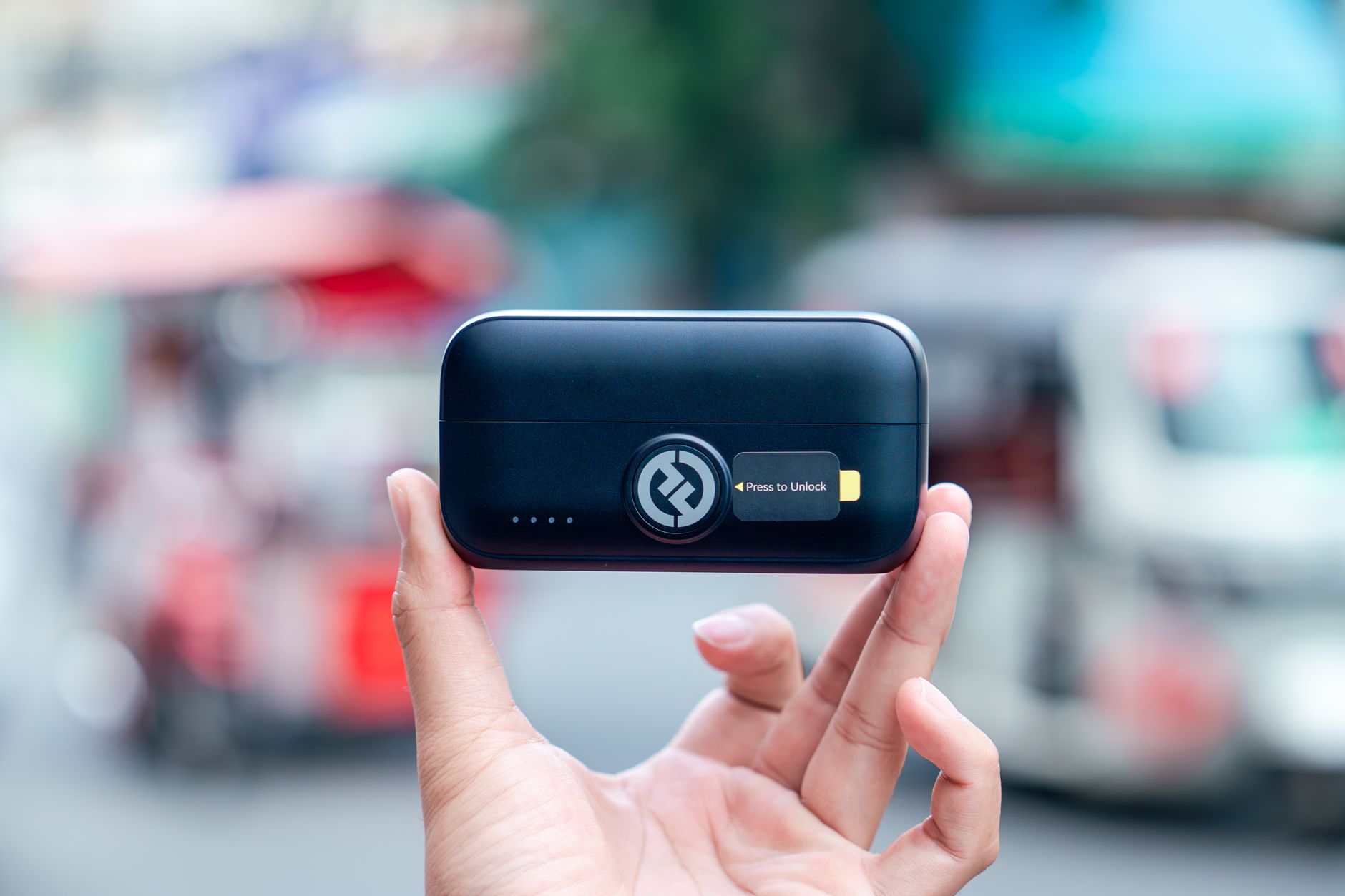
The Prime Power Bank is Anker’s flagship portable battery, aimed at travelers, remote workers, and anyone who charges a laptop, phone, and earbuds in the same sitting. It has two USB-C ports and one USB-A port. Total output tops out at 250W, and a single USB-C port can deliver up to 140W under the USB Power Delivery 3.1 standard. That is enough to run most thin-and-light laptops at full charging speed, and it can still top up a phone from the second port.
The headline feature is the built-in smart display. It shows the wattage on each port, the estimated time remaining, and the battery level, so you stop guessing whether a cable or adapter is holding you back. The Anker app adds controls and diagnostics, and some bundles pair the bank with a charging base that works as a desk dock.
The capacity is 27,650mAh, which works out to just under the 100Wh limit that most airlines apply to carry-on lithium batteries. That is a deliberate design choice. Anker packed in as much as it legally could for flights, and the size and weight follow from that decision.
It is not a pocket gadget. Think of it as a dense slab that belongs in a backpack or briefcase, closer to a small external hard drive than a lipstick-sized phone charger.
Pros
It can actually run a laptop
Many power banks advertise a high wattage that only applies under narrow conditions. The Prime’s 140W single-port ceiling matters because it covers the charger rating of most mainstream laptops, including many 14-inch and 16-inch models. A laptop that normally ships with a 65W or 100W adapter will charge at close to its normal pace, even while you work on it.
That removes the usual compromise of battery packs, which keep a laptop alive but charge it slowly. If your laptop supports USB-C charging, this bank can replace the wall adapter on a long train ride or in a cafe with no free outlets.
The display is useful, not decorative
Most power banks give you four LEDs and a vague sense of progress. The Prime shows live wattage per port, which turns troubleshooting into a glance. If your phone is charging slowly, you can see whether the bank is limiting output, whether the cable is the bottleneck, or whether the device itself is throttling.
It also makes the shared power budget visible. When you plug in a second device, you can watch the numbers redistribute instead of wondering why your laptop slowed down.
Fast recharging for its size
A big battery is only convenient if you can refill it before your next trip. The Prime accepts high-wattage input over USB-C, which shortens the overnight wait considerably compared with older large-capacity banks that crawled along at 18W or 30W. Pair it with a capable 100W charger and it becomes something you can top up during a hotel breakfast rather than a full night.
Flight-friendly capacity
Staying under the 100Wh threshold means you do not have to ask airline staff for approval or leave the bank at home. For frequent flyers, that single detail can matter more than any spec on the box.
Build and versatility
The shell feels dense and well assembled, and the port layout is sensible. Because there are three ports, a typical travel kit of laptop, phone, and a small accessory fits on one device.

Cons
It is heavy
Capacity costs mass, and there is no way around that. The Prime weighs enough that you notice it in a shoulder bag, and it is a poor fit for anyone who carries only a phone and a wallet. If your daily routine involves a phone and nothing else, you are hauling a battery much larger than you will ever drain.
The 250W figure is a shared budget
Total output is not the same as what each port can give you at once. When you connect multiple devices, the bank divides power among them, and your laptop may drop below its ideal charging rate. A single port can reach 140W, but not while two other ports demand their share. Buyers who read “250W” and picture three devices charging at full speed will be disappointed.
This is how multi-port chargers generally work, not a flaw unique to Anker. It does mean the headline number oversells what most people will see in a normal setup.
Rated capacity is not usable energy
The 27,650mAh label is measured at the voltage of the internal cells. Phones and laptops charge at higher voltages, and conversion loses some energy as heat. In practice you will get meaningfully fewer full phone charges than the raw number implies, and the gap grows when you charge a laptop at high wattage. Every power bank has this limit, but it is easy to forget when comparing numbers on a product page.
Price
This is a premium product, and it is priced like one. You are paying for the display, the high-wattage ports, and the fast input, and not everyone needs all three. Cheaper banks from Anker and competitors deliver strong phone charging for much less, and for many people they are the smarter purchase.
Heat and cable demands
Pushing high wattage generates warmth, and the bank will feel it during sustained laptop charging. More practically, reaching 140W requires a cable rated for it. A random USB-C cable from a drawer may quietly cap the speed at a fraction of what the bank can deliver, and the display will show you exactly that.
Who should buy it
The Prime makes sense for a specific person: someone who regularly works away from a desk, carries a USB-C laptop, and wants one battery to cover everything. Frequent flyers, field workers, students who live in libraries, and creators who shoot on location all fit that description.
It is a poor match for phone-only users, minimalists, and anyone whose laptop uses a proprietary barrel-style charger. Gaming laptops that draw more than the bank can supply under load will also run into the ceiling quickly.
Those with lighter needs have a better route. Smaller banks in the same family trade capacity for portability and cost less, and they are far easier to live with if a phone and earbuds are your main concern.

Verdict
The Anker Prime Power Bank is a strong product for a narrow audience. Its high-wattage output is real, the display solves a problem that other banks ignore, and the flight-friendly capacity is well judged. If you carry a laptop and a phone daily and are tired of rationing battery, it is worth the money.
For everyone else, it is more battery than you need, in a body heavier than you want. The shared power budget and the gap between rated and usable capacity also keep it from living up to the numbers on the box.
Recommendation: buy it if your bag already holds a USB-C laptop and you travel often. Skip it if a phone is the only thing you charge on the go.
One practical warning before you buy: budget for a 140W-rated cable. The most expensive power bank in your bag is only as fast as the cheapest wire connected to it.