


The home fitness revolution has evolved beyond simple treadmills and dumbbells. Today’s smart home gyms combine artificial intelligence with advanced sensors to deliver personalized coaching that adapts to your form, pace, and goals in real-time. These systems analyze your movements, track progress, and adjust workouts with the precision of a seasoned personal trainer.
1. Tonal Smart Home Gym
Tonal revolutionized strength training with electromagnetic resistance technology that replaces traditional weights entirely. The wall-mounted system uses AI-powered coaching to analyze your form, automatically adjust resistance mid-rep, and track muscle fatigue patterns. The built-in sensors detect when you’re struggling and reduce weight or when you’re cruising and increase the challenge.
The system’s AI coach, Coach Sofia, provides real-time feedback on form corrections and counts reps automatically. Tonal’s strength score algorithm tracks improvements across muscle groups and suggests optimal rest periods between sets. Professional athletes like LeBron James and Serena Williams have endorsed the system, with many citing its ability to spot weaknesses and imbalances that human trainers might miss.
2. Mirror Home Gym
The Mirror transforms any wall into an interactive fitness studio with nearly invisible technology when not in use. Its AI capabilities include heart rate monitoring through camera-based pulse detection and form analysis for yoga, strength training, and cardio workouts. The system learns your preferences and fitness level to recommend classes and modifications.
Mirror’s personal training mode uses computer vision to track body positioning during workouts, providing audio cues for posture corrections. The device integrates with popular fitness trackers and can adjust workout intensity based on sleep quality data and recovery metrics. Instructors can see your workout history and tailor live sessions to address specific muscle groups or movement patterns.
3. Peloton Guide
Peloton’s AI-powered strength training system uses a camera and advanced computer vision to analyze form during floor exercises. The Guide tracks rep counting, form quality, and muscle activation patterns while providing real-time coaching feedback. Unlike their famous bikes and treadmills, the Guide focuses exclusively on bodyweight and strength training with minimal equipment.
The system’s movement tracking technology can detect subtle form issues like hip alignment during squats or shoulder positioning during push-ups. Peloton’s AI creates customized strength programs based on your movement assessments and progress data. The Guide integrates seamlessly with existing Peloton memberships and tracks metrics across all Peloton devices.
4. FightCamp Smart Boxing Gym
FightCamp brings professional boxing training home with punch-tracking sensors and AI-powered technique analysis. The system includes smart gloves with built-in accelerometers that measure punch speed, power, and accuracy during workouts. The AI coach analyzes combinations, timing, and defensive movements to provide detailed performance feedback.
The platform’s computer vision technology tracks footwork, stance, and head movement during shadow boxing routines. FightCamp’s AI creates personalized training programs based on fitness level, boxing experience, and specific goals like weight loss or competition preparation. Professional boxer Shawn Porter collaborated on content development, ensuring authentic technique instruction and progression methods.
5. Hydrow Smart Rower
Hydrow’s electromagnetic resistance rowing machine uses AI to analyze stroke technique and provide real-time coaching on catch timing, drive power, and recovery positioning. The system’s biomechanics analysis compares your form to Olympic-level technique and suggests specific improvements for efficiency and injury prevention.
The AI coach tracks metrics like stroke rate consistency, power output curves, and split times to create adaptive training programs. Hydrow’s machine learning algorithms analyze weather conditions, water movement, and resistance patterns from real rowing environments to simulate authentic on-water experiences. The system integrates with heart rate monitors and provides recovery recommendations based on training load and performance trends.
6. Tempo Studio
Tempo Studio combines free weights with 3D motion capture technology and AI coaching for strength training. The system uses infrared sensors and computer vision to track barbell path, rep tempo, and range of motion during exercises. The AI provides form corrections, suggests weight adjustments, and ensures proper muscle activation patterns.
The platform’s smart coaching system analyzes lifting velocity and power output to recommend optimal training loads and rest periods. Tempo’s AI creates periodized strength programs that adjust intensity based on recovery status and performance metrics. The system includes safety features like automatic rep counting and form alerts that prevent injury-risk movements.
7. Echelon Smart Fitness Mirror
Echelon’s AI-powered mirror system offers variety across multiple workout formats including strength training, yoga, and high-intensity interval training. The device uses computer vision to track movement quality and provides personalized modifications based on flexibility assessments and strength capabilities. The AI coach adjusts workout difficulty in real-time based on heart rate data and perceived exertion.
The mirror’s form analysis technology provides detailed feedback on exercise execution, particularly for complex movements like Olympic lifts and yoga transitions. Echelon’s machine learning algorithms create custom workout playlists based on music preferences, workout history, and energy level indicators. The system connects with popular fitness tracking devices and nutrition apps for comprehensive health monitoring.
8. NordicTrack Vault
The NordicTrack Vault combines a full-length mirror with comprehensive storage and AI-powered personal training across strength, cardio, and flexibility workouts. The system’s computer vision technology tracks form during dumbbell exercises, resistance band workouts, and bodyweight movements. The AI coach provides real-time feedback on rep quality and suggests weight progressions based on performance data.
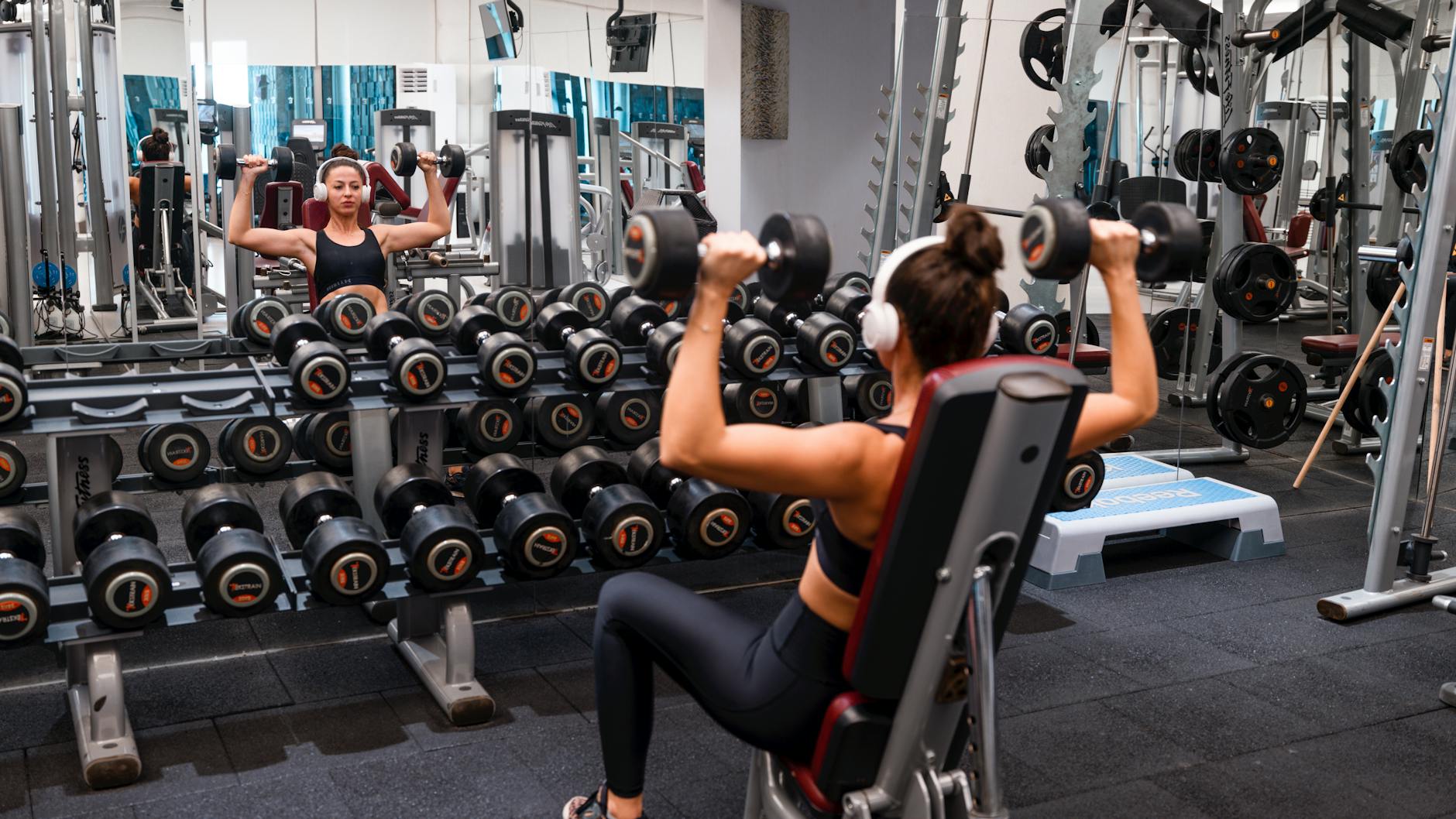
The Vault’s smart coaching system creates periodized training programs that balance strength, endurance, and recovery based on individual fitness assessments. The AI analyzes movement patterns to identify muscle imbalances and creates corrective exercise routines. The platform integrates with iFit technology, providing access to trainer-led workouts filmed in locations worldwide while maintaining personalized coaching features.
These smart home gym systems represent the cutting edge of fitness technology, combining artificial intelligence with proven exercise science. As with any health and fitness investment, consider your specific goals, available space, and budget when choosing a system. The integration capabilities with existing fitness trackers and health monitoring devices, similar to innovations in smart hydration tracking, make these systems increasingly valuable for comprehensive health management.
The future of home fitness lies in personalized, data-driven training that adapts to individual needs and circumstances. These AI-powered systems provide the foundation for sustainable fitness habits with professional-level guidance and accountability.
Frequently Asked Questions
How do AI personal trainers in smart home gyms work?
They use computer vision and sensors to analyze your form, count reps, and adjust workout intensity in real-time based on your performance data.
What’s the difference between smart home gyms and regular equipment?
Smart gyms provide personalized coaching, form correction, progress tracking, and adaptive training programs that regular equipment cannot offer.