



Remote work demands versatility, and foldable laptops with dual-screen technology are revolutionizing how professionals approach their daily tasks. These innovative devices transform from traditional laptops into expansive dual-display workstations, offering unprecedented flexibility for multitasking, presentations, and creative workflows.
The foldable laptop market has evolved rapidly, with major manufacturers pushing boundaries in display technology, battery life, and software optimization. These devices typically feature OLED panels that can bend without breaking, advanced hinge mechanisms, and specialized software that automatically adjusts screen layouts based on how you position the device.

1. ASUS ZenBook Pro 14 Flip OLED
The ASUS ZenBook Pro 14 Flip OLED leads the pack with its stunning 2.8K OLED touchscreen that delivers exceptional color accuracy and brightness. This convertible powerhouse features a secondary ASUS Dial interface that functions as both a creative control and productivity tool, making it ideal for designers and content creators working remotely.
The device runs on Intel’s latest processors with integrated graphics that handle most creative tasks smoothly. Battery life extends up to 9 hours with mixed usage, and the inclusion of multiple USB-C ports ensures compatibility with various peripherals. The keyboard remains comfortable even during extended typing sessions, while the trackpad supports multi-touch gestures for enhanced navigation.
2. Lenovo ThinkPad X1 Fold
Lenovo’s ThinkPad X1 Fold represents the first generation of true foldable laptops, featuring a 16.3-inch OLED display that folds completely in half. When opened flat, it provides an expansive canvas for spreadsheets, presentations, or side-by-side document comparison. The device can function as a traditional laptop with an on-screen keyboard or accommodate an external Bluetooth keyboard for extended typing.
The X1 Fold’s flexibility shines in video conferences, where users can position one half as a presentation screen while using the other for notes or participant views. Build quality reflects Lenovo’s enterprise focus, with a durable carbon fiber and aluminum construction that withstands daily travel demands.
3. HP Spectre x360 14
HP’s Spectre x360 14 combines premium materials with practical dual-screen functionality. The device features a primary 13.5-inch display with a secondary 12.6-inch screen that can serve as an extended desktop or dedicated application space. This configuration proves particularly valuable for remote workers who need to monitor multiple applications simultaneously.
The Spectre x360’s battery optimization allows for all-day usage without sacrificing performance. Intel Evo platform certification ensures quick wake times and responsive performance during video calls and multitasking scenarios. The included HP Tilt Pen supports 4,096 pressure levels for precise digital note-taking and sketching.
4. Dell XPS 13 2-in-1
Dell’s XPS 13 2-in-1 approaches dual-screen computing through its convertible design and innovative software solutions. While maintaining a traditional single-display format, Dell’s software creates virtual dual-screen environments that adapt to different usage modes. The InfinityEdge display maximizes screen real estate within a compact form factor.
The device excels in video conferencing scenarios with its quad-speaker setup and noise-canceling microphone array. Dell’s thermal design keeps the system cool during intensive tasks, while the premium build quality ensures longevity for traveling professionals.

5. Microsoft Surface Laptop Studio
Microsoft’s Surface Laptop Studio features a unique screen that pulls forward and folds flat over the keyboard, creating a dual-screen experience where the lower portion serves as a digital canvas or extended workspace. This design proves particularly effective for creative professionals who need to sketch, annotate, or manipulate digital content.
The device integrates seamlessly with Microsoft’s productivity suite, offering optimized experiences for Teams meetings, OneNote collaboration, and PowerPoint presentations. The precision touchpad and Surface Pen support enhance productivity for detail-oriented tasks that require fine motor control.
6. ASUS ZenBook 14X OLED
The ZenBook 14X OLED incorporates ASUS’s ScreenPad technology, featuring a primary 14-inch OLED display paired with a 5.65-inch secondary touchscreen above the keyboard. This configuration allows users to run dedicated applications on the smaller screen while maintaining focus on primary tasks above.
Remote workers benefit from the ScreenPad’s ability to display system information, communication apps, or productivity tools without interrupting main screen workflows. The OLED technology delivers deep blacks and vibrant colors that reduce eye strain during long working sessions.
7. Lenovo Yoga Book 9i
Lenovo’s Yoga Book 9i features dual 13.3-inch OLED displays in a clamshell design, eliminating the physical keyboard entirely in favor of touchscreen versatility. Users can configure the screens for various workflows: laptop mode with a virtual keyboard, book mode for reading and note-taking, or tent mode for presentations and collaboration.
The device includes Lenovo’s Folio Stand and Bluetooth keyboard for users who prefer traditional typing experiences. Software optimization automatically adjusts screen layouts based on orientation and attached accessories, making transitions between work modes seamless.
8. Samsung Galaxy Book Flex2
Samsung’s Galaxy Book Flex2 rounds out the list with its QLED dual-display approach and S Pen integration. The device features a primary 13.3-inch touchscreen with a secondary display integrated into the touchpad area, allowing for extended desktop space and creative input options.
The Galaxy Book’s integration with Samsung’s ecosystem proves valuable for users already invested in Galaxy smartphones and tablets. Features like Quick Share and Samsung DeX extend productivity beyond the laptop itself, creating a comprehensive remote work solution. For professionals seeking a complete mobile office setup, pairing this device with quality USB-C hubs ensures comprehensive connectivity options.
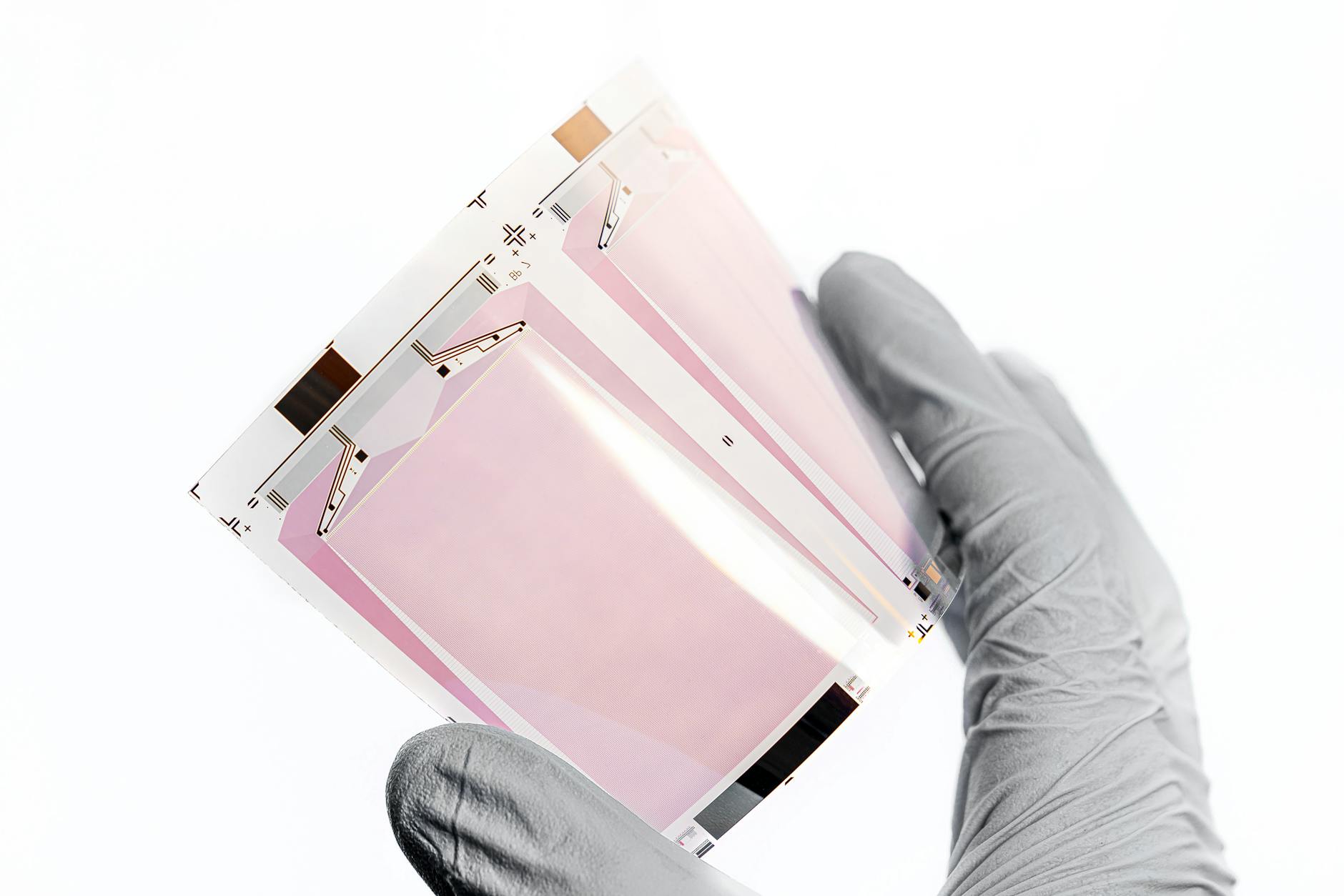
The foldable laptop market continues evolving as manufacturers refine display technology, improve battery efficiency, and develop software that truly leverages dual-screen capabilities. These devices represent the future of mobile computing, where adaptability and screen real estate converge to meet the diverse demands of remote work environments.
Early adoption considerations include software compatibility, long-term display durability, and the learning curve associated with new interaction paradigms. However, for professionals who prioritize flexibility and screen space over traditional laptop constraints, these innovative devices offer compelling advantages that justify their premium positioning in the market.
Frequently Asked Questions
Are foldable laptops reliable for daily remote work use?
Modern foldable laptops feature durable OLED displays and enterprise-grade build quality suitable for daily professional use, though they require careful handling.
How long do foldable laptop screens typically last?
Most manufacturers rate their foldable OLED displays for 200,000+ fold cycles, equivalent to several years of normal usage patterns.